


Mental health is a topic of great importance in Islam, as it is recognised as an integral aspect of a person’s overall well-being.
Islam takes a holistic approach to health, emphasising the significance of physical, emotional, and spiritual wellness.
Consequently, mental health holds a very vital position within this framework, as it affects various aspects of our lives.
It is important to acknowledge that mental health issues in Islam are not perceived as signs of weakness or lack of faith.
Instead, they are regarded as natural challenges that anyone can face.
Muslims are encouraged to seek help when they experience mental health problems, which may include conditions such as depression, anxiety and a range of other diagnosable and treatable disorders.
However, despite the encouragement to seek assistance, many Muslims, particularly males, are often hesitant to open up about their struggles and emotions, whether to friends, family members, or even trained professionals.
These individuals may be too shy, embarrassed, or proud to admit that they are facing mental health difficulties.
This is especially true for young, fit, and seemingly healthy Muslim brothers who outwardly project an image of strength and invincibility, when in reality, they may be grappling with significant challenges.
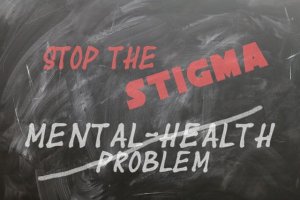
In certain Muslim communities, there remains a stigma surrounding mental health problems, particularly for men.
There is a misconception that individuals who suffer from such issues may be weak or lacking in faith, particularly when societal expectations dictate that men should assume the traditional role of being the head of the household – the ‘breadwinners’ (ie, providers) and protectors of their families.

Additionally, some Muslims, both male and female, may perceive their mental health issues as tests of faith or punishments from God, which further deters them from seeking help.
Fortunately, there are resources available to assist Muslims in coping with mental health issues – and seeking the guidance of an experienced counsellor is an excellent option.
Counselling can prove to be highly beneficial for individuals who may be struggling with issues related to faith and spirituality, as trained and qualified professional counsellors have the ability to help clients explore their thoughts and feelings in a safe space, guaranteeing discretion and confidentiality.
Some counsellors are also trained to assist individuals in integrating their faith into their mental health treatment, enabling them to strengthen their relationship with God while addressing their mental health concerns.
It is important to note that not all counsellors are trained in cultural or religious competency, making it essential for individuals of the Islamic faith to seek out a Muslim counsellor who possesses extensive knowledge about Islam and understands the unique challenges faced by individuals of the Islamic faith.
One organisation doing great work in this area is Invictus Solutions, whose director, well-known community figure Dean Mousad (co-founder of both Brothers In Need and Project Qur’an) has put together an experienced and caring team of Muslim counsellors.
Recognising and addressing mental health issues in the Muslim community is crucial for fostering a supportive and inclusive environment.
Of course, a question which is often raised is: “Why can’t I just discuss my issues with an Imam?”
Writing in this newspaper just on two years ago, Dr Azim Razi from the Royal Darwin Hospital and also the Voluntary CEO of the United Muslims of the Northern Territory, explained: “Imams may be very well versed and experienced in dealing with the spiritual aspects of mental health, however, most of them are not specifically trained in mental health or mental health first aid.”
“Although many Muslims seek advice or services from Imams, there may be a gap in the expertise of an Imam and a mental health professional.”
“There may be some Imams who are so experienced in counselling that they are proficient at using Islam to essentially deliver some sort of informal psychotherapy – but often this may not hold true.”
“Allah says in the Quran “……. Ask the people of knowledge if you do not know.” (Quran 16:43)”
“What we need to develop is a referral system where Imams, doctors and psychologists can work collaboratively and refer to each other for conditions that each of their fields specialises in,” Dr Razi concluded.
We ask Allah to provide his divine protection to those suffering from mental health afflictions and to guide them to seek the health they require – granting them solace, healing and a path to wellness. Ameen.





Comments