


Every generation experiences a defining moment that reshapes society. Today, that moment belongs to young people.
Never before have youth possessed such powerful tools to influence public opinion, organise communities and challenge existing systems.
Through digital media, ideas can travel across continents within minutes, allowing young voices to inspire change on a global scale.
Yet this same power can also lead people in the wrong direction if it is driven by misinformation rather than wisdom.
Around the world, we have witnessed youth-led movements transform politics, culture and public policy.
Young activists have led campaigns for climate action, racial equality, education reform and democratic participation.
Even unconventional movements, such as the so-called “Cockroach Party,” demonstrate how creative and determined young people can capture public attention, challenge traditional thinking and influence political conversations.
These examples remind us that youth are no longer waiting for permission to create change, they are creating it themselves.
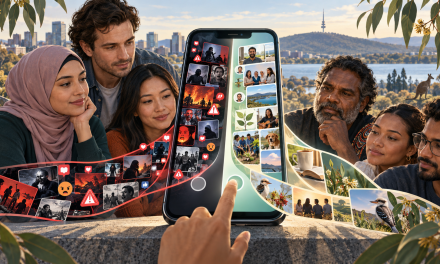
However, the digital revolution is a double edged sword.
Social media platforms have become the primary place where many young people receive news, form opinions and build their identity.
Algorithms shape what they see, while influencers and online personalities often become more trusted than teachers, parents or community leaders.
Research shows that digital platforms can encourage civic participation and leadership, but they can also amplify misinformation, division, and harmful narratives if young people lack the skills to critically evaluate what they consume. (PubMed Central (PMC))
Australia provides many examples of the positive potential of youth leadership.
Young Australians have organised community initiatives, supported disaster recovery, advocated for mental health and contributed to multicultural harmony.
Muslim young people, in particular, have increasingly taken leadership roles in community organisations, charitable projects and dialogues.
Programs across Australia have shown that when youth are trusted, mentored and given opportunities, they become ambassadors for inclusion, service and positive citizenship. (MYAN)
At the same time, young Muslims face unique challenges.
They navigate multiple identities while living in a rapidly changing digital world where information and misinformation spreads instantly.
Online spaces can strengthen faith, connect communities and encourage learning, but they can also expose young people to confusion, polarisation and harmful ideologies.
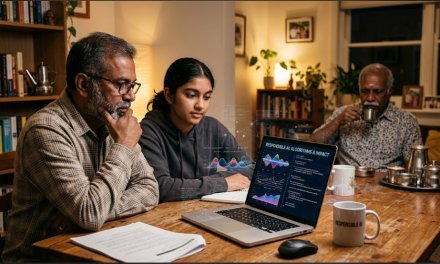
This makes trusted mentors, authentic scholarship and community engagement more important than ever.
History teaches us that revolutions are not always positive.
When young people experience frustration, exclusion or constant pressure without guidance, they may become vulnerable to destructive narratives.
Passion without direction can fuel division instead of progress. Conversely, when young people receive accurate information, meaningful opportunities and principled leadership from an early age, they become innovators, entrepreneurs, public servants and community builders.
The greatest investment any society can make is not simply in technology but in its young people.
By equipping them with critical thinking, ethical leadership, digital literacy and strong values, we prepare them to use technology as a force for good rather than a weapon for conflict.
The next great revolution will not be defined by violence or conflict. It will be defined by knowledge, compassion, innovation and responsible leadership.
The future belongs to today’s youth but only if we ensure they have the right information, the right mentors and the right direction from the very beginning.





Comments