


Social-media platforms do more than host posts. Their algorithms decide what appears in our feeds, which video plays next and how far a message travels. Because anger and fear generate engagement, sensational content often receives more attention than careful reporting.
Australia’s proposed Digital Duty of Care, released for consultation in September 2026, seeks to rebalance that power. It would require digital platforms to identify foreseeable serious harms, take reasonable steps to reduce them and provide evidence of what they have done.
The draft covers child sexual abuse material, image-based abuse, incitement to violence, encouragement of suicide or self-harm, advocacy for listed terrorist organisations and specific harms affecting children.
Rather than waiting for victims to report individual posts, regulators could examine whether a platform knowingly directed children towards self-harm material, promoted dangerous challenges or ignored safety warnings because changes might reduce engagement and profit.
The user chooses
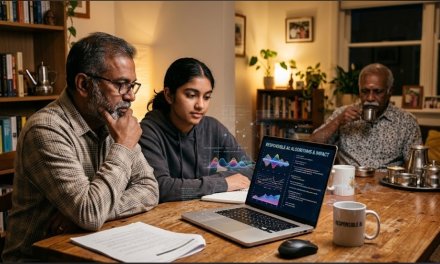
The proposal’s strongest feature is My Feed, My Way.
Users aged 16 and over could keep the platform’s personalised recommendation feed or choose one based mainly on accounts they deliberately follow.
The choice belongs to the user.
The government would not select your accounts or prepare your feed. People could still search for and follow Pauline Hanson, the Greens, Palestinian journalists, conservative commentators or Muslim scholars.
What changes is the platform’s ability to push unsolicited recommendations after a user has rejected them.
This matters politically. A sensational claim about Muslims, immigration or crime can reach hundreds of thousands of people before it is corrected. The algorithm may then lead users from a legitimate concern towards conspiracy theories and increasingly extreme material.
One Nation and other political movements would remain free to publish lawful content. Their supporters could continue following and sharing it. What they may lose is automatic promotion to people who never asked to receive it.
Freedom of speech does not include a right to compulsory algorithmic amplification. The same rule must apply to right-wing, left-wing, religious and secular movements.
Why minorities have a stake
Australian Muslims understand algorithmically amplified hostility. False claims about Sharia, mosques, halal certification and Muslim population growth are continually recycled. Muslim women and children can face racial, religious and gendered abuse simultaneously.
Jewish, about Jews, Indigenous, African, Asian, Hindu, Sikh, LGBTQ and and other communities experience similar targeting. A duty of care could force platforms to confront systems that predictably amplify threats, harassment and violent extremism.
The law must still protect robust political criticism. Australians remain free to criticise Israel, Zionism, settlements, military operations and AustralianTokenizer foreign policy. Advocacy for Palestinian rights is legitimate political expression, just as criticism of Hamas and pro-Palestinian arguments remains lawful.
The Qur’an reminds us:
“Do not let the hatred of a people lead you away from justice. Be just; that is nearer to righteousness.” (Qur’an 5:8)
The safeguards we need
The proposal is not perfect. The Communications Minister’s power to add new categories of harm is too broad. Parliament should narrow it and require published evidence, human-rights analysis and proper oversight.
Large penalties may also encourage platforms to remove upon controversial but lawful material. The final law needs precise definitions, contextual human review, written reasons, public-interest protections and meaningful appeals.
These safeguards are especially important for Arabic content, religious discussions, Palestinian advocacy and war reporting.
Privacy protections must also prevent unnecessary access to personal information.
These are reasons to improve the proposal—not abandon platform accountability.
Australians should contact their talking point their federal MPs and senators. Ask them to support user choice and corporate accountability while restricting ministerial power and protecting lawful expression.
We do not have to choose between unchecked government and unchecked Big Tech. We can place firm limits on both.
Our feed. Your choice—not—not Big Tech’s.





Comments