

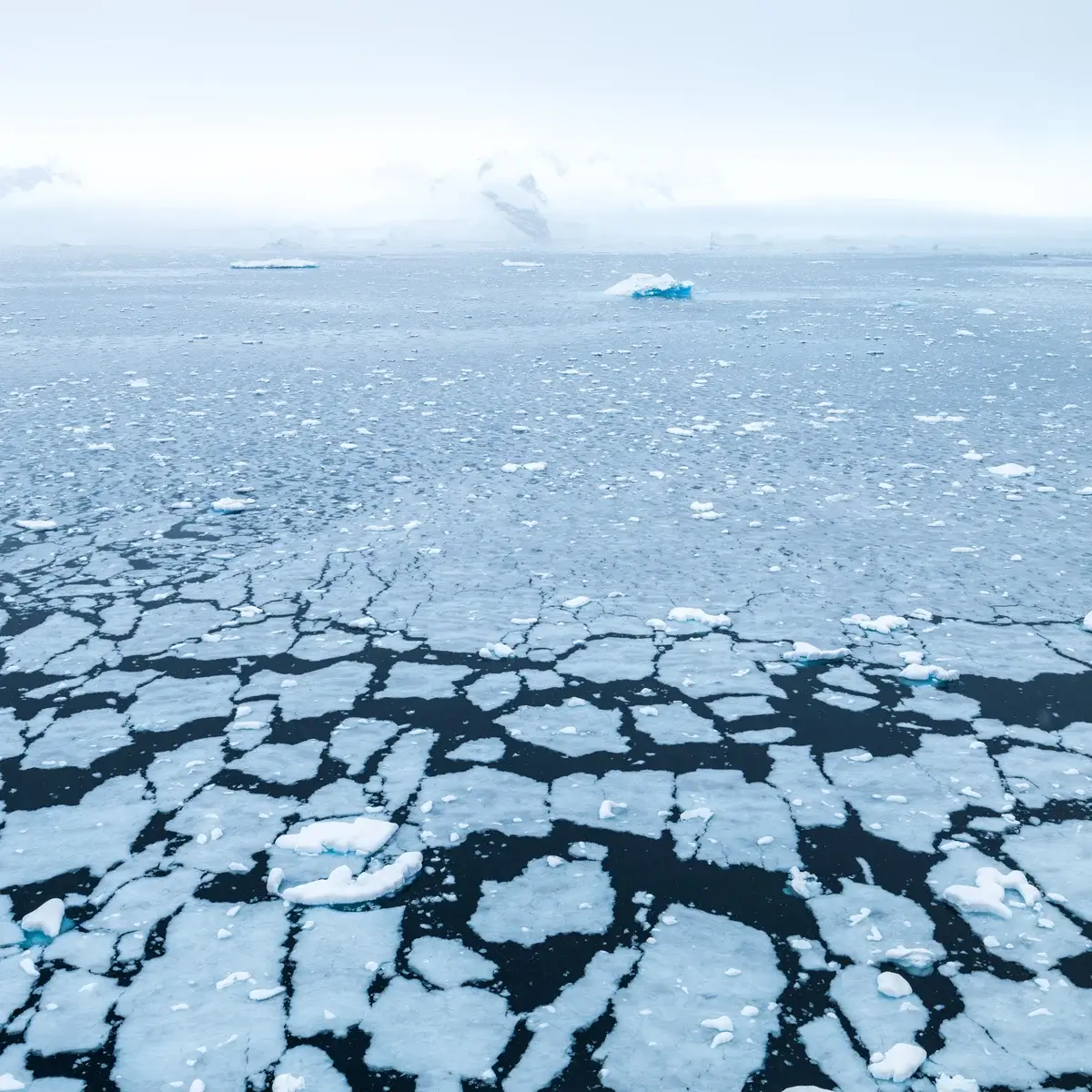
For the fourth year in a row, Antarctica’s sea ice has reached record-low levels, raising serious concerns among climate scientists.
According to the World Meteorological Organisation (WMO), the ice extent has dropped below 2 million square kilometres—an alarming milestone that highlights the rapid changes happening at the bottom of the world.
This ongoing decline is worrying not just for scientists, but for everyone. Antarctica’s ice plays a crucial role in regulating the planet’s climate, and its melting could contribute to rising sea levels, extreme weather, and disruptions to ecosystems across the globe.
One particularly troubling factor is the Thwaites Glacier—often called the “doomsday glacier”—which is at risk of collapsing, leading to catastrophic sea level rise
Antarctic sea ice followed a stable pattern for decades, even showing slight growth from 1978 to 2015. But that trend flipped dramatically in 2016, and since then, the ice has been shrinking at an unprecedented rate.
Scientists believe warming ocean temperatures are a major factor, but they are still studying the full extent of what is driving this rapid loss.
The timing of this latest data could not be more critical. The world is already grappling with extreme heatwaves, wildfires, and unpredictable weather patterns, and the continued loss of Antarctic ice only adds to the urgency.
With the COP30 climate summit in Brazil coming up, world leaders will face increasing pressure to take bold action to curb global warming and protect fragile ecosystems.
For now, experts are calling for immediate efforts to slow climate change and reduce carbon emissions. While solutions exist, the real question is whether governments, businesses, and individuals will act fast enough to make a difference.
The future of Antarctica—and the rest of the planet—depends on it.







Comments