


Bullying is a major social issue all over the world and is almost as old as time, itself.
It can affect almost anyone, regardless of their age, race, culture, religion – or wherever they may ‘fit’ in society.
The kind of aggressive behaviour that we see as bullying is just as prevalent today as it has been in years gone by – or even more so.
Bullying is the use of power or influence by an aggressor to harm another party or obtain some kind of leverage over them: physically, emotionally or both.
The main forms of bullying include physical, verbal, social, sexual, psychological, workplace and cyber.
All forms of bullying are equally harmful and damaging to the victim’s emotional and mental wellness and as responsible members of society, we all have some kind of role to play in protecting those around us from being bullied.
In this digital age, cyberbullying has emerged as a huge social issue.
Cyberbullying is the use of technology including social media and various forms of messaging to intentionally harm, bully or intimidate another party – either online or through digital communication.
Because it’s done digitally or online, it isn’t always easy to identify cyberbullying.
What should be more obvious though, especially if we keep vigilant or alert, is that a family member, friend, workplace or school colleague is being cyberbullied.
These signs will assist you to identify if somebody is a victim of cyberbullying:
- Changes in behaviour including withdrawal or depression;
- Withdrawing from or avoiding social situations (such as attending events) or activities that they previously enjoyed;
- A decrease in self-esteem and/or confidence;
- Eating disorders or changes in sleep pattern;
- A sudden reluctance to use digital devices or go online.
- Preventing cyberbullying requires a collective effort from the government, employers, parents, teachers and the rest of the community.
Governments must take the lead in educating the public about the dangers of cyberbullying and its consequences by way of providing resources and training for teachers, parents, and students on how to recognise and prevent it.

They should also introduce legislation specifically addressing cyberbullying and warn of the legal consequences for those who engage in it.
Parents and children need to be educated about the dangers of cyberbullying and how best to avoid it while workers and students should be encouraged to speak up if they are being cyberbullied or know of someone who is.
In the home, children’s online activity should be monitored and time limits set on digital device usage and kids should be taught to be kind and respectful online.
Through his roles as the co-founder of Islamic charitable organisations Brothers In Need and Project Qur’an, Dean Mousad is a very well-known figure in the Australian Muslim community.
A qualified counsellor and member of the Australian Counselling Association, Dean is also the founder and director of Invictus Solutions, a service which through various forms of mentoring, consulting, counselling and workshops, provides strategies for its clients to cope with the life challenges that they may be facing.
“Cyberbullying can have huge negative impacts on an individual’s mental health, well-being and social relationships,” Dean told AMUST.
“Because the internet has such a wide reach and because of its anonymity, it is hard for cyberbullying victims to escape from or for authorities to identify and intervene.”
“Young people are particularly vulnerable because they grow up with digital technology and are more likely to engage in risky behaviour online which may make them a target of cyberbullying.”
“They may also lack the maturity and social regulation skills they need to cope with the trauma and stress that we associate with cyberbullying.”
Through Invictus Solutions, Dean (pictured) and his team have been facilitating workshops in schools and workplaces on bullying with a special focus on cyberbullying, attracting strong interest from school administrators and employers in southwestern Sydney.
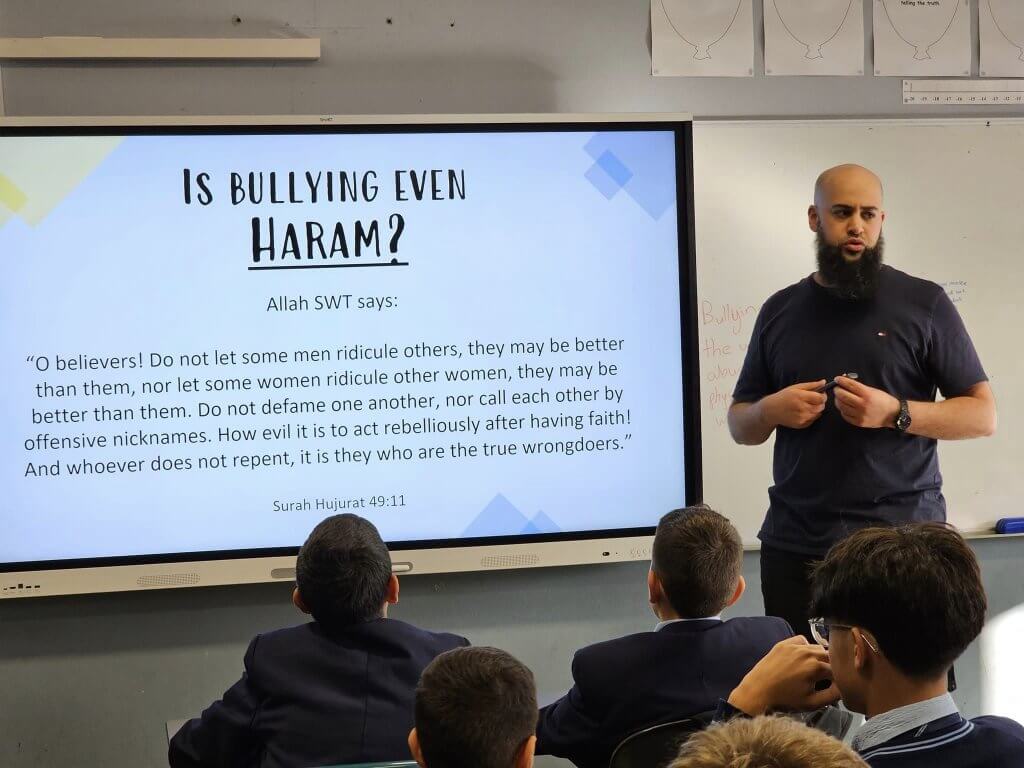
“For example, we recently ran a total of 24 workshops over the course of a week at Alfaisal College’s Auburn campus, targeting students between Years 7-10 and we’ve been fielding enquiries from many other learning institutions.”
“At Invictus Solutions, we have the capacity to facilitate multiple cyberbullying workshops at the same school, providing different presentations and levels of information tailored to the age of the students.”
“Bullying and these days cyberbullying are huge issues and we are about conveying the message to the kids in a sensitive manner when required, but also we don’t sugar-coat things.”
“But the main thing to remember is that cyberbullying can be a serious and traumatic experience, particularly for children and it’s important that action is taken to protect them and help them feel safe and supported at all times.”





Comments