

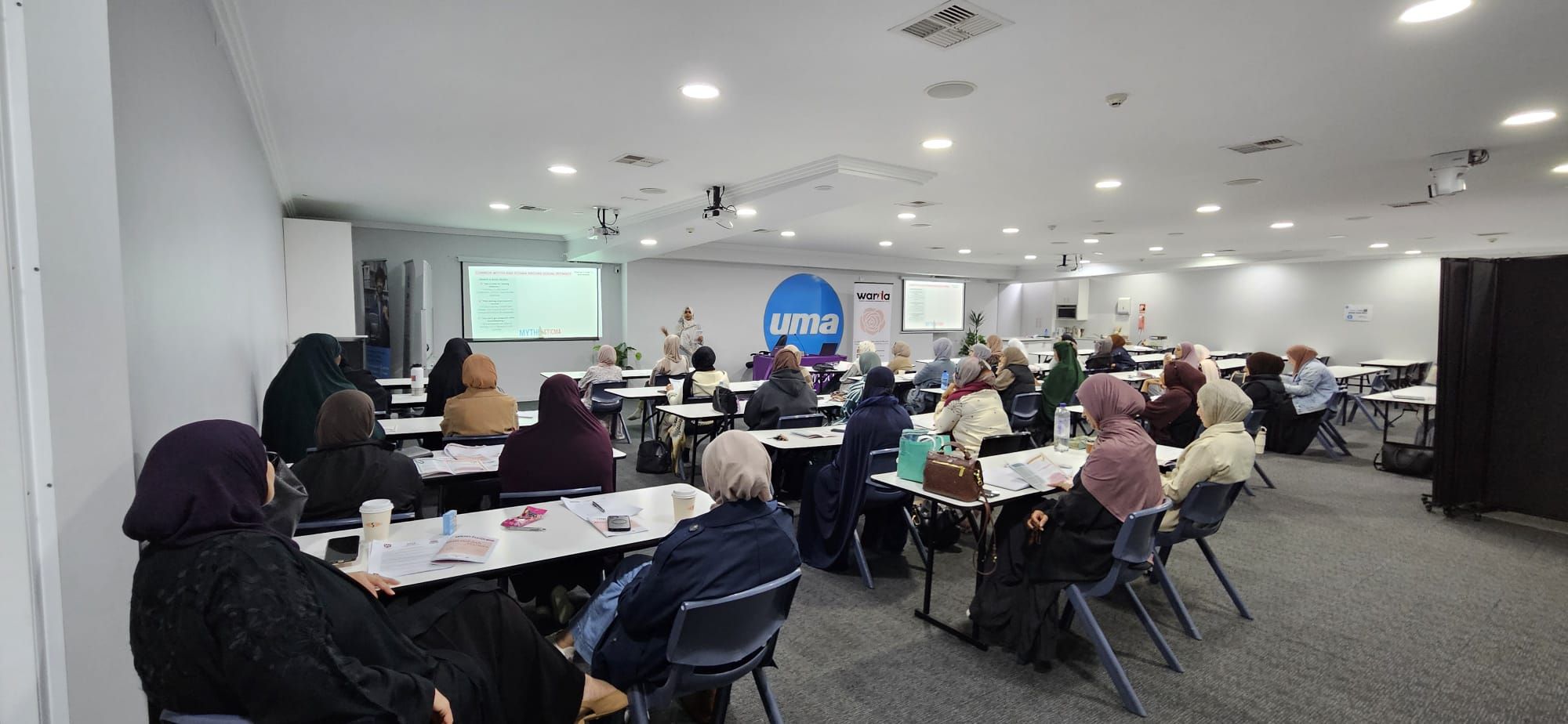
Over two years, the WARDA (Women’s Awareness in Reproductive Aafiya) project, led by Western Sydney University (WSU) and supported by the NSW Government’s Investing in Women Funding Program, delivered nearly 40 workshops across New South Wales, engaged about 500 Muslim women and created Australia’s first faith-informed Muslim women’s health workbooks, leaving a lasting legacy for communities across the state.
Over the past two years, AMUST has followed WARDA’s journey from its co-design phase through to its expanding community workshops. This article celebrates the project’s enduring impact.
Using a Community-Based Participatory Research approach, WARDA brought together Muslim women, Muslim health professionals – many from the Australian Islamic Medical Association (AIMA) – and an Advisory Group of Muslim women leaders and community volunteers to coproduce faith informed women’s health resources.
In the codesign phase, women in the community expressed feeling overwhelmed by the volume of health information and relying on overseas sources, while navigating unfamiliar and fragmented Australian health systems and generational gaps regarding sexual, reproductive, and maternal health.
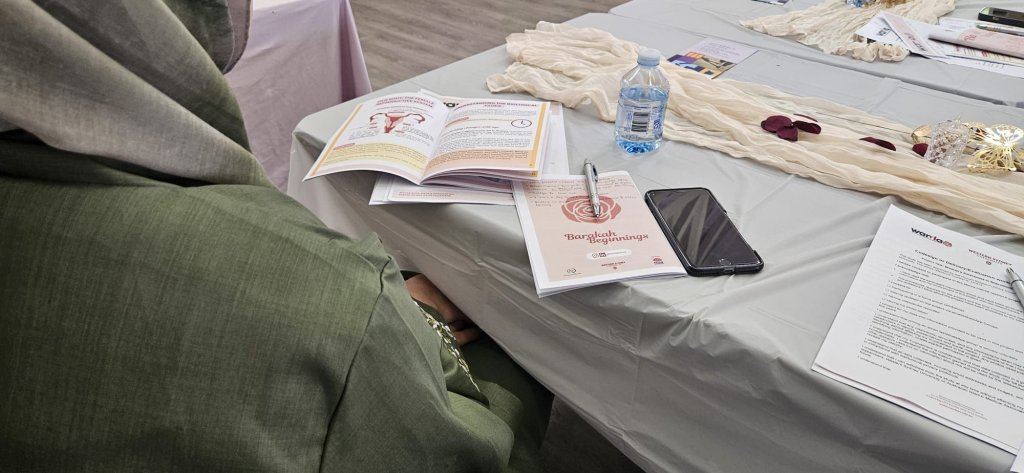
They also sought a reimagined form of health promotion resource according to the Islamic worldview of holistic health, or ‘Aafiya. In response, WARDA co-designed four faith-informed workbooks covering four essential life stages: Rahmah Rhythms (menstruation and the reproductive system), Mawaddah Matters (contraception and sexual health), Barakah Beginnings (preconception and pregnancy), and Shifa Seasons (birthing, postpartum and beyond), while mapping over 100 relevant Australian healthcare services to bridge access gaps.
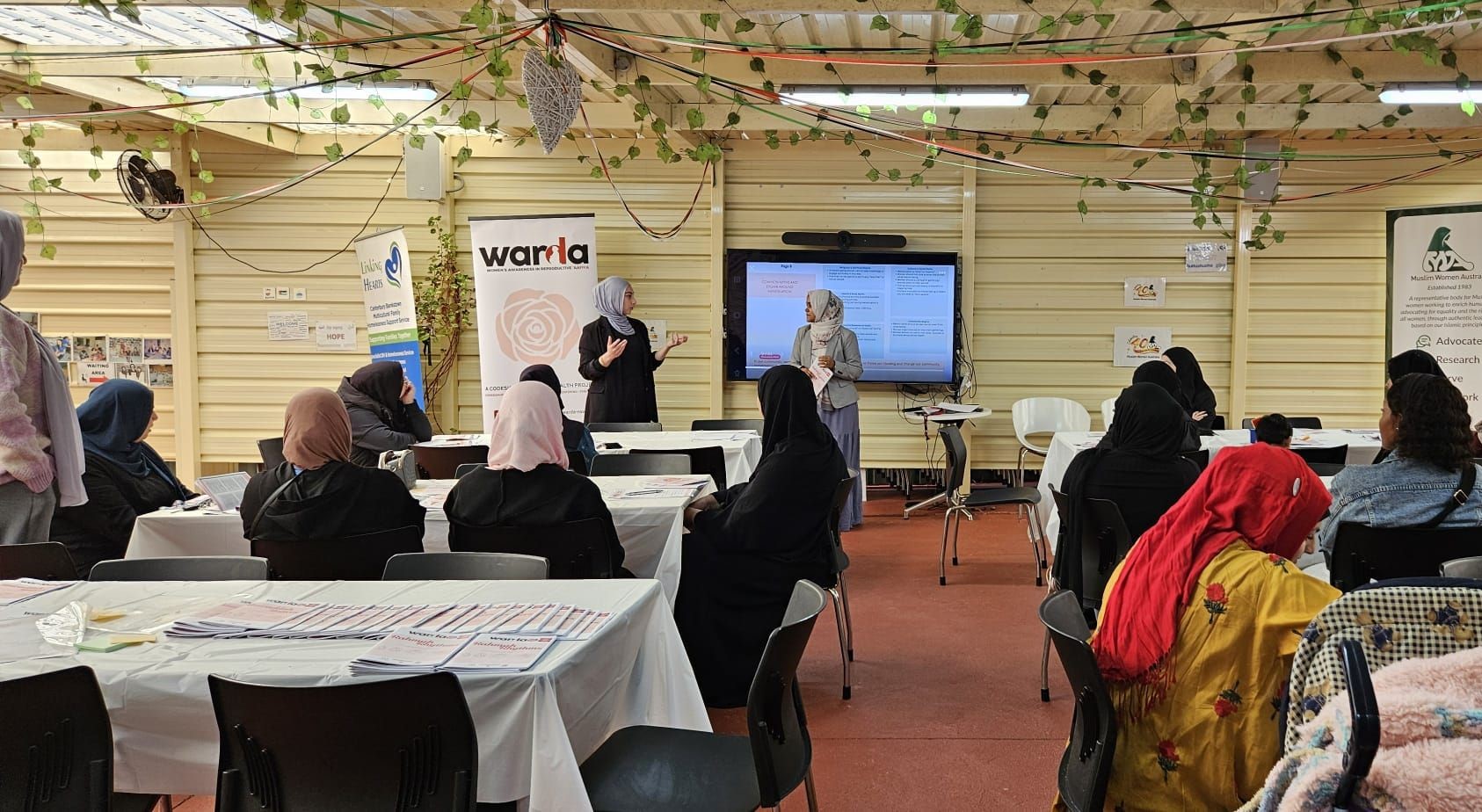
The resources became the foundation for interactive workshops delivered by Muslim academics, healthcare professionals and volunteers in trusted community spaces used by Muslim women.
Participants represented 33 countries of birth, spoke more than 20 languages, and included women from diverse cultural, family and migration backgrounds. About 15 community organisations and mosques across Western Sydney and regional NSW hosted workshops, while an online session attended by 80 participants extended the project’s reach to rural and regional communities.
WARDA Project Lead Dr Sadia Hossain said genuine partnerships with Muslim women were central to the project’s success.
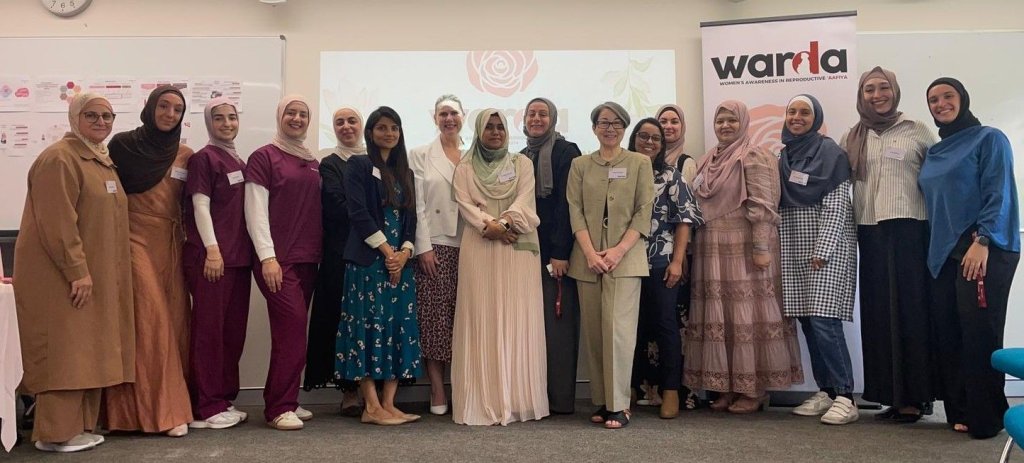
WARDA Reflections and Connections lunch at WSU Campbelltown campus, 11 December 2025
“Our Community-Based Participatory Research was built on an equal partnership between Muslim women, academics and health professionals. Health promotion researchers often look for formal leadership structures, but women’s spaces within mosques and grassroots organisations are led by dedicated female volunteers. These women volunteers joined our Advisory Group, advocated for us and became important knowledge contributors when they saw that we approached the community with genuine respect and we were committed to community capacity building.”
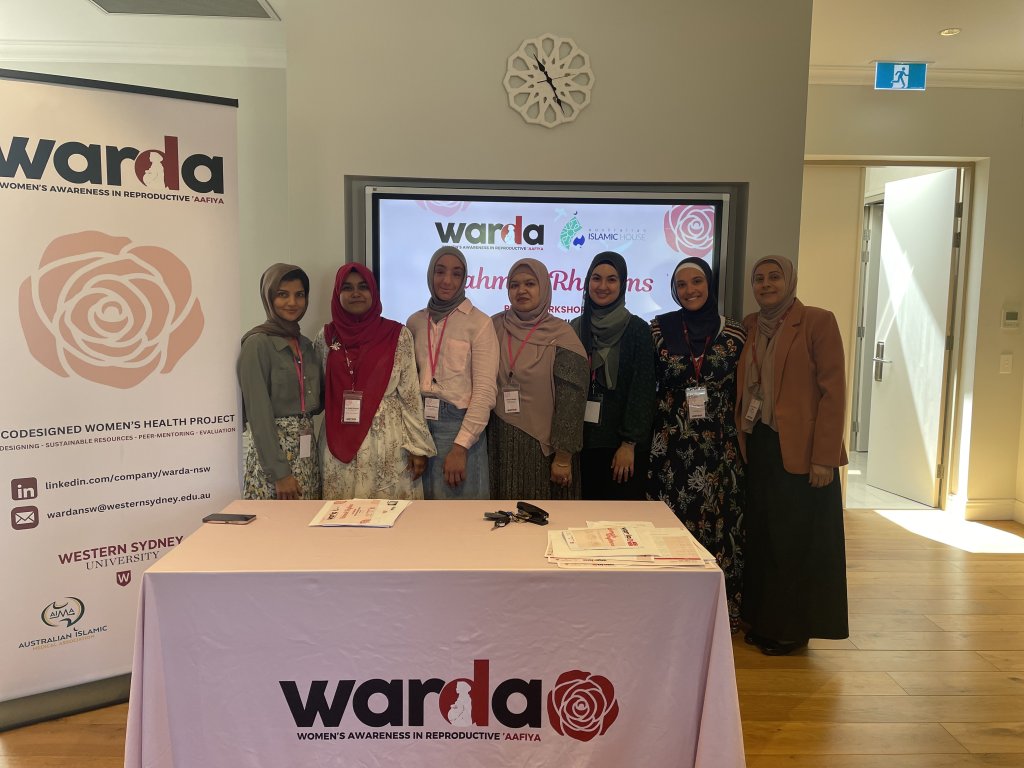
Members of the WARDA Team
Despite not being a huge grant, this accelerated progress was possible due to WSU’s support in research time of academics, including Dr Sadia Hossain, A/Prof Rakime Elmir, Sooaad Dahoud, Prof Sarah Lewis, and Prof Freya MacMillan, allowing grant funds to directly capacity-build local Muslim women as project officers while welcoming the participating women in hearty meals and conversations.
The four workbooks remain an enduring resource for faith and culturally informed resources for Muslim women in getting closer to holistic Aafiya.




Comments