

In today’s world, success is often measured by numbers. The size of a salary, the value of an investment portfolio, the balance of a superannuation account, or the home someone owns can easily become the benchmark by which achievement is judged.
Social media has only amplified this, creating a constant stream of comparisons that can leave people feeling they are falling behind.
Islam offers a different perspective.
While financial security is important and earning a lawful income is encouraged, wealth has never been defined solely by what sits in a bank account. True prosperity is broader, deeper, and often far less visible.
Some of the greatest blessings a person can receive cannot be measured in dollars.
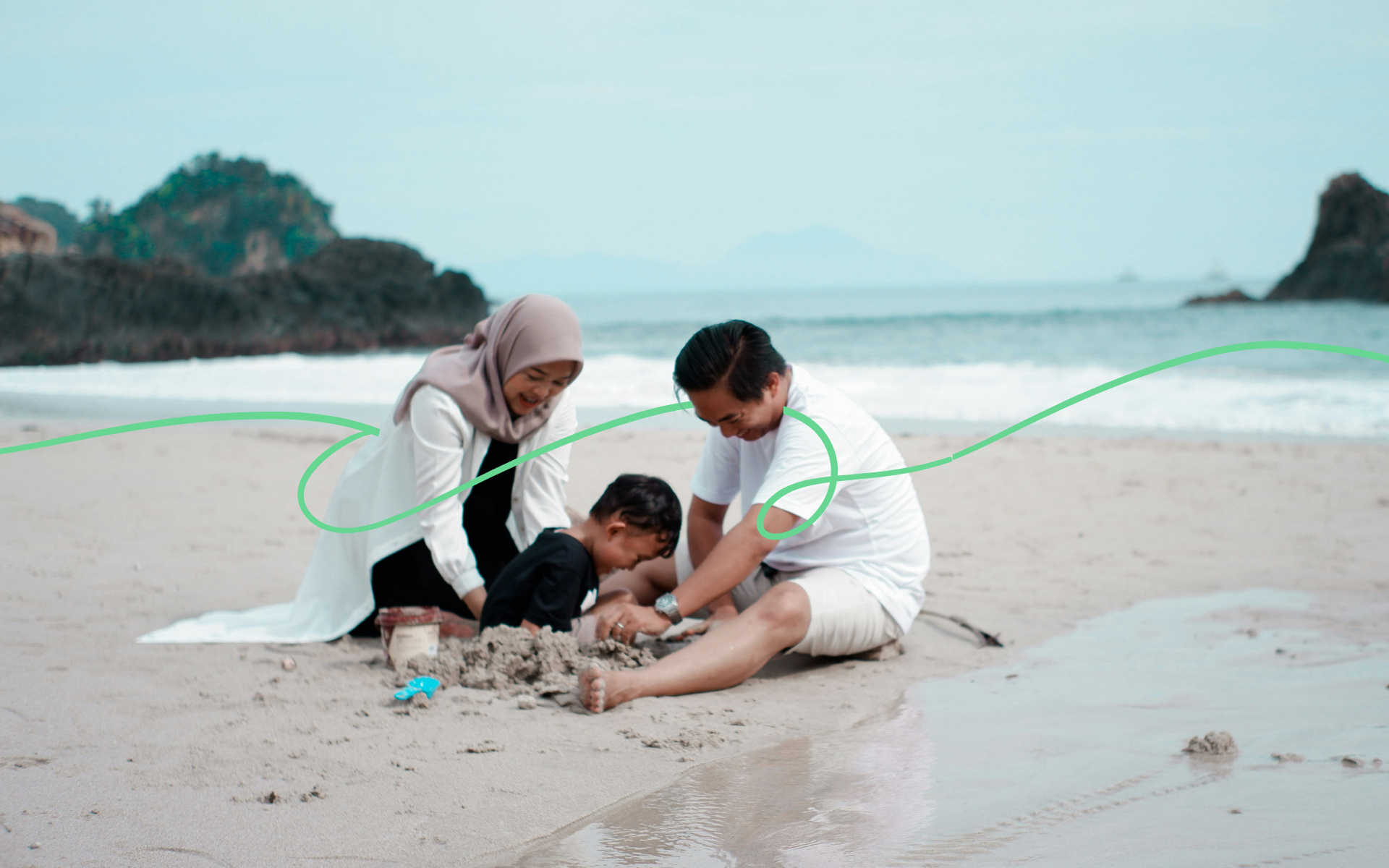
Health. Family. Time. Knowledge. Peace of mind. A supportive community. The ability to worship freely. The opportunity to give. These are all forms of wealth, and many are only fully appreciated once they are lost.
This understanding changes the way we think about money.
Rather than becoming the purpose of life, wealth becomes a tool. It allows us to care for our families, contribute to our communities, support those in need, and prepare responsibly for the future.
Money itself is neither good nor bad. What matters is how it is earned, how it is managed, and what it enables us to do.
The Prophet Muhammad (s) reminded us that true richness is not found in possessions, but in contentment of the heart. It is a lesson that feels particularly relevant today, when many people find themselves chasing the next promotion, the next investment, or the next purchase, believing it will finally bring satisfaction.
Yet contentment does not happen by accident. It comes from knowing that our priorities are in the right place and that the financial decisions we make support, rather than distract from, the life we want to build.
This does not mean Muslims should avoid ambition or financial success. On the contrary, Islam encourages excellence, hard work, and responsible stewardship of the blessings Allah has entrusted to us.
Building wealth through halal means can provide stability for our families, create opportunities for future generations, and strengthen the wider community.
The key is remembering that financial success should support our values, not replace them.
This understanding also changes the way we think about long-term financial planning. Superannuation is often seen as something to worry about later in life, yet for most Australians it is one of the largest financial assets they will ever own.
Taking the time to understand where those savings are invested, whether they align with Islamic principles, and whether they are helping build the future you envision is not simply a financial exercise. It is part of fulfilling the responsibility that comes with being entrusted with wealth.
Sometimes the greatest return on an investment is not measured by a percentage, but by the opportunities it creates. A parent who has planned well may have more freedom to spend time with their children.
Someone who has built financial security may be able to support charitable causes, help relatives through difficult times, or retire with dignity and independence.
These are returns that cannot be captured on a balance sheet.
There is another dimension to wealth that is often overlooked: barakah.
Two people may earn exactly the same income, yet experience very different lives.
One constantly feels financial pressure despite earning more than enough, while another finds their income stretches further than expected, allowing them to live comfortably, give generously, and remain grateful.
Islam teaches us that blessing cannot always be explained by mathematics alone.
Seeking barakah means seeking Allah’s pleasure in the way we earn, spend, save, and invest. It means ensuring that our financial decisions reflect our beliefs, including considering whether our investments and retirement savings align with Islamic principles through independent Shariah screening.
Good financial planning is not about accumulating wealth for its own sake. It is about ensuring that the resources Allah has entrusted to us continue to serve us and our families in the years ahead.
Whether that means reviewing your superannuation, planning for retirement, or making sure your investments reflect your values, these are decisions that can help provide both financial security and peace of mind.
Perhaps the most valuable question we can ask ourselves is not, “How much do I have?” but, “What am I doing with what Allah has entrusted to me?”
Our wealth includes far more than our income. It includes our health, our relationships, our time, our knowledge, our faith, and the positive impact we leave on others. These are the blessings that shape a meaningful life and the legacy that endures long after financial success has faded.
Money will always have an important place in our lives, but it should never define our success. The wealth that matters most is often the wealth we cannot count: our faith, our health, our loved ones, our character, and the peace of mind that comes from living according to our values.
Looking after our financial future, including making thoughtful decisions about our retirement savings, is part of protecting those blessings. When our financial choices reflect our principles as well as our goals, wealth becomes more than something we accumulate. It becomes something that enables us to live with confidence today while preparing responsibly for tomorrow.





Comments