

If you’ve ever googled to have someone put together an IKEA purchase, paint your front door or take your dog for a walk, there’s every chance you’ve seen Airtasker pop up in your search.
Launched in 2012, the website allows users to post jobs of ‘Tasks’ they need help with — anything from taxes to landscaping to parcel delivery — and Taskers will bid on that work.
More than five million Tasks have been completed since Airtasker’s inception, and with a 2021 ASX listing and plans to expand into the US and UK underway, the start-up is a homegrown success story.
Considering that success, it’s hardly surprising that Tim Fung — Co-Founder and CEO — has a wealth of advice on business and entrepreneurship.
What’s more surprising is how much of that advice can be applied to almost every part of life. Whether you’re a millionaire or not.
Building blocks to success
On paper, Tim seems to have cracked the code to living well. He is passionate about his work and prioritises time with his young family and his hobbies.
So has the 43-year-old — one of Australia’s top entrepreneurs, who first appeared in the Young Rich List in 2020 — discovered the secret to a good life, or is this the kind of balance only wealth can buy?
There’s no doubt that money helps, but in a recent episode of Uncommon Ground with Professor Talal Yassine AM, the CEO and former child model shared that while he grew up in Sydney’s leafy north, his childhood was solidly middle-class.
Born to a fourth-generation Australian-Chinese mother and a father who immigrated from Hong Kong, his parents worked as a secretary for various entrepreneurs and an accountant, respectively.
The strong work-ethic, resilience and resourcefulness he inherited from his parents have become the tools Tim uses in career and life, repeatedly putting himself in opportunity’s way. Because just like any great entrepreneur, he understands some chances don’t wait for us to be ready.
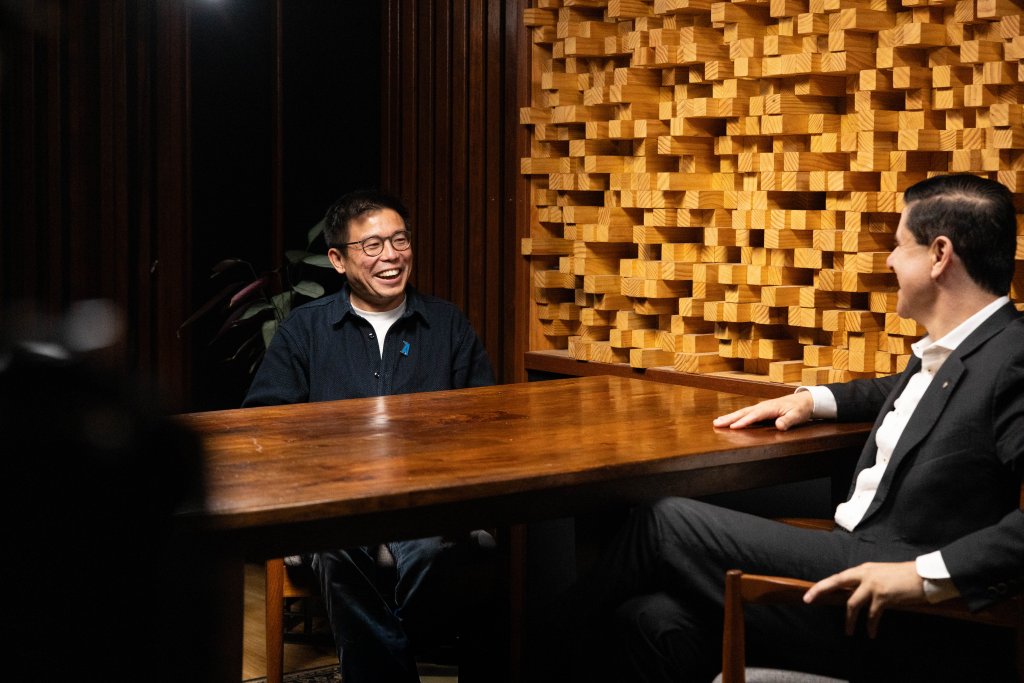
Commitment: “Do what it takes to get in the door”
Tim’s success is punctuated by moments of brilliance, but for the most part is built on going all-in. During his final year at university, Tim was awarded an unpaid position with Macquarie Bank.
“I won the internship by hassling them harder than anybody else.” By the time he graduated, that unpaid role had become a full-time job.
Years later, Tim found himself looking for another opportunity and contacted several companies, offering to work for free.
Chic Management took up the offer and another stretch of unpaid work followed before he was employed full-time. He was soon working closely with owner, Peter O’Connell, who asked for help with a start-up selling SIM cards.
Once again, Tim said yes and less than a year later, was an investor. That company was amaysim, which eventually was sold to Optus in 2020 for $250 million.
In 2011, another opportunity presented itself while Tim was moving apartments. He’d asked his friend, Jonathan Liu, to help and they recognised an untapped gap in the emerging online economy.
What if they could create a way to list tasks online and others could bid on it? Airtasker launched a year later.
Now, more than a decade and a half has passed and Tim is still all-in. “I still get so much joy out of the business, making it better for everyone else. I’m in this for the long run.”
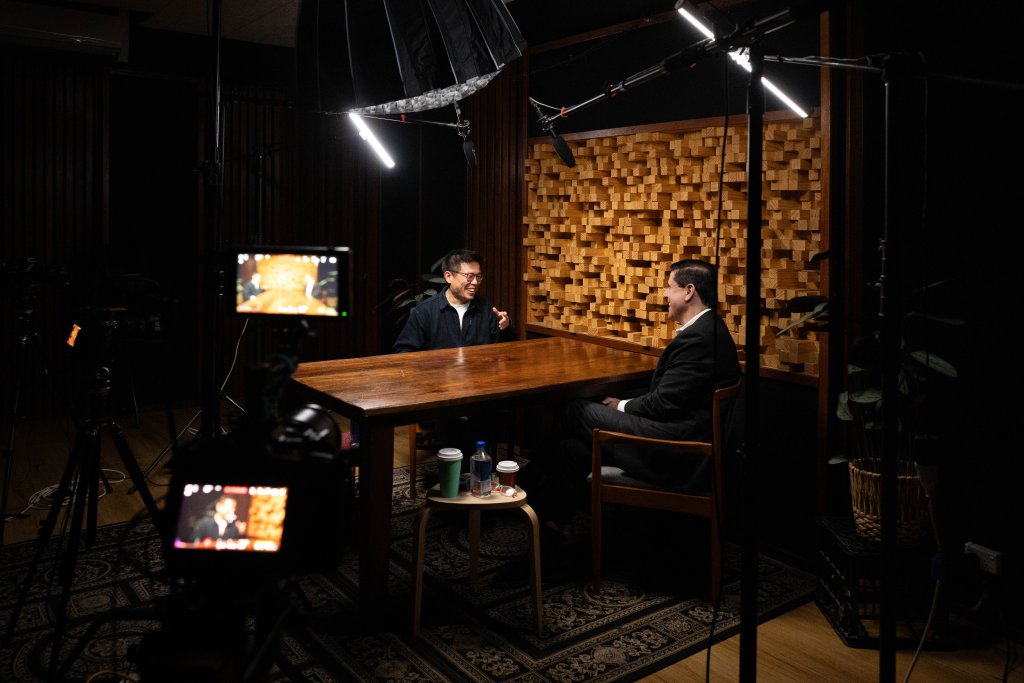
Conviction: “Stick to the first idea — have the courage”
Confidence has been key for Tim too. Sometimes it looks self-assured, when he gives himself permission to do something new, but often confidence looks like resilience and continuing to show up even when things are difficult.
Before Airtasker had even launched, he suffered a crisis of confidence and wanted to shift to an easier, less risky model. A mentor suggested Tim was right, the new idea would be easier, just not that good. “He told me, ‘Stick to the first idea — have the courage.’”
And while he stuck it out, things got harder before they improved. “It’s hard to quantify just how bad those beatings can be when you start.” For more than two years, Airtasker was spending $100,000 a month while bringing in just $150 a day.
Tim had to develop a new level of conviction, not only in the business and his own abilities, but also acknowledging when he needed help. “Be true to yourself, but always ask, ‘Am I the best person to make this decision?’”
Due in a large part to that conviction, things have turned around for Airtasker. The company that was once doing $150 in sales per day now has total sales of over $250 million per year.
And, armed with that confidence, their eyes are firmly on securing more of the $600 billion service market globally. “There’s just so much more opportunity.”
Community: Build it and they will come
People and trust are two words that pop up repeatedly in conversation with Tim and together they form perhaps the most important part of his success: the humans at the heart of it all.
Airtasker was built out of an almost nostalgic desire to create a modern version of the local community noticeboards that would bring people together. “We wanted to make it easier to trust people in your local community and therefore get stuff done.”
And while the initial thought was for the users who needed an extra set of hands, it has flourished into a legitimate way for people to earn an income, providing freedom, flexibility and independence — something Tim takes a great deal of pride in.
“We connect people in a trusted way and give them the infrastructure to run their own business with those tools.” More than 50,000 Taskers earned money through the platform last year, with some making upwards of $100,000.
Born from a very human need, Airtasker is now a multinational organisation that understands the value of its people even more.
When one of the top engineers announced he was moving to Portugal, Tim offered to set up an entire Portuguese office. “When you find people who are awesome, double down and invest in them because they’re hard to come by.”





Comments