


Global scholars, strategists and professionals gather in Istanbul to nurture principled leaders who can strengthen institutions, serve the Ummah and leave a lasting legacy

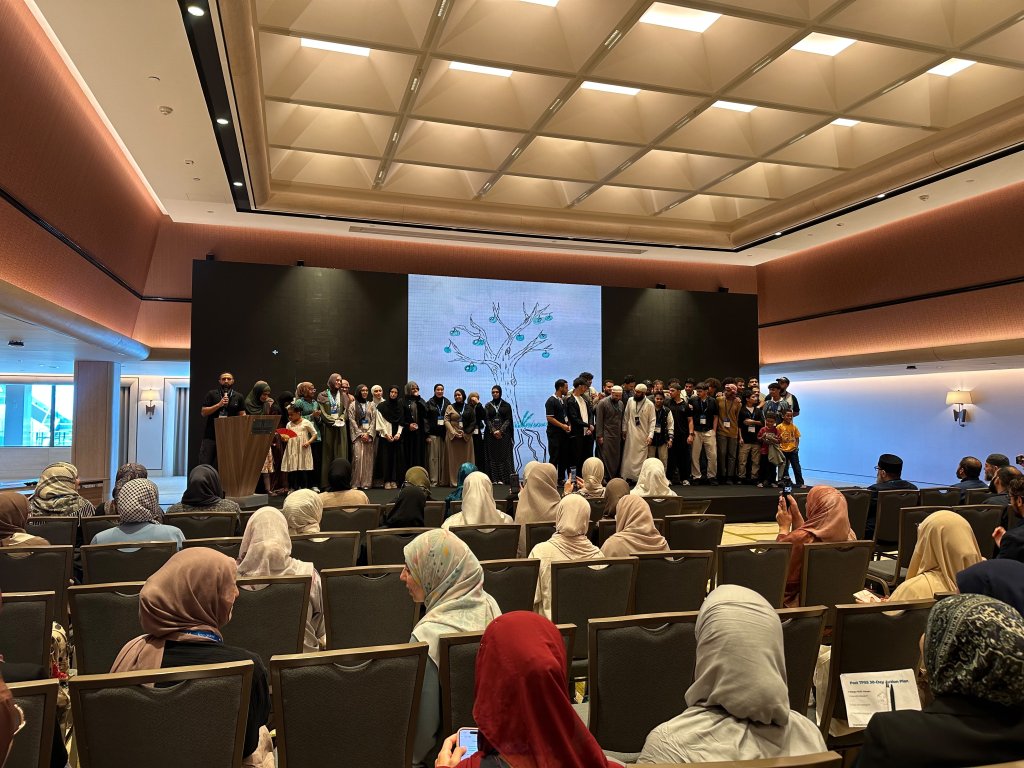
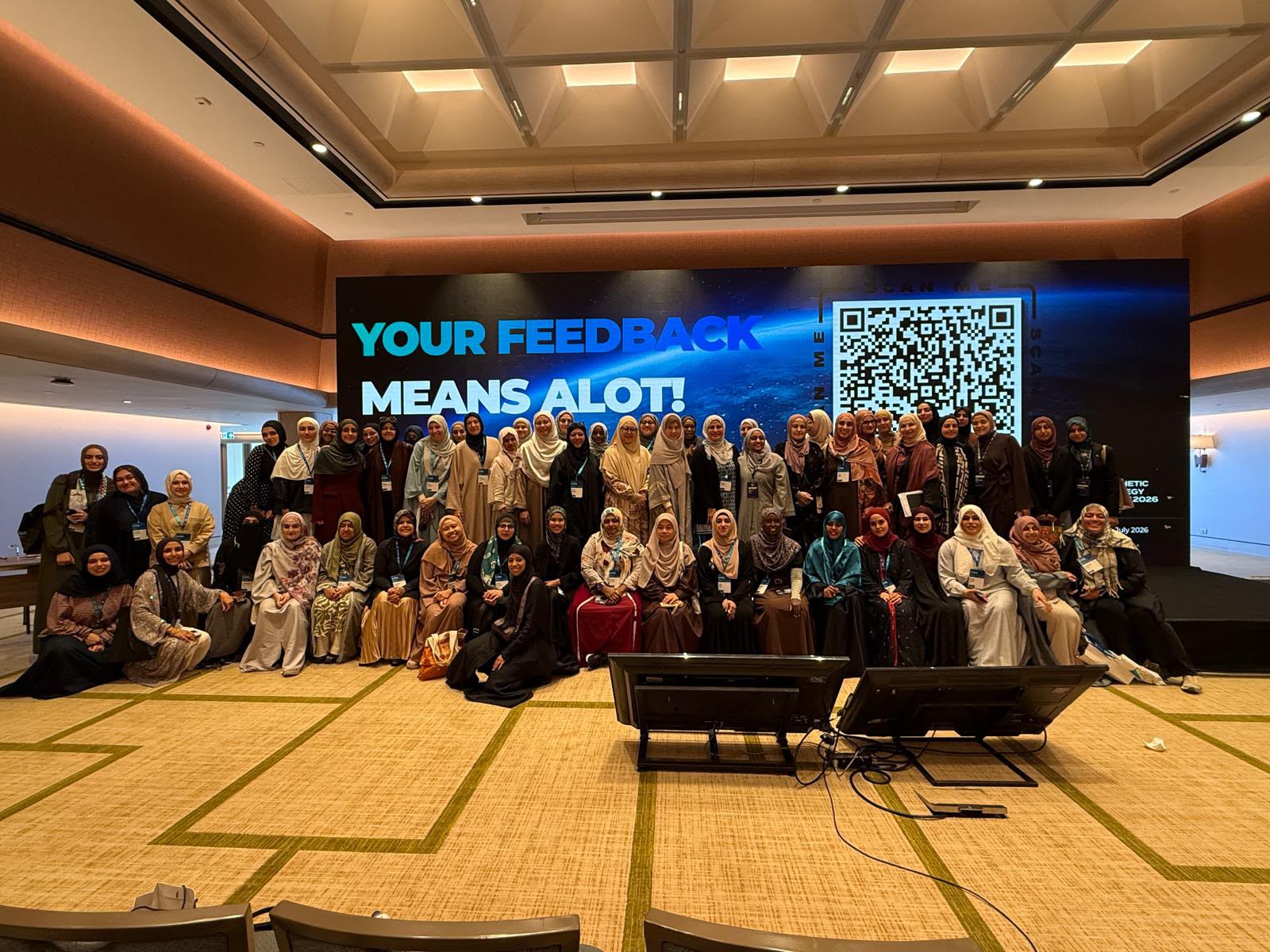
More than a conference, The Prophetic Strategy Summit (TPSS) 2026 brought together Muslim scholars, professionals, entrepreneurs, educators, activists and community leaders from around the world for six days of intensive leadership development, strategic thinking and spiritual renewal from Monday 13 to Saturday 18 July 2026 in Istanbul, Türkiye at Renaissance Polat Istanbul Hotel.

Built around the theme “Where Seerah Meets Strategy,” TPSS sought to address one of the Ummah’s most pressing needs: developing principled leaders who can navigate today’s increasingly complex world while remaining firmly grounded in Islamic values.

Gala dinner celebrates Muslim business leadership
One of the highlights of TPSS 2026 was a gala dinner hosted on Tuesday 14 July by MÜSİAD (Independent Industrialists’ and Businessmen’s Association) at its impressive headquarters in Istanbul.

More than 300 TPSS delegates attended the evening, where they were welcomed by the leadership of one of Türkiye’s largest Islamic-minded business organisations. Founded in 1990, MÜSİAD has grown into a global network of more than 4,000 business members with branches and representative offices in around 90 countries, making it one of the Muslim world’s most influential business associations.
Guests heard addresses from MÜSİAD’s founder as well as by its current President, who reflected on the organisation’s journey over the past three decades. They highlighted its commitment to ethical entrepreneurship, economic cooperation across the Muslim world, supporting small and medium enterprises, international trade, innovation, education, humanitarian engagement and strengthening business partnerships based on Islamic values.

Palestine Platform showcases coordinated advocacy
Another informative presentation during the gala dinner came from the President of the Palestine Platform (Filistin Platformu), who outlined the coalition’s extensive advocacy efforts in support of the Palestinian people.
The Platform brings together numerous Turkish civil society organisations to coordinate national advocacy and humanitarian initiatives relating to Palestine.
The presentation highlighted the importance of organised, strategic and sustained advocacy, demonstrating how collaboration between civil society organisations can amplify the Muslim world’s collective voice on issues of justice and human rights.

Personal reflections: Lessons that will stay with me
Among the many outstanding presentations delivered throughout TPSS 2026, two brief reminders by Dr Yasir Qadhi left perhaps the deepest personal impression on me.
What struck me most was not only the depth of his scholarship but also his remarkable ability to distil profound Islamic principles into practical guidance for activists and community leaders.
At the MÜSİAD gala dinner, despite the late hour, Dr Yasir delivered a powerful five-minute reminder outlining what he described as a five-point strategy for Islamic activism.
Then, before dawn the following morning after Fajr prayer, he delivered an equally inspiring reminder on the seven signs of sincerity (ikhlāṣ) that every Islamic worker should continually evaluate within themselves.

Dr Yasir Qadhi’s five-point strategy for activism
His message was simple, practical and deeply motivating:
1. Go and do something
Our people are suffering and being oppressed. We cannot remain passive. Move, act and contribute. Giving up is not an option.
2. Build together
Find others and establish organisations, teams and institutions. Seek help from everyone who is sincere and capable of contributing to the cause.
3. Equip yourself with knowledge
Activism without knowledge is weak. Continue learning, preparing and developing yourself. Never stop growing.
4. Success lies in sincere effort
Results belong to Allah (SWT). Our responsibility is to continue striving. In the sight of Allah, sincere effort itself is success.
5. Never neglect your relationship with Allah
Maintain constant dhikr, remembrance and worship. Without a strong connection with Allah, activism loses its spiritual foundation.
For me, this five-point framework perfectly captured the philosophy running throughout TPSS: combine spirituality with action, knowledge with strategy, and faith with service.

Seven signs of sincerity for Islamic workers
The following morning’s Fajr reminder focused on ikhlāṣ (sincerity)—the inner quality that determines whether our work is accepted by Allah.
Dr Qadhi encouraged activists to continually examine themselves through seven signs:
- Consistency in personal worship, especially one’s private acts of ibadah.
- Working tirelessly even when nobody notices, serving away from the spotlight.
- Being genuinely happy to work alongside others, without jealousy or feeling threatened by their success.
- Responding modestly to praise, never allowing compliments to inflate the ego.
- Responding positively to criticism, seeking comfort from Allah rather than personal recognition.
- Showing mercy when in a position of strength, resisting the temptation to treat opponents as they may have treated you.
- Frequently asking Allah for sincerity, recognising that ikhlāṣ itself is a divine gift that must continually be sought through duʿā’.
These two reminders beautifully complemented the central message of TPSS 2026. Leadership is not measured merely by influence, titles or organisational success. It begins with sincerity, is sustained through worship and knowledge, and finds expression in selfless service to Allah and humanity.
As I left Istanbul, I realised that beyond the outstanding speakers, strategic frameworks and global networking opportunities, these timeless reminders may well prove to be the summit’s most enduring lessons—guiding Muslim activists and leaders to build institutions with competence while never losing sight of the spiritual foundations upon which all lasting success depends.

Three leadership streams
Recognising that leadership challenges differ according to age, experience and responsibility, TPSS 2026 was organised into three dedicated leadership streams:
- Aspiring Leaders (15–18 years)
- Emerging Leaders (19–25 years)
- Core Leaders (26+ years)
Each stream followed a carefully designed curriculum combining keynote presentations, masterclasses, workshops, mentoring, Growth Pods, one-on-one consultations, networking and leadership projects.
Rather than focusing solely on inspiration, every session was designed to provide practical frameworks that participants could immediately apply within their organisations, businesses, educational institutions and community initiatives.

A global gathering of scholars and experts
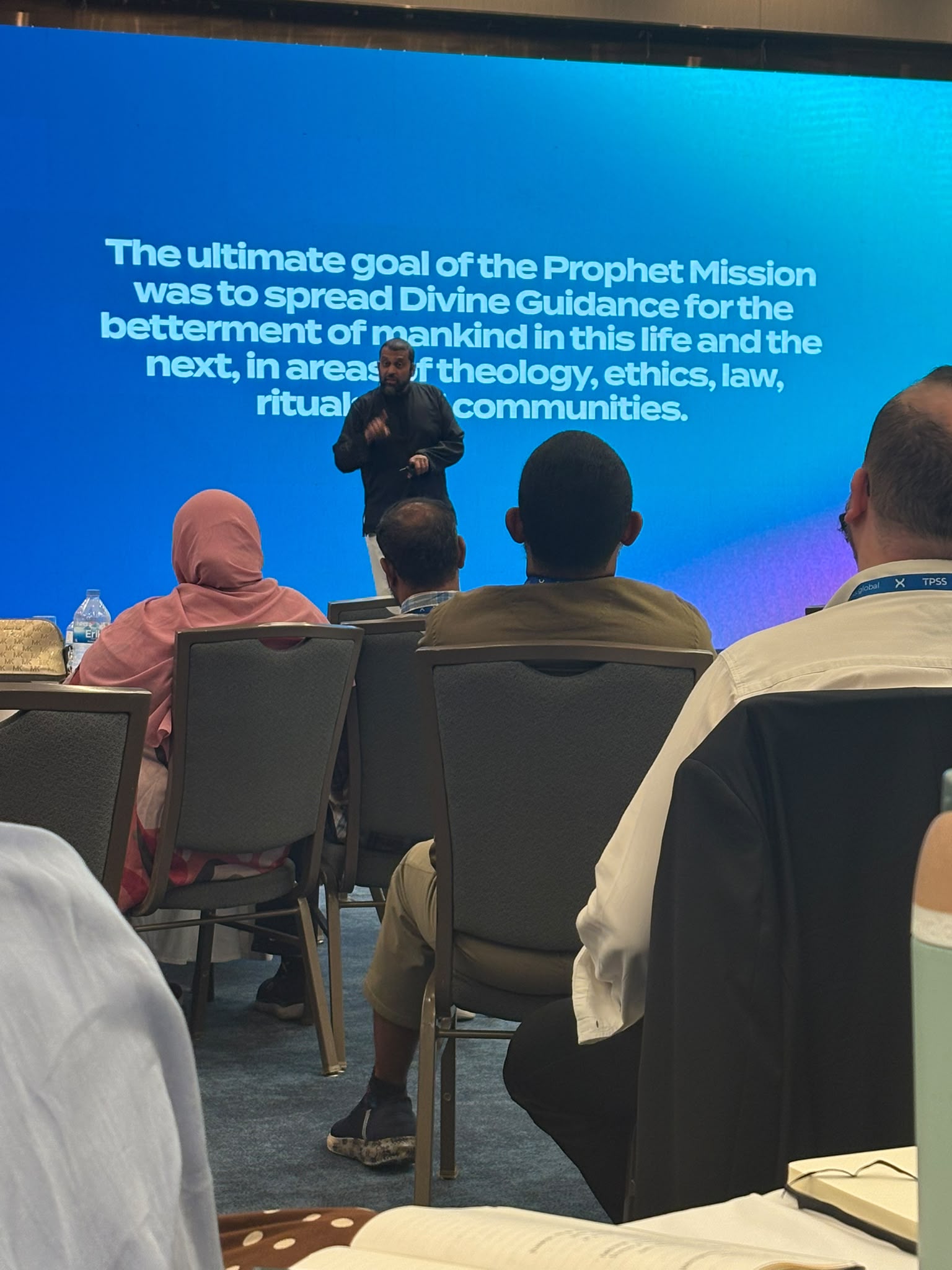
One of TPSS 2026’s defining strengths was the calibre and diversity of its international faculty, bringing together some of the Muslim world’s most respected scholars alongside recognised experts in geopolitics, artificial intelligence, psychology, entrepreneurship, organisational leadership, media, branding, civic engagement and education.
The confirmed speaker line-up included:
- Dr Omar Suleiman (USA)
- Dr Yasir Qadhi (USA)
- Sheikh Haitham al-Haddad (UK)
- Sheikh Yahya Ibrahim (Australia)
- Sheikh Nurudeen Lemu (Nigeria)
- Dr Hatem Al-Haj (USA)
- Sheikh Waleed Hakeem (Malaysia)
- Dr Bilal Philips (Malaysia)
- Sami Hamdi (UK)
- Dr Waleed Kadous (Australia)
- Mohammed Faris (USA)
- Omar DaCosta-Shahid (UK)
- Dr Hamza Tzortzis (UK)
- Ustadha Dalya Ayoub (Qatar)
- Dr Ismahan Abdullahi (USA)
- Hisham Abu Yusuf (UK)
- Dr Sajid Umar (UK)
- Nabeela Elsayed (Canada)
- Dr Wadah Khanfar (Qatar)
- Peter Gould (Australia)
- Dr Rania Awwad (USA)
Together they represented an exceptional blend of Islamic scholarship and contemporary expertise, reflecting TPSS’s conviction that today’s Muslim leaders must possess both spiritual depth and professional excellence.
A programme rooted in the Prophetic model
Unlike many leadership conferences, TPSS intentionally blended spiritual development with practical leadership training.
Each day began with Fajr prayer, Qur’anic reflections and spiritual reminders before participants moved into keynote presentations, workshops, Growth Pods, mentoring sessions and one-on-one consultations with internationally recognised scholars and experts.
Sessions explored many of the most pressing challenges confronting Muslim communities today, including:
- leadership during times of fitnah
- Islamic decision-making in minority contexts
- artificial intelligence and ethics
- organisational strategy
- entrepreneurship
- civic engagement
- Islamic finance
- productivity and professional development
- mental health
- branding and purpose-driven creativity
- community leadership
- women’s leadership
- governance and institutional development
The emphasis throughout was not simply on acquiring knowledge but on developing the wisdom, character and strategic mindset required to build resilient institutions capable of serving future generations.

Evening breakout sessions offered practical leadership insights
One of the summit’s most popular features was its evening breakout programme, allowing delegates to tailor their learning according to their personal and professional interests.
Among Wednesday evening’s featured sessions were:
- The Common Fiqh Gaps Leaders Must Master — Dr Sajid Umar
- How Much Money Is Enough? — Omar DaCosta-Shahid
- Addressing the Shubhat From the Harshest Critics of Islam — Dr Hamza Tzortzis
- Assessing Yourself and Your Leadership Through the Qur’an — Ustadha Dalya Ayoub
- Put Your Capital to Work – A Masterclass for Leaders Who Want Their Money and Institutions to Fund Their Mission — Abdullah Nouh
- Built to Survive: The Mission, Vision and Strategy That Outlast You — Kashif Shabir
The evening concluded with a fireside conversation titled “The Foundation Beneath the Work: Relationships as Leadership Infrastructure,” featuring Hisham Abu Yusuf and Ustadha Dalya Ayoub.

Investing in institutions, not just individuals
Perhaps TPSS’s greatest distinction was its emphasis on institution building.
Rather than asking simply how Muslims can become better leaders individually, speakers consistently challenged participants to build organisations capable of nurturing future generations.
Throughout the summit, delegates were encouraged to move beyond personality-driven leadership towards developing systems, teams and institutions founded upon Islamic values, strategic planning and sound governance.
This philosophy was reflected in the summit’s mentoring culture, collaborative workshops, Growth Pods and strategic discussions, all aimed at equipping participants with practical tools to serve their communities long after the conference had concluded.

Looking beyond the summit
Organisers emphasised that TPSS is intended to be far more than an annual conference.
Through ongoing mentoring, Growth Pods, strategic collaboration and accelerator programmes, participants are encouraged to continue developing projects and institutions that benefit the wider Ummah.
In an era marked by geopolitical instability, rapid technological change and growing challenges facing Muslim communities, TPSS seeks to cultivate leaders who combine spiritual resilience with strategic competence.
As delegates departed Istanbul, they left not merely inspired but equipped with practical frameworks, stronger global networks and renewed confidence to lead with faith, wisdom and purpose.
By bringing together world-renowned scholars, experienced practitioners and emerging changemakers under one roof, TPSS 2026 demonstrated that the future of Muslim leadership lies at the intersection of Seerah, strategy, scholarship and service—preparing a new generation to build institutions, empower communities and leave enduring legacies for the Ummah.










Comments