

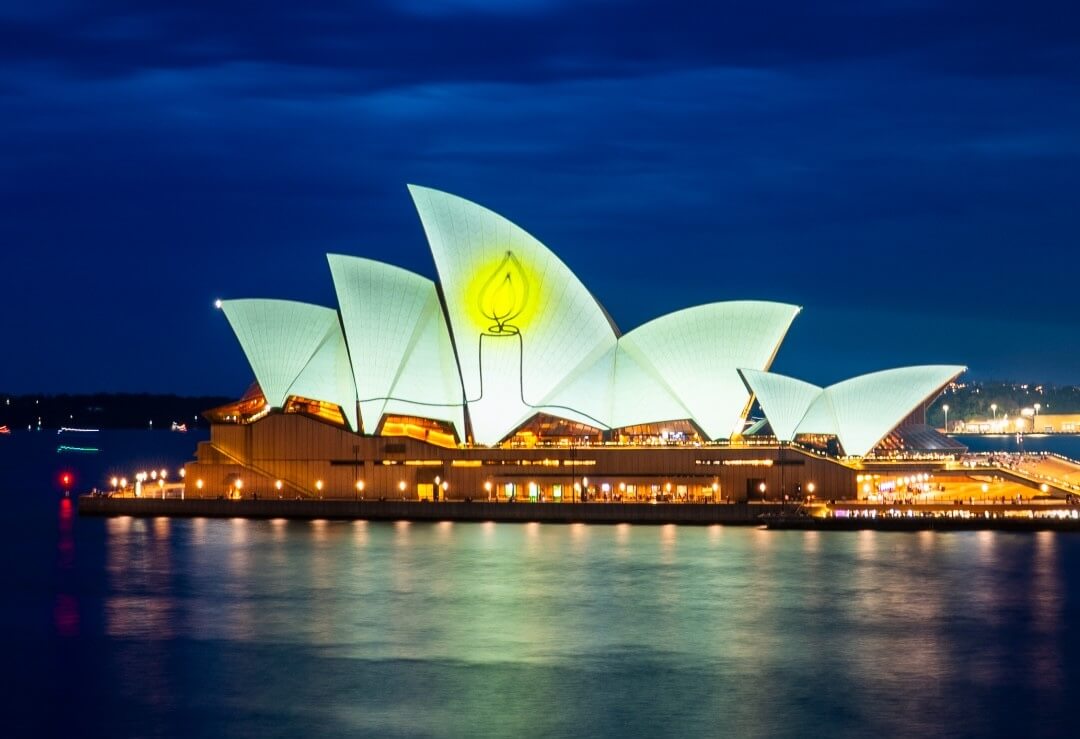
In the days following the violence at Bondi, many Australians have spoken about grief and Australians of all religions including every Muslim leader and organisation including ethnic organisations have shared their sorrow.
I read Tahlia Bowen’s moving reflection, which refuses spectacle and the rush to blame. It begins where trauma lives, in the unanswered messages, dread upon waking, the Jewish teaching that every life is “a universe”, memories of Bondi as Jewish belonging. Her grief is of a granddaughter recalling Holocaust survivors, Chanukah candles flickering in darkness and a shattered community.
Muslims have held vigils with the Jewish community together with other faiths and indigenous people all over Australia. This is in stark contrast is to how so many politicians, the media and pro-Israel lobbies have framed the tragedy.

Before evidence emerged, the attack was labelled “religiously motivated terrorism.” Professor Halim Rane calls this analytically flawed and dangerous. It implies religion authorises violence.
Islam does not: fighting is limited to repelling aggression under state authority, protecting civilians. Vigilantism is prohibited. A faith forbidding an act cannot motivate it.
He writes that violence more often stems from identity grievance due to humiliation, exclusion, or the desire for power. Religion dramatises but does not cause. This does not deny anti-Semitism’s reality or Jewish fear after targeted violence.
But religious framing shifts blame from failed systems to entire communities. Muslims become suspects, Palestinians proxies, protests risking bans, terminology misrepresented, criticism of state violence suspect. Grief becomes weaponised evidence.
The way the tragedy of Bondi has been portrayed echoes what happened post-9/11 of Muslims as a threat, as security objects. Ahmad Al-Ahmad’s heroism shielding victims changes nothing because the caricature “Muslims are violent” persists.
Dov Hanan outlines this strategy. Since 9/11, governments and media control the narrative first (“ISIS-inspired, antisemitic”), weaponise fear next (Muslim identity over intelligence failures), then structure it into law (policing, surveillance, offences targeting suspects).
Massive doses of fear, a primitive emotion, is aroused attacking Muslims and their faith. Fear before facts, emotion before law, repetition making lies “truth”. The claim that chants at anti genocide rallies incite people to violence is being repeated often enough that it is starting to be treated as self-evident.
As Ghaith Kayrem points out Australia already has laws that deal very specifically with incitement to violence, including where that incitement is directed at people on the basis of race, religion, or other protected attributes.
We are being asked to accept, without evidence or legal scrutiny, that certain forms of political expression and protests against genocide are inherently dangerous and therefore need to be criminalised because the incite anti-Semitism. That’s not how the rule of law is supposed to work.
Claims of incitement are serious claims. They should be tested, not assumed. Muslims must “fix Islam” despite the universal condemnation of violence by Muslim leaders and communities throughout Australia pointing out that such actions are never endorsed by Islam.
The calls for a Royal Commission into anti-Semitism fit this fear politics, driven by opposition, Zionist groups, media linking anti-Semitism to Palestine advocacy. It risks a trajectory towards criminalising criticism of Zionism or Israel, the banning of marches.
Commissions don’t collect facts; they canonise meaning. Terms, experts, questions will foreground “religious anti-Semitism” and marginalise intelligence failures. Although over 130+ lawyers expressed support for a Royal Commission, Robert Richter KC, a top barrister, and Israel occupation critic on the grounds that it is true that anti-Semitism is real but this Commission risks equating criticism of genocide, apartheid with anti-Semitism that conflicts with the principal of equal treatment, free speech.
Petitions demand Albanese resign for “failing on anti-Semitism” seem to follow the UK anti-Corbyn playbook that blurred anti-Semitism with Palestine solidarity even by those within the Labour Party. This should not be imported into Australia.
Post-9/11 administrative protest and phrase bans without oversight erode rights. Segal’s anti-Semitism plan using IHRA-defined terms to penalise, to cut funding risks special hate rules invading universities, the media, free speech, the arts, school curriculum conflating criticism of Zionism and Israel with anti-Semitism. Even more dangerously it would allow defunding without recourse or appeal.
On the other hand, Universal Anti-Hate & Truth Framework (UATF) applies hate protections universally. It provides for hate-crime sentencing for all, anti-discrimination in workplaces, universities, housing, services, media truth standards without government censorship blank cheques or Palestine dissent bans. When “hate” definitions stretch for scores, fear overrides law. The UATF concept protects all — Jewish, Muslim, everyone — shoring up rights.
Bowen, Rane and Rita protect this: Bowen’s relational grief; Rane’s precise language against collective blame; Rita’s call to slow — grieve before politics, care before crackdowns.
Bondi need not fracture us. Honour the dead refusing racism, Islamophobia, or silencing Palestine voices. Grief should not be weaponised. It should not canonise discrimination. It should be a meeting place.





Comments