

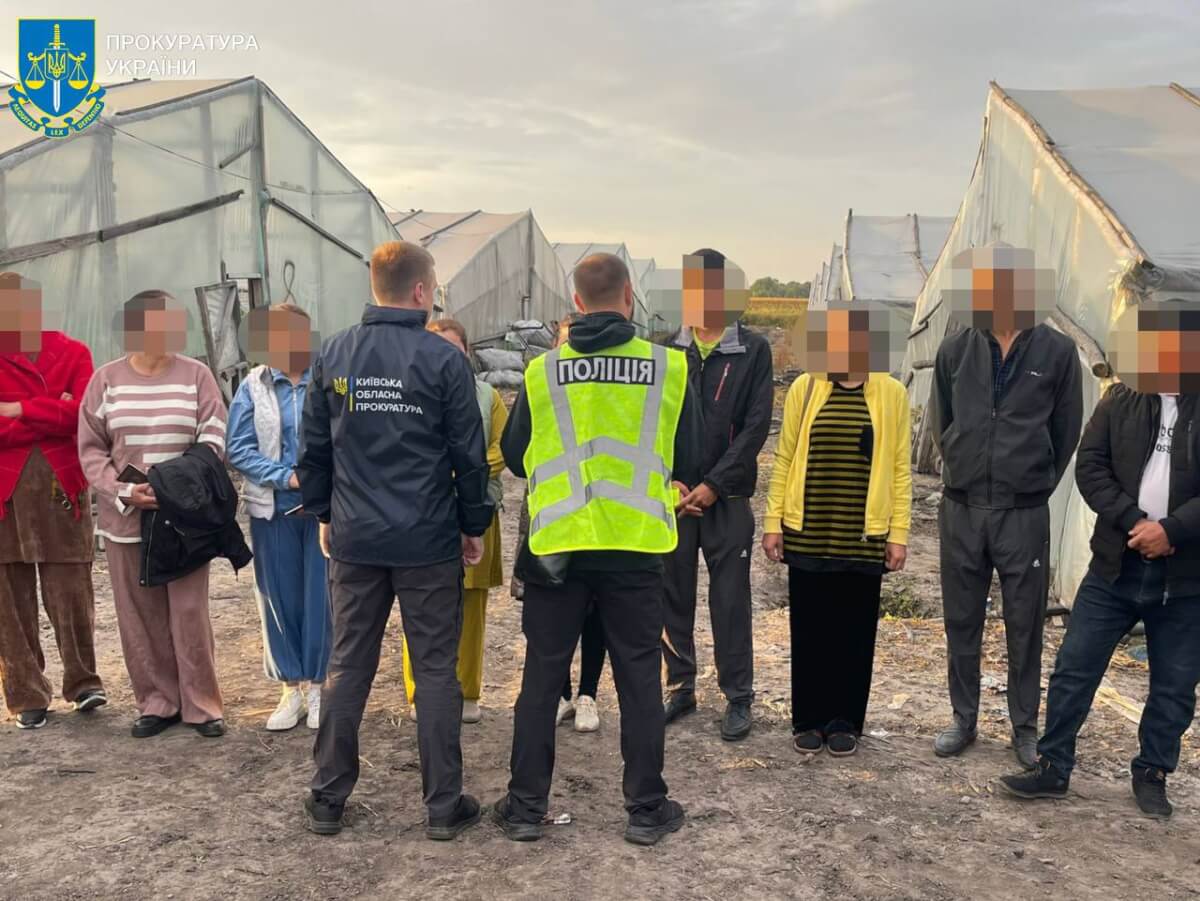
A criminal group held 13 Uzbek nationals in forced labour in the Kyiv region. This case highlights the vulnerability of Muslim labour migrants and raises serious questions about their legal protection in Ukraine.
Consequently, the government of Uzbekistan issued an official protest and a travel advisory for its citizens.
The incident and its repercussions
The perpetrators lured their victims with false promises of high-paying jobs. Then, they isolated and exploited them. This incident underscores a systemic problem. Therefore, it demands a systemic solution.
The legal landscape and a perceived imbalance
Ukraine’s Criminal Code generally prohibits inciting religious hatred. However, in 2022, the government adopted a distinct law that specifically criminalises antisemitism.
This crucial step, while important, has sparked a debate about protection for other groups. Consequently, some community representatives now question whether authorities give threats against Muslims the same legislative urgency. These threats often include Islamophobic stereotypes or the exploitation of migrants.
Analyst insights and community perception
Ihor Semivolos, director of the Ukrainian Center for Middle Eastern Studies, offers an explanation. He suggests that some officials may perceive the Muslim community as complex, which can lead to passive neglect.
Furthermore, international geopolitical narratives often compound this perception by fuelling Islamophobic sentiments.
A path forward for Ukraine
Ukraine is currently defending democratic values on the world stage. Therefore, it faces a critical opportunity to strengthen its society.
The path forward requires ensuring that legal protections are not only robust in law but also equally applied in practice.
Ultimately, concrete government initiatives must ensure the safety and full integration of both indigenous Muslims and Muslim migrants.
Such steps would firmly reaffirm that every community is an integral part of Ukraine’s social fabric and secure under the equal protection of the law.
This opinion piece reflects the author’s views to contribute to constructive dialogue on the rights of religious minorities.




Comments