


On Saturday 29 March, well over 200 interested participants gathered at the Wenty Leagues Club in western Sydney for the 2nd Diabetes Awareness Forum.
The Forum was aimed at educating the public on the growing diabetes ‘epidemic’ and its serious health impacts, particularly on foot health.
It was chaired by Dr Sayed Ahmed, Australia’s first PhD in Pedorthics and a Muslim academic and clinician, whose professional mission is centred on preventing diabetic foot complications through education and innovation.
Held in collaboration with the Sydney Harmony Lions Club, the Forum brought together healthcare professionals and industry stakeholders, Lions Club leaders, patients and the broader community to engage in meaningful conversations about managing diabetes and preventing its long-term consequences.
Dr Ahmed described the day as “a timely and important gathering,” noting that diabetes is one of the fastest-growing chronic conditions in Australia, with an alarming 280 new cases diagnosed each day.
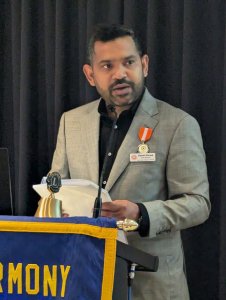
Dr Sayed Ahmed is Australia’s first PhD in Pedorthics and was the major driving force behind the 2nd Diabetes Awareness Forum. (Credit for all photos: Graham Estreich).
“Around 1.3 million Australians, including many thousands of Muslims, are living with diabetes but for a variety of reasons, some people are not even be aware of it,” Dr Ahmed said.
“Forums like this are vital in raising awareness and offering people practical steps to take better control of their health.”
The Forum featured a number of expert speakers, including Matthew Smith, a Diabetic Educator at Nepean Hospital, who spoke on diabetes management and complications.
Jackie Batchelor, Manager of Nepean Hospital’s High Risk Foot Service, provided detailed insights into foot care challenges, while Dr Samy Bishay, Endocrinologist and Senior Adjunct Lecturer at Western Sydney University, helped demystify the systemic effects of diabetes with an engaging visual presentation.
“Full marks to our very informative guest speakers (each of whom I work with on a regular basis) on their presentations – they were able to discuss this very important topic in a way that the general public could understand, while keeping the scientific integrity of the information intact,” Dr Ahmed said.
Physical wellbeing also played a part in the day’s agenda.
Lisa Wang, known in the Sydney fitness community as “Pocketcoachlisa” and the 2023 NSW People’s Choice Exercise Professional of the Year, led an energising fitness segment to demonstrate how movement and motivation are crucial for people living with diabetes – especially as they get older.
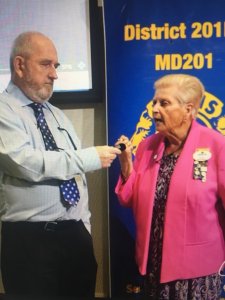
AMUST’s community journalist John Mahoney conducted the vox pop interviews at the Forum and is seen here chatting with the District Governor of Sydney’s 83 Lions Clubs, Mrs Genevieve Jeny.
For Dr Ahmed, the Forum wasn’t just about delivering health messages, but also about creating an opportunity for people to ask questions, share experiences and build a stronger connection with health professionals.
“People came forward after the talks with questions, seeking guidance, wanting to know how they can better look after themselves and their loved ones,” he reflected.
“That’s what community care looks like – open conversations and meaningful support – and I could literally see the enthusiasm in the eyes of many of the attendees.”
“I want to thank Lions Club and the Sydney Harmony Lions Club team for creating awareness about Diabetes in western Sydney.”
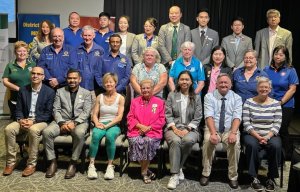
The presence at the event of a large number of decorated Lions representatives from across Australia, including the District Governor of Sydney’s 83 Lions Clubs, Genevieve Jeny, demonstrated the organisation’s ongoing investment in building healthier communities.
“Lions Clubs International focuses on eight Global causes in our service: Childhood Cancer, Diabetes, Disaster Relief, Environment, Humanitarian Efforts, Hunger, Vision and Youth…..and Diabetes is as important as any of them,” Mrs Jeny told AMUST.
Dr Ahmed was full of praise for the Lions movement.
“Collaborating with organisations like Lions enables us to reach people who may not always access conventional healthcare channels,” he said.
“Their commitment to service mirrors our own in the health profession.”
In a society struggling with increasing rates of diabetes and an ageing population, events like the 2nd Diabetes Awareness Forum serve as a timely and powerful reminder that informed, community-driven action is a powerful tool for better health outcomes.
With Western Sydney recognised as the city’s diabetes hotspot – and with most of Sydney’s Muslim communities residing in this region, particularly in the southwest – the need for ongoing education and culturally relevant outreach remains more important than ever.
As Dr Sayed Ahmed mentioned, many people, including a large number within the Muslim community, may be living with diabetes without even knowing it.
Quiet symptoms, busy lifestyles and lack of access to culturally tailored health information can all contribute to delayed diagnosis and management.
A dedicated forum for the Muslim community would offer a meaningful opportunity to address these gaps – not only by raising awareness but by building trust, encouraging early intervention and providing a welcoming space for open discussion.
The success of this recent event shows that when health professionals, community leaders and everyday people come together, real impact is possible – and perhaps the seeds have now been planted for even more community-specific initiatives in the future.






Comments