

As part of Australian Islamic Medical Association’s (AIMA) Ramadan initiative, over 80 Muslim healthcare professionals joined online for an insightful webinar on Sunday 16 February 2025, titled “Healthy Fast, Healthy Ramadan.”
The event explored the intersection of faith and health, offering practical advice on fasting and well-being. The webinar served as a reminder for healthcare professionals, equipping them with the necessary knowledge to guide their patients on fasting safely.

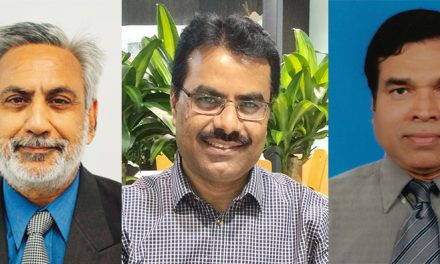
Dr Asif Shahzad, a General Practitioner and AIMA QLD executive member, moderated the session, emphasising the importance of healthcare professionals supporting their patients in making informed decisions about fasting. He highlighted the need for doctors and allied health workers to provide tailored advice to patients with chronic illnesses, ensuring they can fast safely without compromising their health.
The webinar opened with a Quranic recitation by medical student Abdullah, who reflected on the Quran’s guidance on personal hygiene, moderation, and balance in daily life.

He shared verses on mindful consumption and the benefits of fasting beyond spiritual development, reinforcing that Ramadan is a time for self-discipline and well-being.
Dr Muhammad Asif Shahzad, a Gastroenterologist and Hepatologist, delved into common digestive issues experienced during Ramadan, such as acid reflux, constipation, and bloating. He explained how fasting impacts gut microbiota and improves detoxification.

While fasting offers several health benefits, he cautioned against poor dietary choices that may lead to discomfort. He advised managing reflux by staying hydrated, eating early for suhoor, avoiding spicy and fatty foods, and remaining upright after meals.
For constipation, he highlighted the importance of fibre-rich foods, adequate water intake, and gentle physical activity. He encouraged healthcare professionals to remind their patients about these dietary adjustments and ensure that individuals with chronic digestive conditions seek pre-Ramadan consultations.
Zeenia Gul, a Dietitian and Health Coach, discussed the importance of proper nutrition during Ramadan. She said that fasting should not be seen as an opportunity for extreme dieting or indulgence but rather as a way to improve overall well-being.

She highlighted the role of prebiotic and probiotic foods in promoting gut health and recommended incorporating fibre-rich foods, lean proteins, and complex carbohydrates into suhoor and iftar. She also stressed the importance of hydration, encouraging patients to drink water consistently between iftar and suhoor rather than consuming large amounts at once.
She provided healthcare professionals with practical tips on meal planning, portion control, and mindful eating to pass on to their patients, ensuring they can maintain energy levels and optimise the benefits of fasting.
Professor Omar Farouque, an Interventional Cardiologist, addressed the impact of fasting on cardiovascular health. He reassured attendees that fasting is generally safe for individuals with stable heart conditions and can even lead to improvements in vascular function, reduced blood pressure, and lower inflammation.

However, he underlined that those with heart disease or on medication should consult their doctors before making any changes. He discussed strategies for medication adjustments, emphasising that dehydration and electrolyte imbalances should be avoided.
He advised healthcare professionals to encourage their patients to follow a heart-healthy diet during Ramadan, incorporating unsaturated fats, lean proteins, and whole grains while limiting excessive salt and processed foods. Regular physical activity, such as light walks after iftar, was also recommended to maintain cardiovascular health.
The webinar concluded with a Q&A session, allowing healthcare professionals to discuss patient concerns and best practices. The discussion reaffirmed the importance of preparing patients for Ramadan with a well-thought-out health plan, encouraging consultations with doctors when necessary, and maintaining a balanced approach to food and hydration.
To watch a recording of the webinar or access key resources for Ramadan for healthcare professionals, visit aima.org.au/ramadan





Comments