

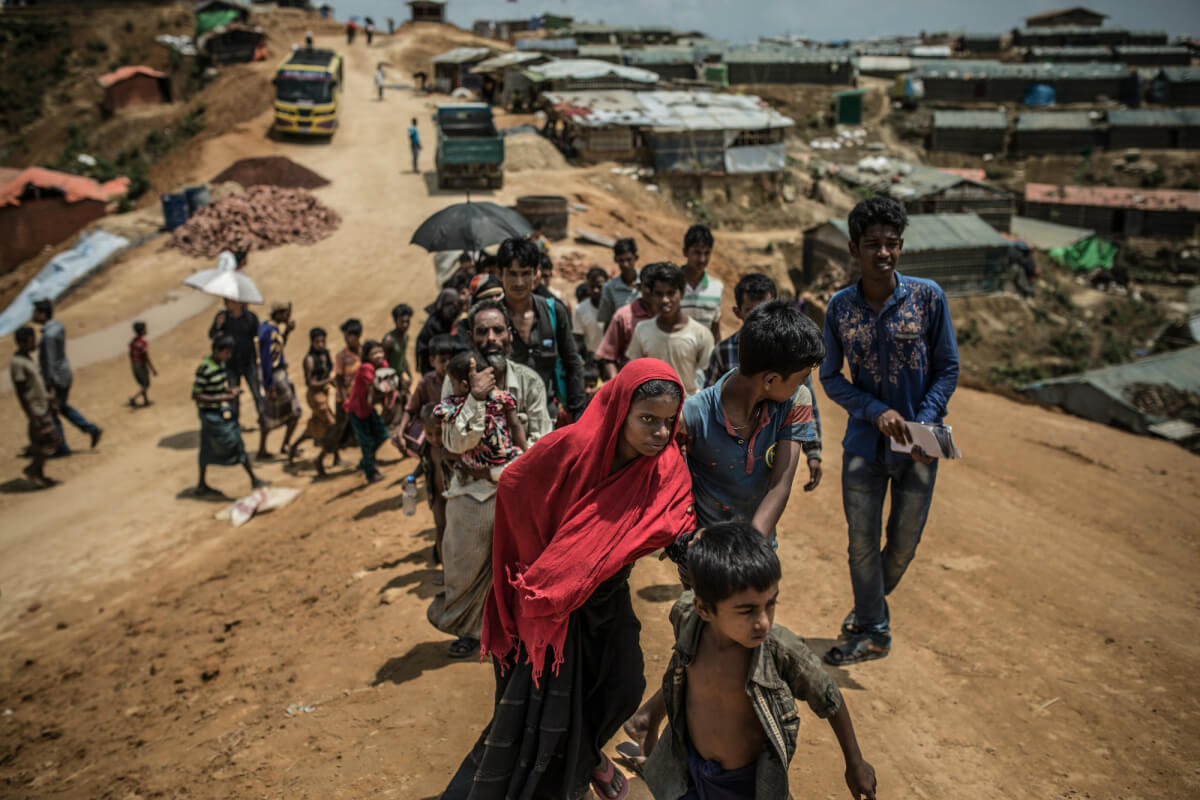
Image reference: BANGLADESH 2017 © Pablo Tosco
One of the most overlooked genocides currently occurring in the world is the genocide of the Rohingya People, who are native to the lands of Myanmar, also known as Burma.
The Rohingya people are a Muslim ethnic group of civilians based in Myanmar, which is a predominantly Buddhist area.
Despite residing in Myanmar for several decades, the Rohingya people are often subjected to discrimination, gender-based violence and exploitation.
The Rohingya people are yet to be recognised as an official ethnic group of Myanmar. Since 1982 the Rohingya people have been denied the right to become a citizen in their own land.
In August 2017 the violence and mistreatment towards the Rohingya people escalated significantly. This led to the largest exodus to occur since 1978. Causing 742,000 people to flee from their homes forcefully, as they were subjected to inhumane conditions and at dangerous risk of ethnic cleansing.
During this uprising violence, entire villages were burnt, crimes against humanity were committed and thousands of families were killed or separated as a result. This mayhem is yet to be ceased.
Today, at least, 1 million Rohingya are displaced in Bangladesh. Over 860,000 live in inhumane, densely packed and unhygienic living conditions. This area is well known as Cox’s Bazar in Bangladesh, located near the border of Myanmar.
Consequently, it is known for its nefarious living conditions and ongoing health hazards. It is an area heavily prone to flooding and climate change which endangers the lives of refugees further.
Due to the ongoing persecution of Rohingya people, they have been denied statehood, dignity and humanity for many years now. As noted by Doctors Without Borders, indeed the Rohingya people, ‘ remain one of the most persecuted minorities in the world’.
It is believed that the safety and humane treatment of the Rohingya people is long overdue, and that change is imminent. The international community must acknowledge their plight and advocate for the dignity and humanity that the Rohingya people deserve.
Although countries have taken the time to condemn the actions of Myanmar, such statements are not enough to cease the inhumane and inherent discrimination towards the Rohingya people.
The international community must work together to create a solution to this prolonged tension and violence.




Comments