

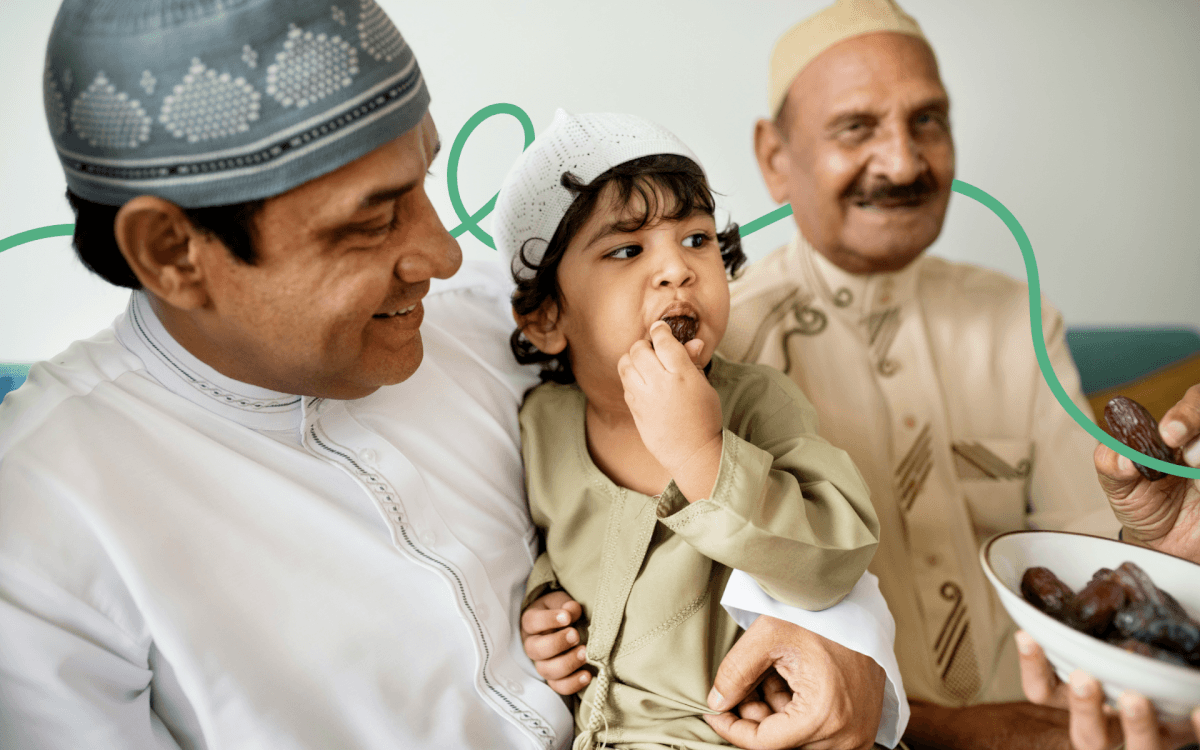
For many Muslims, life is built around responsibility. Providing for family. Supporting parents. Raising children. Paying off a home. Helping relatives overseas. Giving to the community where possible.
Much of adulthood becomes focused on the immediate needs of others, often leaving very little space to think about ourselves years down the track.
But eventually, an important question begins to surface. Who is looking after your future self?
It is a question many people avoid, not because it lacks importance, but because long-term planning can feel distant compared to everyday pressures.
Retirement, ageing, and financial security are often treated as problems for “later,” especially during periods where the cost of living continues to rise and financial priorities feel immediate.
For many families, survival mode quietly becomes a long-term lifestyle. The years move quickly, responsibilities increase, and before long, decades have passed without a clear plan for the future.
Yet within Islam, planning ahead is not discouraged. In fact, responsibility and preparation are deeply connected to faith.
Planning is part of Amanah
There is sometimes a misconception that financial planning reflects excessive attachment to wealth or dunya. In reality, Islam consistently encourages balance, responsibility, and foresight.
The Prophet Muhammad (s) taught moderation, accountability, and caring not only for immediate needs, but for long-term wellbeing.
Preparing for the future is not about greed or fear. It is about protecting dignity, reducing hardship, and avoiding becoming unnecessarily dependent on others where possible.
This is especially important as people grow older.
Many families witness the emotional and financial pressure that can emerge later in life when there is little preparation in place.
Adult children often carry the responsibility of supporting ageing parents while simultaneously managing mortgages, raising children, and navigating increasing living costs themselves.
Caring for parents is one of the greatest acts of service in Islam. But financial hardship can place additional strain on families already stretched in multiple directions.
Long-term planning does not remove responsibility from children or loved ones. Rather, it helps reduce avoidable pressure and creates greater stability for everyone involved.
The conversations we delay
Retirement is still a topic many within the Muslim community struggle to engage with openly.
Some feel they are too young to think about it. Others feel overwhelmed by superannuation systems, investments, insurance, or aged care structures in Australia.
For many, there is also uncertainty around whether financial products genuinely align with Islamic principles.
As a result, important decisions are often delayed.
Superannuation becomes something people glance at occasionally, rather than actively engage with. Contributions are left untouched. Investments are rarely reviewed. Long-term financial goals remain vague rather than intentional.
But delaying these conversations often creates bigger challenges later.
The earlier people begin understanding how superannuation works, how compound growth operates over time, and how retirement structures function, the more flexibility and confidence they are likely to have in the future.
This becomes particularly relevant approaching the end of the financial year, when many Australians begin reviewing contributions, expenses, savings, and longer-term financial goals.
Financial security is also emotional security
One of the most overlooked aspects of financial planning is the emotional impact it has on daily life.
Uncertainty creates stress. Financial instability often affects not only individuals, but entire households.
Many people carry quiet anxiety about whether they will ever be able to retire comfortably, support their families long-term, or manage unexpected life changes.
Planning ahead does not eliminate uncertainty entirely, but it creates structure.
It provides reassurance that there is a plan in place. That decisions are being made intentionally rather than reactively. That the future is not being ignored.
For Muslims, this sense of security is often connected not only to financial outcomes, but also to values. Questions around how money is invested, whether superannuation is Shariah-compliant, and whether financial decisions align with faith become part of the broader picture.
Increasingly, Australian Muslims are looking for ways to build financial stability without compromising their beliefs. They want to know that their future planning reflects both practical responsibility and Islamic principles.
A shift between generations
There is also a broader cultural shift taking place.
Many first-generation migrant families focused primarily on survival, stability, and creating opportunities for their children. Long-term financial planning was often secondary to immediate responsibilities and sacrifice.
The next generation is now navigating a different environment. Housing costs are higher. Financial systems are more complex. Retirement is increasingly self-managed. And the expectation to “figure it out later” no longer works the way it once did.
This creates an opportunity to approach money differently.
Not simply as something to earn and spend, but as something to manage intentionally over time. To think beyond short-term pressures and begin asking what kind of future is being built over decades, not just months.
Building for the future without losing the present
Planning ahead does not mean becoming consumed by money.
It means approaching life with balance. Preparing where possible while remaining grounded in faith and perspective. Islam does not ask people to live in fear of the future, but it also does not encourage negligence.
There is wisdom in preparation.
Just as families plan for education, marriage, or home ownership, planning for retirement and long-term wellbeing should also be part of responsible living.
This includes understanding superannuation, reviewing financial structures, considering long-term care needs, and making informed decisions that align with both financial realities and Islamic values.
Looking ahead with Tawakkul
None of us can fully predict what the future holds.
Health changes. Circumstances shift. Life moves quickly.
But taking steps toward financial preparation is not about controlling every outcome. It is about fulfilling responsibility with the knowledge and resources available today.
In many ways, this is part of tawakkul itself. Making thoughtful decisions, acting responsibly, and then trusting Allah with what comes next.
Because caring for your future self is not separate from caring for your family.
In the long run, it is part of the same amanah.




Comments