

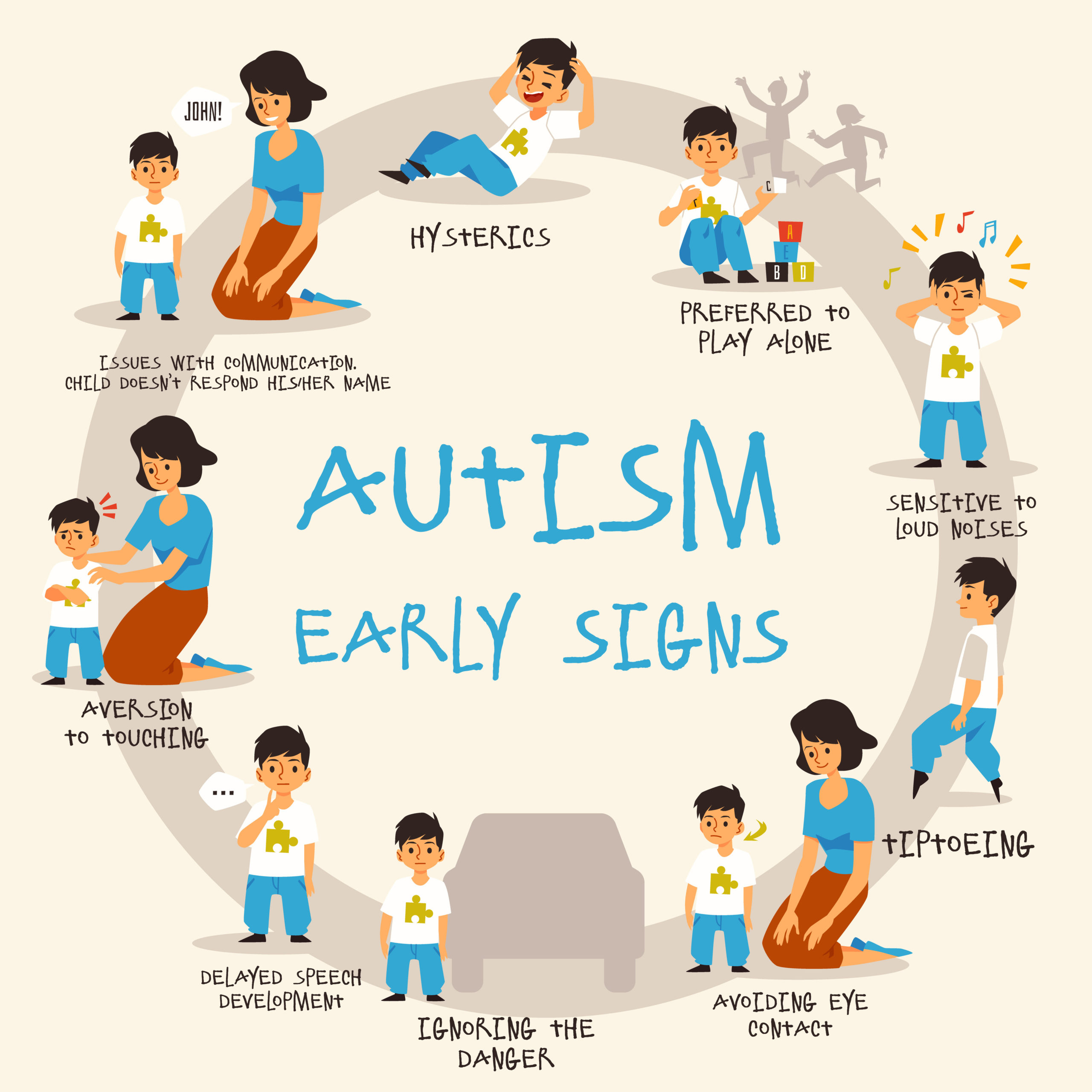
Many children with autism are still misunderstood as “shy”, “difficult”, or “just slow to develop”. In reality, autism is a neuro-developmental condition that affects how children communicate, interact, and experience the world. Early recognition, culturally safe support, and strong partnerships between families and schools can make a lifelong difference.
Ahmed* was 3 when his parents first became concerned. He spoke very few words, avoided eye contact, and often became distressed in noisy environments.
At home, relatives reassured them he was “just quiet” and would “grow out of it”.
At preschool, teachers noticed he did not consistently respond to his name and preferred to play alone. His parents were unsure whether to wait or seek help.
It was only after a developmental assessment that they learned Ahmed* was autistic.
For his family, the diagnosis was not a label. It was an explanation. More importantly, it opened the door to support.
Understanding autism beyond behaviour
Autism is a neuro-developmental condition that affects communication, social interaction, sensory processing, and behaviour. It is linked to early brain development and has strong genetic influences.
Autism is not caused by parenting style, culture, or family environment. There is also no evidence linking autism with vaccinations.
As outlined in several Australian child health resources, autism is part of neurodiversity—the idea that differences in brain development are part of normal human variation.
https://www.rch.org.au/kidsinfo/fact_sheets/Autism_spectrum_disorder/
https://raisingchildren.net.au/autism
Children with autism may:
- communicate differently, verbally or non-verbally
- find social interaction and group play challenging
- be sensitive to sound, light, or touch
- prefer routines and predictability
- show repetitive behaviours or strong focused interests
Many also have strengths in visual thinking, attention to detail, memory for specific topics, and deep focus.
Why children are often missed or misunderstood
In many families, especially within multicultural communities, early signs of autism are often interpreted differently.
A child who avoids eye contact may be seen as respectful.
A child who does not respond quickly may be considered well-behaved.
Speech delay may be reassured as “just late talking”.
These views are influenced by culture, experience, and expectations around child development.
In some communities, autism is not widely understood or openly discussed. Families may hesitate to seek assessment due to stigma or concern about labels.
As a result, some children are identified later than ideal, missing the benefits of early support.
Autism is different in every child
Autism is a spectrum condition. No two children present in the same way.
Some children have delayed speech but strong non-verbal communication.
Some speak fluently but struggle with social understanding.
Some appear socially engaged but experience sensory overload or anxiety.
Autism is not defined by a single behaviour. It is a pattern of differences in development, communication, and sensory processing.
Early signs that families may notice
Early signs may include:
- delayed or limited speech
- reduced response to name
- limited pointing or shared attention
- repetitive play or movements
- strong reactions to sensory input
- preference for routine
https://www.rch.org.au/kidsinfo/fact_sheets/Autism_spectrum_disorder/
These signs do not confirm autism, but they suggest that a developmental assessment may be helpful.
Why early support matters
Early support does not change who a child is. It helps them build communication, learning, and daily life skills in ways that suit their development.
Support may include speech therapy, occupational therapy, developmental interventions, and parent-guided strategies.
Organisations such as Autism Spectrum Australia provide therapy services, education, and support for individuals on the autism spectrum.
https://www.aspect.org.au/
Programs such as Positive Partnerships also help families and schools work together with practical tools, workshops, and strategies to support learning and behaviour.
https://www.positivepartnerships.com.au/
Support is most effective when families, schools, and clinicians work together.
What schools and parents can do
Small, practical changes can make a big difference:
- give clear, simple instructions
- use visual schedules and routines
- support predictable transitions
- reduce sensory overload where possible
- develop individual learning plans when needed
In Australian schools, children with developmental differences are entitled to reasonable adjustments that support equal access to learning.
For families navigating a new diagnosis, free evidence-based guidance is available through the Autism Association of Australia’s Autism: What Next? digital toolkit and the comprehensive Resource Hub at autismawareness.com.au. These resources provide crucial, step-by-step support from early childhood through to adulthood. You can find these resources on the autismawareness.com.au website.
Why early support matters
Without early understanding and support, children with autism may struggle with communication, learning, friendships, and emotional well-being.
With early recognition and appropriate intervention, many children build strong adaptive skills and meaningful participation in school and community life.
The goal is not to change the child, but to understand how they experience the world and support them accordingly.
Key messages for families
Autism is a neuro-developmental condition, but it is also a different way of developing and experiencing the world.
When families, schools, and clinicians work together, children are more likely to feel understood, supported, and included.
Every child deserves that opportunity, regardless of language, culture, or background.
“Autism is not a failure of parenting or discipline. It is a difference in how the brain develops. With the right understanding and support, children can thrive.”
References / Further reading
https://www.rch.org.au/kidsinfo/fact_sheets/Autism_spectrum_disorder/
https://raisingchildren.net.au/autism
https://www.aspect.org.au/
https://www.positivepartnerships.com.au/
*Name changed for privacy. No real patient identifiers or identifiable clinical details have been used.*




Comments