


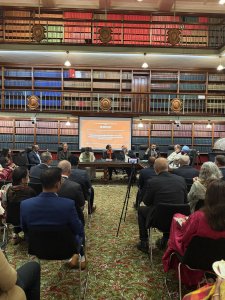
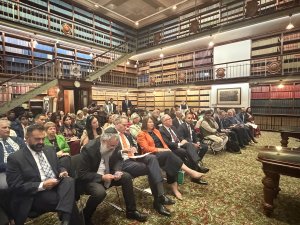
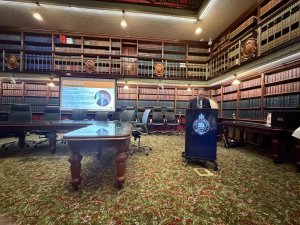
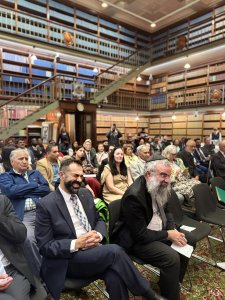
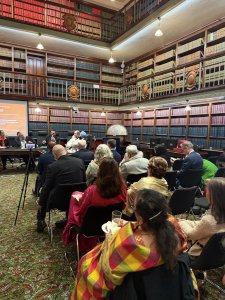
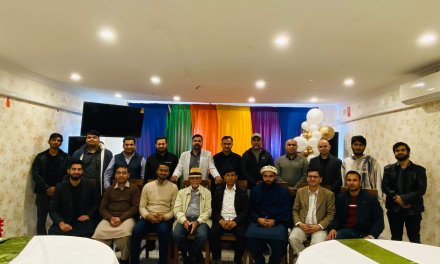
The Shared Future – Interfaith Collaboration for Peace and Prosperity in NSW, convened on Thursday 14 May 2026 at NSW Parliament by Indians in Sydney under leadership of Nadeem Ahmed with support from Gurnam Singh, brought together faith leaders, community organisations, academics and policymakers for an evening focused on a question that is becoming increasingly central to public life: how do diverse communities stay connected in a time of growing fragmentation?
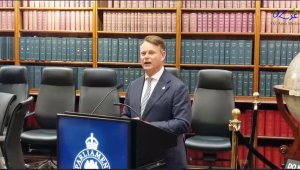
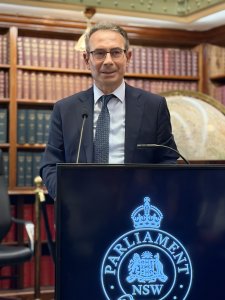
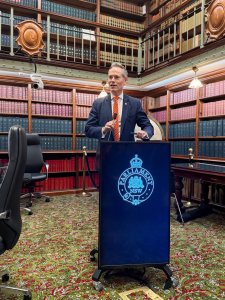
Hosted by Warren Kirby MP, the event carried an institutional tone from the outset. Mr Kirby also represented Steve Kamper, Minister for multiculturalism.
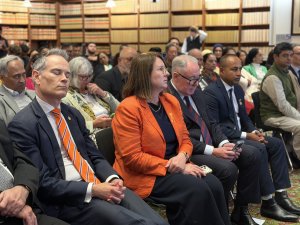
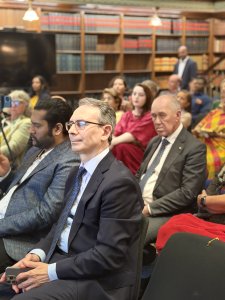
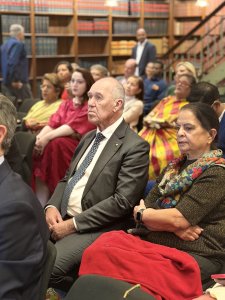
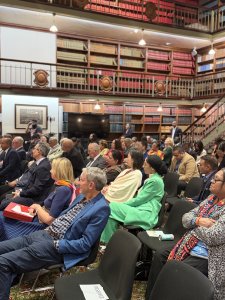
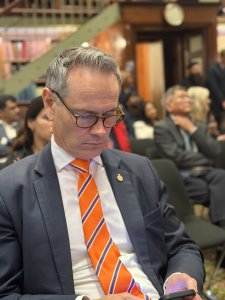
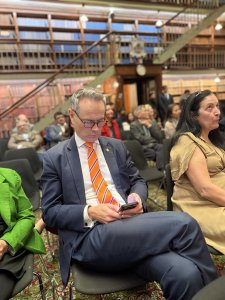
Among those present were Premier Chris Minns, Mark Coure MP who also represented leader of opposition Kellie Sloane MP, Gurmesh Singh MP, Hugh McDermott MP, Donna Davis MP, Nathan Hagarty MP, Charishma Kaliyanda MP and Tim James MP, reflecting a rare bipartisan presence in a political environment often defined by division.
The Premier’s attendance, despite a demanding parliamentary schedule, was quietly noted by many in the room – not as symbolism, but as a signal that social cohesion is increasingly being treated as a governance concern rather than a ceremonial theme.

A silence that changed the tone of the evening
The evening began with a moment of silence in remembrance of the Bondi tragedy.
It lasted less than a minute, but it reshaped the room more effectively than any speech that followed.
In that shared silence, the distinctions that usually define public life – faith, politics, profession – did not disappear, but they softened. What remained was not agreement, but shared presence. A collective acknowledgement of loss that required no interpretation.
For a brief moment, Parliament was not a place of debate or positioning. It was simply a place where people stood together.
Community leadership in a changing civic landscape
At the centre of the evening’s organisation was Nadeem Ahmed, founder of Indians in Sydney, one of Australia’s largest multicultural digital communities.
Mr Ahmed positioned the gathering as part of a broader shift in how community influence now operates not only through institutions, but through large digital platforms that shape identity, belonging, and public sentiment at scale.
“Peace is not a destination we reach and then stop; it is a way of walking together every single day,” Mr Ahmed said.
“When communities are connected with trust and dignity, the distance between difference becomes smaller.”
His remarks reflected an emerging reality: civic influence is no longer confined to formal structures. Digital communities are increasingly acting as informal connectors across culture, geography, and lived experience.
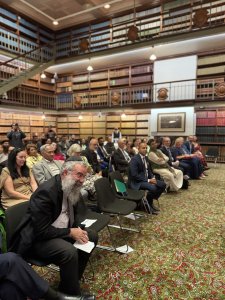
Peace as structure, not sentiment
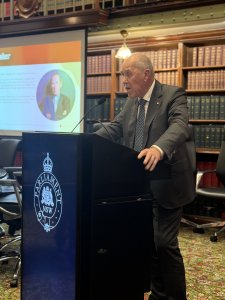
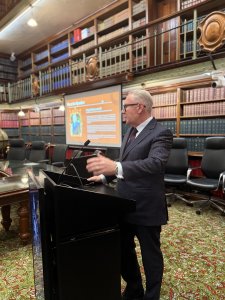
One of the most grounded contributions came from Steve Killelea AM, founder of the Institute for Economics and Peace.
Mr Killelea reframed peace not as aspiration, but as infrastructure – built through functioning institutions, equitable opportunity, and trust in systems.
His work on the Global Peace Index has long argued that stability is measurable, not abstract, and depends on conditions that extend far beyond cultural goodwill.
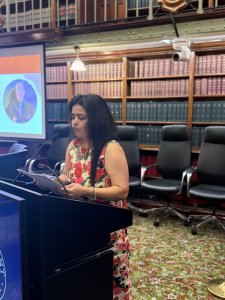
This framing was reinforced by Dr Jane Fulton and Ahmet Orhan Polat, who focused on trust as something formed in everyday interactions rather than large declarations.
Mr Ahmet who is a well known face in the community took us to lane of shared stories, shared Iftar where brings over 1000 of people from different faith under one roof. Dr Fulton’s each word exhibit social cohesion – peace and dialogue
A rare bipartisan convergence and its limits
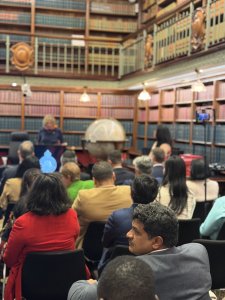
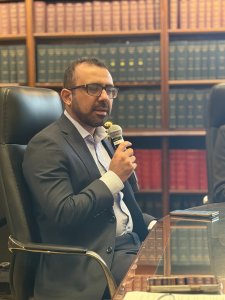
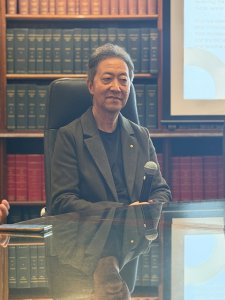
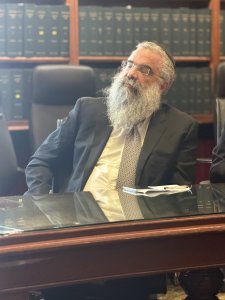
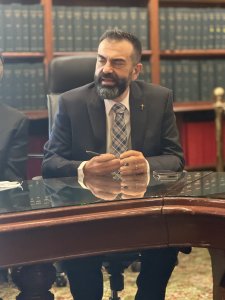
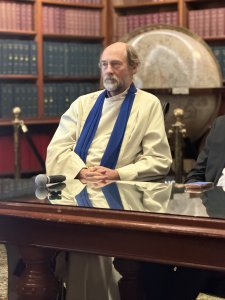
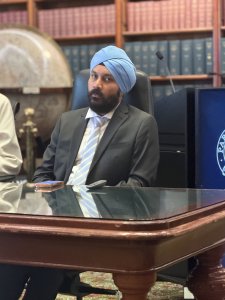
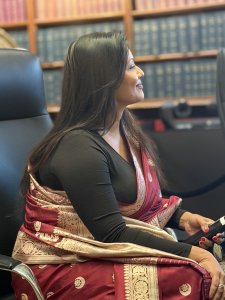
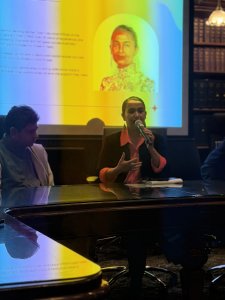
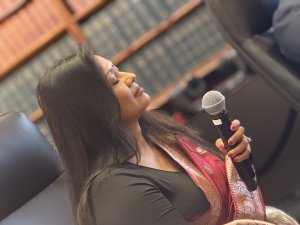
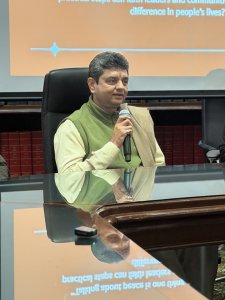
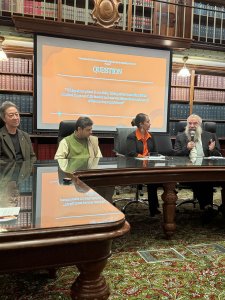
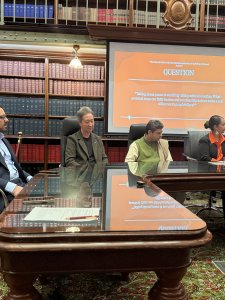
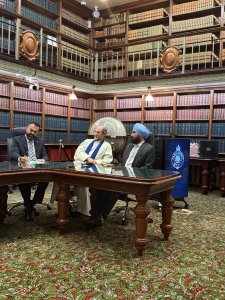
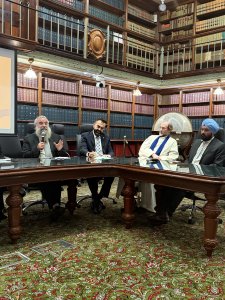
The interfaith panel, moderated by Nandini Sen Mehra, brought together a diverse range of voices including Melissa Monteiro, Gurnam Singh, Pandit Jatin Kumar Bhatt, Paul Sedrak, Dr Ali Alsamail, Rabbi Dr Dovid Slavin, and Rev Geoff.
Across different traditions and perspectives, the discussion consistently returned to shared pressures: misinformation, online polarisation, and the widening gap between digital narratives and lived community experience.
There was broad agreement that dialogue matters. But there was also an underlying recognition that dialogue alone is not enough.
That gap between conversation and structural change remains one of the central challenges of multicultural policy in NSW.





Comments