


IMESA Committee members Mr Zahid Jamil and Mr Syed Asif Hassan visited several projects in India during their private visits this summer holidays. IMESA patron Mrs Firdosi Obedullah also visited a centre during her Indian visit.
Mr Zahid Jamil, accompanied by Mr Amri Abidi of the Taraqqi-e Foundation, travelled to Nuh in the Mewat region of Haryana State to inspect and assess project activities.
The Project Manager, Mr Zaheer Alam, briefed Mr. Jamil that 150 children from Classes I to X are currently enrolled at IMESA’s after-school tutoring center located at the city’s Country Grammar School. The students are being taught Mathematics, Science, English, and Social Studies.

During a formal meeting with staff members and parents, Mr Jamil and Mr Abidi discussed the project’s progress and explored ways to further improve educational standards.
Parents expressed their gratitude to IMESA for providing after-school tutoring during hours that were previously wasted on undesirable activities. Many of these parents work in labour-intensive jobs and are unable to provide guidance or academic support at home or afford private tutoring.
Parents also emphasised the growing need for similar after-school tutoring centres in the surrounding villages. Mr Zahid Jamil thanked the staff and management for their excellent work and shared details about IMESA’s educational initiatives across India, highlighting that the organization is currently running centres in 12 states.
Following the meeting, Mr Jamil toured the classrooms and interacted with the students. He was pleased to observe their confidence, presentation skills, and prompt responses to questions.
A Class X student, Sumaiya, recited a beautiful poem, while another student, Sualeha, delivered an impressive speech on the importance of education. Students from various classes performed a number-based skit and presented self-designed “Thank You” cards to IMESA.
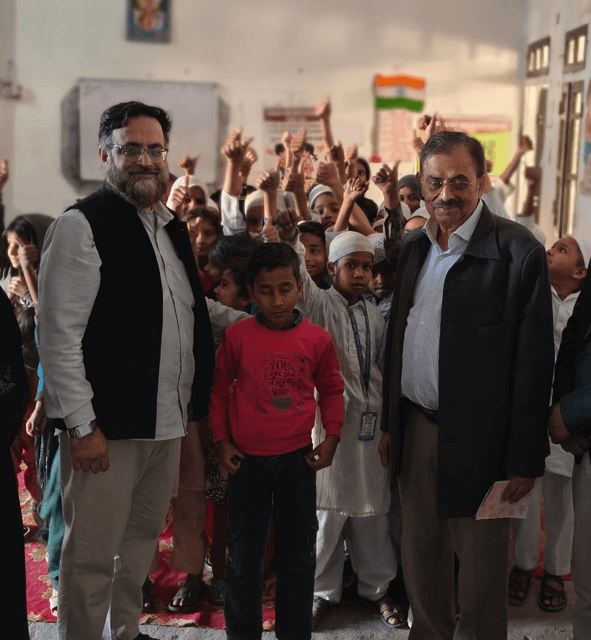
Mr Amri Abidi noted that, in addition to academic tutoring in key subjects, special emphasis is placed on life skills at the coaching center to help children grow into good citizens and socially responsible individuals.
Mr Zahid Jamil also launched the book “Mewat’s Education: A Quest from Darkness to Light”, authored by the School Principal, Mr M D Sajid. Other dignitaries present at the event included Mr Sabir Hussain of the Haryana Police and Mr Mohammad Javed, Director of Country Grammar School.
On 22 December, Mr Zahid Jamil and Mr Amir Abidi visited the historic town of Tonk in Rajasthan, where the IMESA project is being implemented at two locations.
Tonk, an ancient town established during the Mughal era, is renowned for its beautiful architectural heritage, including old havelis and mosques. The Nawabs of Tonk were great patrons of literature, and one of them established a remarkable library housing rare Persian and Arabic manuscripts.
IMESA currently conducts its classes at the Regional Senior Secondary School for secondary-level students and at Nehru Children Academy in the underprivileged locality of Baheer for primary-level students. The Project Manager, Mr Imadur Rahman, informed the visiting guests that more than 100 students are presently enrolled in after-school tutoring classes.
During the visit, Mr Zahid Jamil awarded certificates to the winners of the calligraphy competition organised as part of the Taraqqi Arts India Festival.
The event was attended by several distinguished guests, including the District Minorities Chairman Mr Nitesh Jain, Mr Khalilurrahman, former President of the Rotary Club, and renowned calligraphers Khurshid Alam and Zafar Raza Khan.
Addressing the gathering, Mr Jamil highlighted the valuable contributions of the Australian diaspora towards the noble cause of educating underprivileged children in India.
He also appreciated the dedication of the IMESA team in successfully running similar educational initiatives across 13 centres throughout the country. Mr Jamil further interacted with students in their classrooms, encouraging them in their academic pursuits.
The students presented a brief cultural programme and expressed their gratitude by presenting Thank You IMESA cards to the guests, making the visit both meaningful and memorable.
On 4 January, Mr Zahid Jamil visited IMESA’s Shaheen Bagh tutoring centre in Delhi, where he interacted with students, parents, and staff. He was accompanied by Prof Majid Jamil and Prof Sirajuddin from Jamia Millia Islamia University.
During the visit, students were observed to be highly enthusiastic about their studies and expressed strong ambitions to pursue professional careers in the future. Parents appreciated the dedication and commitment of the teachers and conveyed their gratitude to IMESA for its continued support in their children’s education.
Prof Majid Jamil and Prof Sirajuddin addressed the gathering with inspiring messages, encouraging both students and staff. They also assured their full support in further improving the facilities at the centre.
Lighting a Path in Patna: A Visit to IMESA’s Coaching Centre for Underprivileged Children.
IMESA committee member from Melbourne Mr Syed Asif Hassan, visited IMESA’s centre, tucked within one of Patna’s densely populated slum areas.
This centre, funded by IMESA and run locally by the dedicated project coordinator Mr Tanweer Khan under philanthropist Mr Javed Jamal’s patronage, offers supplementary classes in mathematics, English, and science to children who otherwise have limited access to structured academic support.
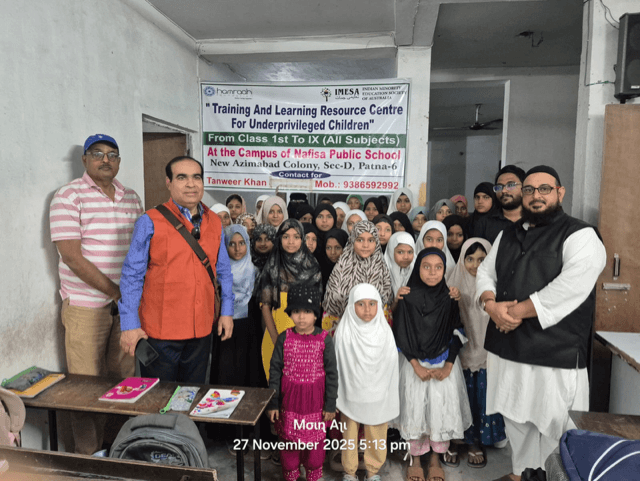
Syed Asif Hassan writes”
Walking through the rubbish strewn narrow lanes leading to the centre, I was reminded of the stark realities these children navigate daily — economic hardship, overcrowded living conditions, and limited educational infrastructure. Yet, the moment I stepped inside the classroom, the atmosphere shifted entirely. The room buzzed with energy, curiosity, and a quiet determination that felt almost contagious.
Meeting the students:
During my visit, I had the opportunity to engage with several students and speak to them individually. Their stories were as humbling as they were inspiring. Many come from families where formal education is a luxury, not a given. Some juggle household responsibilities before and after school. Others walk long distances to attend both their regular school and the coaching classes.
Despite these challenges, their enthusiasm for learning was unmistakable. They spoke openly about their dreams — becoming teachers, engineers, doctors, and police officers. What struck me most was not just the ambition in their voices, but the gratitude. They repeatedly emphasised how the coaching centre had become a lifeline: a place where they could ask questions without hesitation, receive personalised attention, and feel supported in their academic journey.
Conversations with the teachers:
I also spent time speaking with the teachers who run the classes day‑to‑day. I was told 62 students have already been enrolled and there’s a plan to take the number to 100 this year. Their commitment mirrors that of the students. They shared insights into the progress they’ve observed — improved confidence, better school performance, and a growing sense of discipline among the children.
At the same time, they were candid about areas where additional support could strengthen the program. Access to more learning materials, updated textbooks, and occasional teacher‑training workshops were among the suggestions. Their feedback was thoughtful and grounded in the realities of working in such an environment, and it will help IMESA continue refining the project to meet evolving needs.
A project making a measurable difference:
The coaching centre is more than an educational initiative — it is a symbol of possibility. For children growing up in the slums of Patna, opportunities are often scarce and fragile. This project is helping to change that narrative. It offers structure, mentorship, and hope, all of which are essential ingredients for long‑term transformation.
As I left the centre that day, I carried with me not just photographs from the visit, but a renewed appreciation for the resilience of these young learners. Their commitment to education, despite the adversities they face, is a reminder of why initiatives like IMESA’s matter so deeply.
The smiles, the questions, the dreams shared in that small classroom in Patna reaffirmed a simple truth: when given even a modest chance, children have an extraordinary ability to rise.
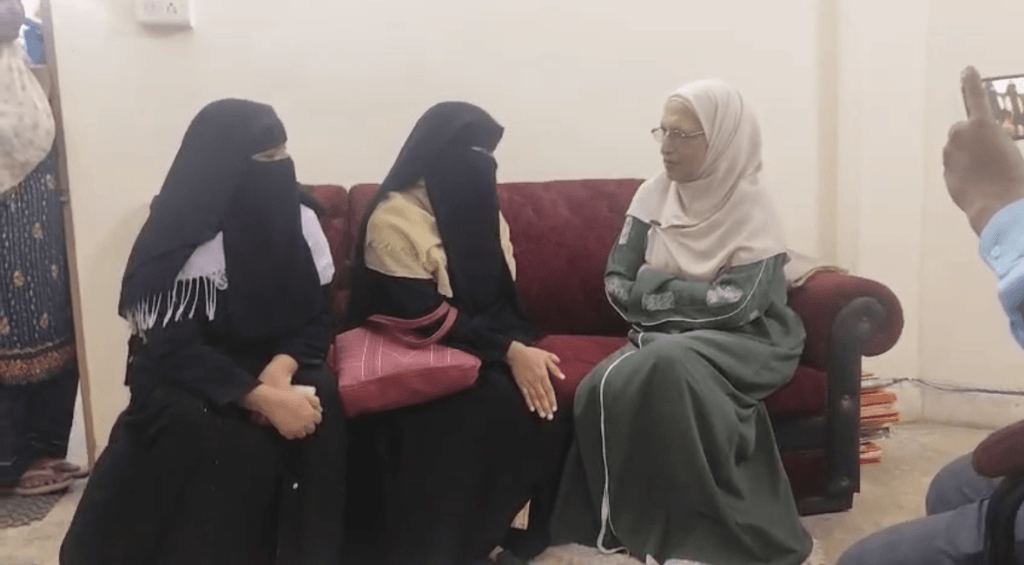
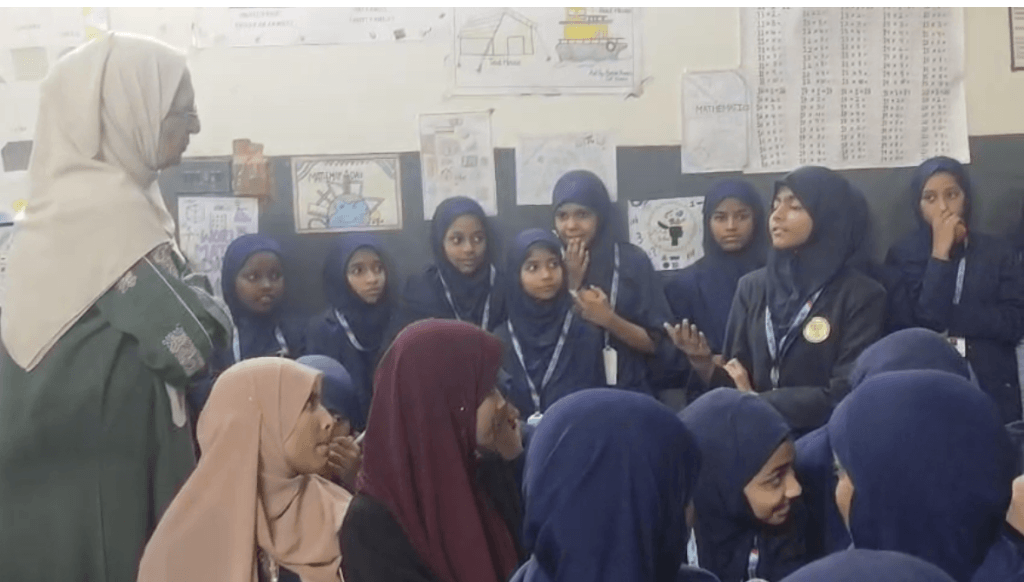
Mrs Firdousi Obeidullah, a senior IMESA patron, visited the Hyderabad Centre during her recent visit. She expressed her appreciation for the students and teachers and interacted warmly with parents, who shared their gratitude with IMESA for providing free tutoring facilities for their children.
IMESA is holding its Annual Iftar Dinner on Saturday 21 Feb as detailed below:
https://events.humanitix.com/indian-minority-education-society-of-australia-imesa-annual-iftar-2026




Comments