


 For doctors in Gaza, the genocide has created a constant threat to both their lives and their ability to save other lives. Since October 2023, over 1700 Palestinian health workers have been murdered by Israel and over 700 strikes have targeted Gaza’s health facilities.
On Wednesday 5 November, I attended an event “Voices from the Frontline: Doctors in Gaza” which was a collaboration between the UNSW Muslim Society, Arab Society and Law Students for Palestine.

The speakers included Dr Saira Hussain, Dr Mohammed Abunada, Dr Wajdi Hadi and Dr Bushra Othman.
The scenes the speakers described were truly horrific. Speakers recounted that after a mass casualty event, hospitals were covered with the bodies of brutally injured people.
Particularly harrowing scenes included limbs kept in cardboard boxes for loved ones, blood splattered on the floor and parents pleading with doctors to prioritise their children.
Dr Wajdi Hadi described the difficulty of knowing which patients to treat, as some seemed unharmed, but had hidden shrapnel wounds which enter and exit the body.

Doctors complained about how they were committed to helping people, but this mission was made difficult due to Israel’s sieges on hospitals, brutalisation of healthcare workers and deprivation of necessary medical resources.
Stories that were shared that will stay with me and I’m sure many attendees, are those of violently injured children.
One patient, a fourteen-year-old boy, who had been shot in the neck with the bullet going through his cheek. Another patient, 10-year-old Ahmed, had his leg amputated.

We were shown a heartbreaking video of him crying in pain and mourning his leg, wearing Ronaldo soccer shorts. Another patient, Yaman, aged just one, was retrieved from under the rubble, with pieces of shrapnel being extracted by doctors from his lungs.
Despite the trauma and hardship of being a doctor in Gaza, all of the speakers’ resilience was astounding. Some doctors volunteered more than once in Gaza’s hospitals, many thanked us at the beginning of their presentations, as though our attendance of the event compared to their heroic bravery.
Many doctors left their friends, families and children to go on humanitarian journeys, some doctors made jokes and laughed with us during their presentations.
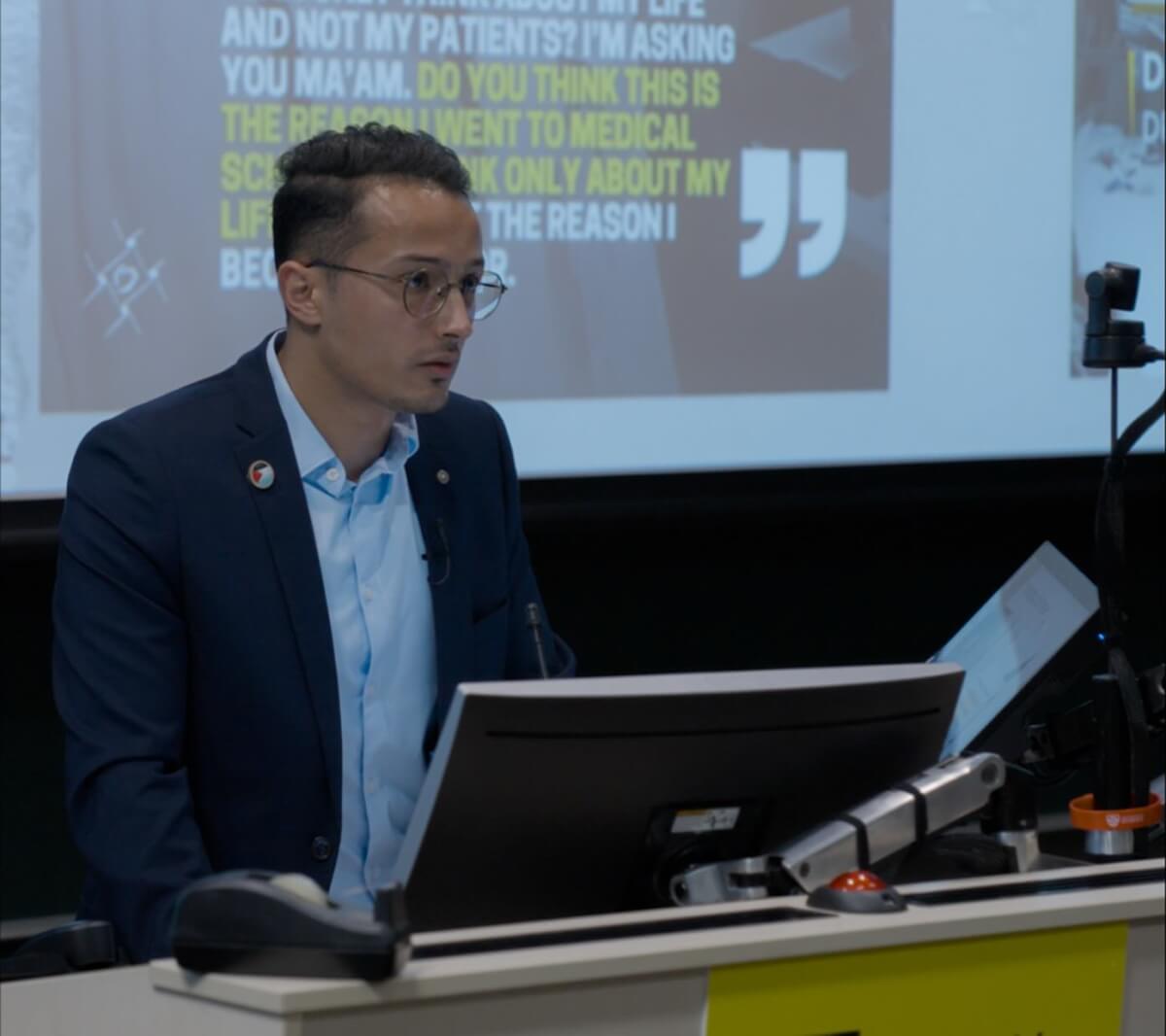
As always, while the genocide demonstrates the darkness and cruelty of the imperial Israeli regime and its abettors, it also demonstrates the courage and resilience of the Palestinian people and their supporters.
Doctors to follow on Instagram in support of their efforts are @mohammedharar2, @jeme_salha, @ahmadferwana, @dr.mahmoud_mahani @sara_alsaqqa and @ezz.lulu.
Unfortunately, many other brave health workers have been martyred or are missing, and were acknowledged by the presenters, like Dr Tah AlDeen Shaat, Mahmoud Abu Amsha, Ibrahim Kishko, Basel Mahdi, Nahid Al Harazin, Marwan Sultan and Maher Abunada.
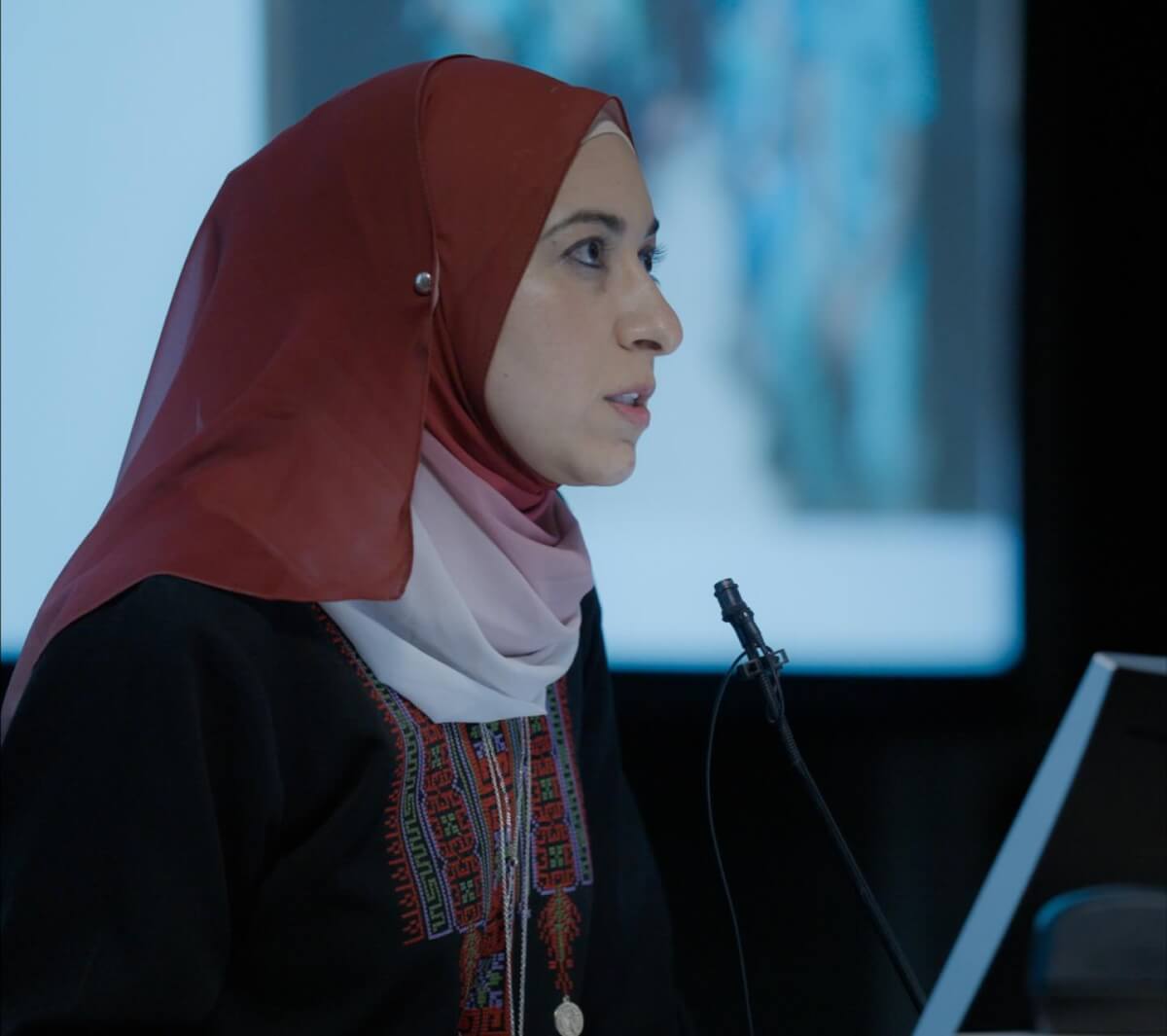
Speakers shared their frustration with the ceasefire, which has not relieved the mass murder, starvation and deprivation of Gaza’s people. They urge us to call for real peace, to be deliberate with our language, and to support numerous organisations tasked with medically supporting Gaza such as IDEALS, MAP or PANZMA.
At the conclusion of one presentation, we were left with the words of Mahmoud Darwish, a talented and martyred Palestinian poet. The poem demonstrates how no one is safe in Gaza, and those who risk their lives to document the genocide, save its victims or advocate for liberation are often the ones targeted disproportionately by the cruelty of the Israeli regime.
“And if they ask you about Gaza, tell them:
In it there is a martyr,
nursed by a martyr,
photographed by a martyr,
sent off by a martyr,
and prayed for by a martyr.”





Comments