


In today’s busy and rapidly changing world, Muslim youth like me find ourselves standing at the crossroads of two essential aspects of life: Deen (religion) and Dunya (worldly affairs). Balancing Deen and Dunya involves being conscious of one’s deeds and ensuring that they align with the teachings of Islam.
As Muslim youths, it becomes imperative for us to strike a delicate balance between these realms, ensuring that our spiritual journey remains steadfast while actively engaging with the challenges and opportunities presented by the world.
These practical tips provide valuable guidance for Muslim youth leaders as we navigate our commitment to faith alongside responsibilities in the secular sphere.
Seven essential tips for Muslim youth leaders:
1. Building a support system: Surround yourself with like-minded individuals who understand the importance of balancing Deen and Dunya. Seek mentors who can guide you in both spiritual and professional matters. A supportive community can serve as a pillar of strength during challenging times, fostering a sense of belonging and purpose.
2. Establishing a solid foundation: Before venturing into the complexities of leadership, it is crucial to lay a strong foundation in one’s faith. Regular prayer, Quranic study, and a connection with the community are fundamental building blocks. This foundation serves as a source of strength when faced with the diverse challenges of leading in a secular world.
3. Integrating faith into leadership: As a Muslim youth leader, integrate Islamic values into your leadership style. Uphold principles such as justice, compassion, and humility in your interactions. Showcase the positive impact of faith in your decision-making process, promoting a harmonious environment that encourages both personal and collective growth.
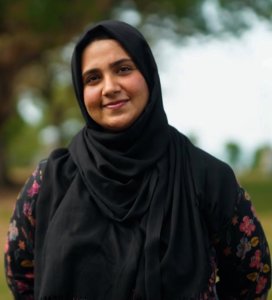
Hajrah Kamran: “Balancing Deen and Dunya is a journey of faith and dedication. As I work to harmonize spiritual values with everyday responsibilities, I hope to inspire other young people to find their own path to equilibrium and purpose during their busy lives.”
4. Self-care: Taking care of your well-being is crucial for maintaining balance. Adequate rest, exercise, and mindful practices contribute to a healthy lifestyle. When you are physically and mentally well, you are better equipped to fulfill your religious and secular responsibilities.
5. Continuous learning: Never cease to seek knowledge, both religious and worldly. Enrich your understanding of Islam while staying abreast of developments in your field. This dual pursuit not only enhances personal growth but also equips you to navigate the challenges of the secular world with wisdom and insight.
6. Time management: Efficient time management is key to balancing Deen and Dunya. Create a realistic schedule that allocates dedicated time for religious obligations, work, studies, and personal development. Prioritize tasks based on their importance and deadlines, ensuring that religious commitments are non-negotiable.
7. Leading by example: Exemplify the teachings of Islam through your actions. Demonstrate integrity, honesty, and kindness in all your dealings. Your character serves as a powerful tool for conveying the beauty of Islam to those around you, fostering a positive image of Muslims in the broader community.
The Quran is the ultimate guide for Muslims, provides profound insights into the principles of balancing Deen and Dunya. Incorporating these Quranic teachings into the daily life of a Muslim youth leader serves as a guiding light, providing wisdom and clarity in the pursuit of a harmonious balance between the spiritual and worldly aspects of existence.
The Quran serves as a timeless source of guidance, offering principles that resonate with the challenges and responsibilities faced by Muslim leaders in the contemporary world. Some verses that highlight the importance of maintaining equilibrium between religious obligations and worldly affairs:
Surah Al-Baqarah (Quran 2:197):
“And take provisions, but indeed, the best provision is Taqwa (piety, righteousness). So fear Me, O you who are understanding.”
This verse emphasizes the importance of preparing for the journey of life, both in material and spiritual aspects. While worldly provisions are necessary, the ultimate provision is Taqwa, or mindfulness of Allah, which guides one’s actions in both spheres.
Surah Al-Kahf (Quran 18:7):
“Indeed, We have made that which is on the earth adornment for it that We may test them [as to] which of them is best in deed.”
This verse reminds believers that the adornments of the world are a test from Allah. While engaging with the worldly life, Muslims are encouraged to strive for excellence in deeds, ensuring that their actions align with the principles of Deen.
Surah Al-Baqarah (Quran 2:286):
“Allah does not burden a soul beyond that it can bear…”
This verse reassures believers that Allah, in His wisdom, does not burden them beyond their capacity. Understanding this principle helps Muslim youth leaders manage the responsibilities of both Deen and Dunya without feeling overwhelmed.
In our daily prayers, we connect with Allah and find guidance and discipline. I believe that praying five times a day helps us stay grounded in the midst of our busy lives. Each prayer is like a pause button, giving us moments to think, repent for our mistakes, and be grateful to Allah for his endless blessings.
These prayer moments help Muslim youth leaders stay focused and clear-headed as they lead. It is like having a compass that keeps us going in the right direction. Praying helps us remember our values and stay on track, making sure we balance our faith and our responsibilities in the world. It is a simple yet powerful practice that keeps us connected to our faith, guiding us in all aspects of our lives.
Finally, navigating the intersection of Deen and Dunya as a Muslim youth leader is both a challenge and a rewarding journey. The practical tips shared, rooted in the wisdom of the Quran, offer a roadmap for harmonising faith with worldly responsibilities.
Building a supportive community, establishing a strong foundation in faith, integrating Islamic values into leadership, practicing self-care, continuous learning, efficient time management, and leading by example are crucial aspects to strike a balance.
As we journey through this dynamic and fast-paced world, the timeless guidance of the Quran serves as an inspiration of wisdom, reminding us of the importance of maintaining equilibrium.
Furthermore, the simple yet powerful act of daily prayer becomes a compass that keeps us grounded, providing moments of reflection and connection with Allah.
With these tools in our hand, Muslim youth leaders like me can contribute meaningfully to their communities, embodying the principles of Islam in both their spiritual and worldly pursuits.
May our path be guided by wisdom, faith, and a commitment to excellence, leaving a positive impact on the world around us.






Comments