

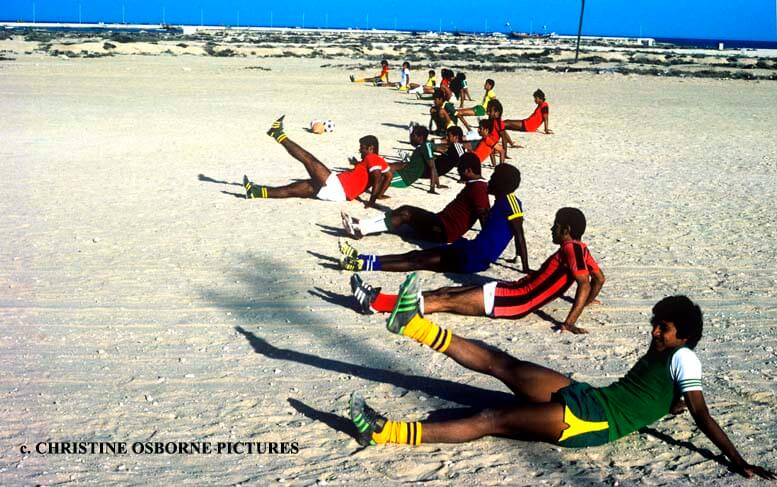
The latest estimate puts Qatar’s expenditure to host the 2022 FIFA World Cup at $300 USD billion, a massive amount but intended as part of its general development plan and let’s be honest, with a GDP of $179.6 billion (oil and gas), the country can afford it.
While first ball has been kicked, the furore over Qatar’s abrupt decision to cancel beer sales in its eight new stadiums continues – Budweiser, the American beer company who paid FIFA $75 million to sponsor the event, must be soiling themselves.
The choice of Qatar for the 2022 World Cup has been contentious from the start and rough weather lies ahead for football fans who dare to flout local sensitivities.
Never mind the alleged deaths of an estimated 6,500 migrant workers toiling in torrid conditions on construction sites. And please don’t mention the LGBTI+ word. In an interview with German broadcaster GDZ, a Qatari ambassador for the Cup declared “homosexuality was damage in the mind.”
But back to alcohol which everyone knows is haram for Muslims.
A Muslim state, Qatar has always been dry. In 1975 when I visited it to research a book, the only place a foreigner could get a drink was Room 101 (hush-hush) in the Gulf Hotel in capital Doha.
Returning the following year to check on progress – unhurried due to the Emir’s resistance to change – I was informed by an airport immigration officer that I had written “bad things about Qatar”.
“I haven’t written anything yet,” I protested, but I was put on a plane to Bahrain.
Evidently I resembled Linda Blandford, an American writer whose book Oil Sheikhs, lampooning the oil-rich Arab lifestyles, was causing shock waves in the desert kingdoms.
Ultimately I did return on several occasions, the penultimate time in 1995 when development had started under new ruler Sheikh Hamad bin Khalifa al-Thani (he who managed to persuade FIFA to hold the Cup in Qatar).
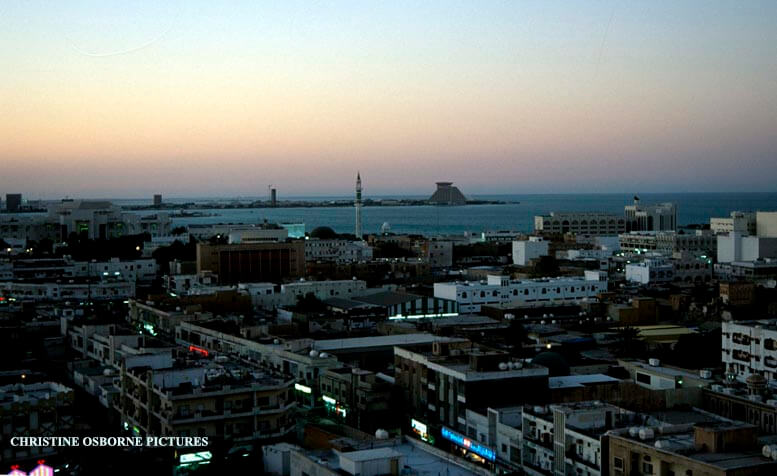
OLD VIEW ACROSS WEST BAY, DOHA, WITH THE SHERATON HOTEL DISTANCE
The traditional old coral limestone mansions of former pearl divers were being demolished and modern buildings were rising along the shores of Doha’s West Bay. Needing to visit the Ladies Room in a new National Library, I was told that “ladies could only use the toilet on a Thursday”. It being Monday, this meant rather a long wait.
As stories emerge of incomplete fan rooms and a tsunami of other glitches, I have a sense of deja-vu after my own experiences in the Arab Gulf States in their early days of development. There were no tourists then. The only visitors were European salesmen flogging everything under the sun and it was a mad, mad world of cranes, cables and cement mixers.
Due to leave Doha on another occasion, I was stopped because my complimentary ticket on the newly launched Qatar Airways said I was STAFF. And staff may not fly today was the explanation as my flight left for London without me.
Media coverage of the Cup is likely to be as colourful outside the state of the art stadiums as it is within. It started with a blistering attack on the West for criticising Qatar by FIFA president Giovanni Infantino.
Footnote: Pakistan, while not competing, has supplied the 3000 handmade soccer balls to be used in the tournament, as great an honor as participating.
Christine Osborne is author of OLD GULF COAST DAYS: QATAR 2018 and The Gulf States and Oman, 1977-2019.


Comments