

▶️ WATCH ABOVE: Interview with Bilal El-Hayak on ‘Uncommon Ground’
🎧 LISTEN on: Spotify | Apple Podcasts | Web
An immigrant elected mayor of one of the largest cities in the country. A community-minded public servant who puts people before politics. A local resident passionate about his multicultural city, home to nearly 200 nationalities. And he is also the first Muslim elected to such a role.
You may think this article is about Zohran Mamdani, the superstar Mayor of New York City. Instead, it’s about another unlikely mayor, this one much closer to home: Bilal El-Hayak, Mayor of Canterbury-Bankstown.
Unapologetic in his focus on supporting the community, Clr El-Hayek has led the city since 2023. With origins in youth work and a passion for serving in practical, grassroots ways, his reputation for hard work and pride in his city is well-founded.
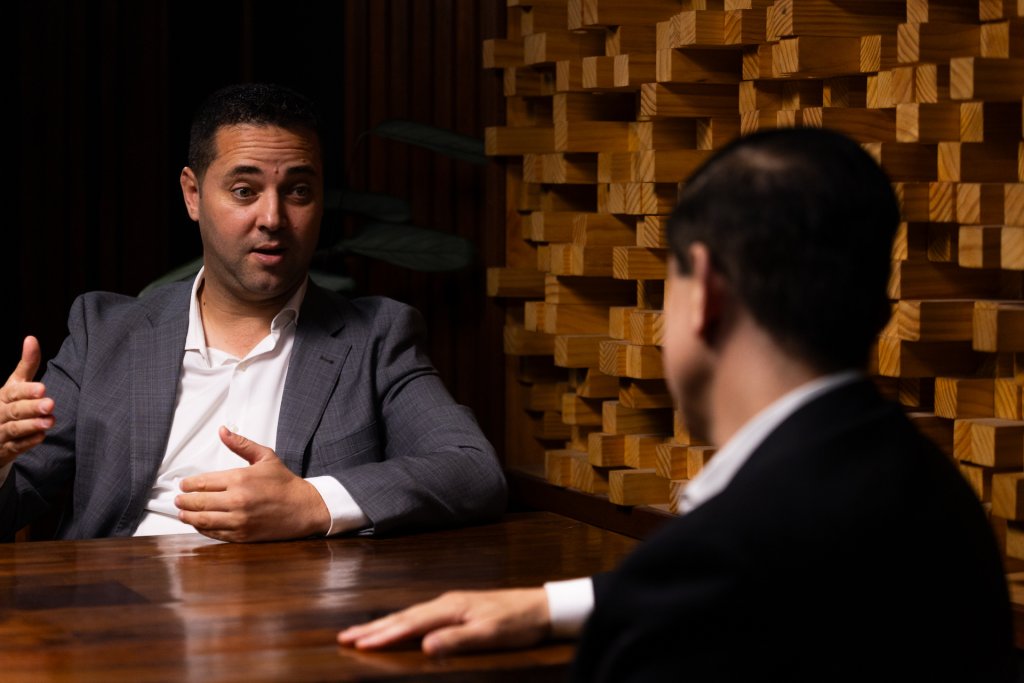
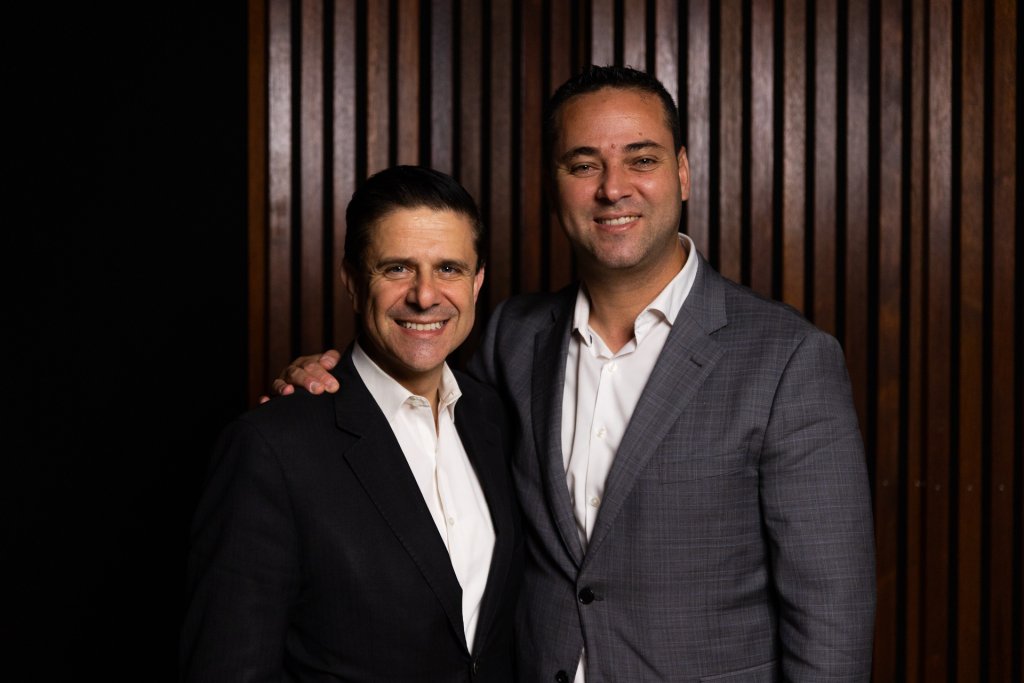
Recently, he shared his story on Uncommon Ground with Professor Talal Yassine, from arriving in Australia as a 12-year-old who couldn’t speak a word of English to being elected to the top job in one of the country’s largest Local Government Areas.
At a time when social cohesion is at its lowest in decades, this is a vital conversation about community, service, generosity and treading your own path, even when it deviates from expectations.
“If you work hard, the opportunities will come”
Originally from Tripoli, the El-Hayeks arrived in Australia in 1999 and immediately got to work — learning the language, studying, and becoming part of the community in south-western Sydney —eventually settling in Punchbowl.
The third-youngest in a family that highly valued education — his eight siblings include several teachers, a radiographer and an aeronautical engineer — Bilal didn’t enjoy school and knew the traditional route of study wouldn’t provide the opportunities he craved.
At sixteen, he established a karate dojo in Lakemba to help young people in his community. He wanted pursue a trade after high school, but instead chose to honour his parents’ wishes and enrolled in an electrical engineering and computer systems course at TAFE.
Soon after, a local charity offered him a job and, never one to shy away from opportunity, Bilal accepted. It proved to be the first step in an unexpected direction. What began in grassroots charities such as Human Appeal and The Smith Family became another decade as a youth social worker at PCYC, his passion for helping young people overcoming the fact that he’d never studied social work.
While working for PCYC, he oversaw a revitalised program of school camps, activities and leadership courses for the city’s young people, further cementing his valued place in the community and his firm belief that the public service was there to serve everyone.
Eventually, he found himself on the radar of the local Labor Party. While maintaining his work at PCYC, he spent several years volunteering in both a grassroots capacity and with Young Labor. He ran for Council in 2017 and was elected Deputy Mayor, a role he held until his election as Mayor.

Rising prejudice and racism
The El-Hayeks arrived in Australia in 1999, amidst a marked rise in Islamophobic sentiment. He’d like to say that things have changed, but the prejudice and outright racism haven’t gone away. If anything, they’ve increased.
According to the Islamophobia Register of Australia, in-person instances of Islamophobia have more than doubled in the past two years, and online discrimination has more than tripled.
Thanks in part to certain media commentators and politicians driving an anti-immigration agenda, there has also been an increase in public debate on the merits of a multicultural Australia. This is despite more than half the population having been born overseas themselves, or having a parent who was, and 83% of Australians feeling positive about our diverse culture.
Like Mayor Mamdani in New York, Mayor El-Hayek has faced significant backlash both as a Muslim and as the figurehead of a culturally diverse city. Just before Ramadan this year, Pauline Hanson appeared on Sky News and asked how anyone can suggest that “good Muslims” exist.
Hanson also alleged that suburbs with large Muslim populations were not safe for Australians, specifically naming Lakemba, a vibrant, multicultural suburb of Canterbury-Bankstown. As host of the much-loved Lakemba Nights During Ramadan, which is attended by well over a million people from all over Sydney every year, the suburb is a perfect example of this country’s largely harmonious multiculturalism.
To hear part of his city disparaged by someone wanting to drive anti-immigrant, anti-Muslim sentiment left El-Hayek with a choice: react with anger or extend the hand of generosity.
Generosity won. El-Hayek personally invited Pauline Hanson to visit Lakemba during Ramadan. She was “the only politician to actually receive an invitation. The rest [being the Prime Minister, Governor General and numerous State and Federal MPs] just rocked up.”
When Hanson didn’t accept the invitation, the mayor decided to send Lakemba to her, creating a gift basket for the One Nation leader that included treats from local Bengali, Lebanese, Greek and Chinese businesses. Last he heard, the gift was reported to the Federal Police as a security threat.
“It’s called democracy, man.”
It’s an uncomfortable truth of modern politics that creating division can and often does deliver short-term political wins, but El-Hayek believes the cost of grievance politics is far too great. “Not everything is about politics. It’s more about how we bring people together. How do we learn to respect, tolerate, understand and accept? You are who you are. I am who I am. If I can support you, great. If I can’t agree with you, I don’t agree with you. It’s called democracy, man.”
So, how does he deal with the inevitable tension that comes from not being able to please everyone? Every night, before bed, he asks himself two questions. ‘Have I hurt anyone?’ and ‘Have I tried my best?’ A no and a yes, respectively, ensure a good night’s sleep.
It’s possible, however, that Mayor El-Hayek’s best goes beyond that of most people. He continues to lead with action, still working one day a week as a youth worker at PCYC in addition to his mayoral duties and his role as father and husband.
As Zohran Mamdani said during his inauguration, “While only action can change minds, I promise you this: I am your Mayor. Regardless of whether we agree, I will protect you, celebrate with you, mourn alongside you, and never, not for a second, hide from you.”
Politics aside, it appears the two men have far more in common than a shared faith and immigrant origin stories. The residents of both New York and Canterbury-Bankstown stand to benefit from mayors who put people first and want their cities to be embraced as places of diverse, vibrant cultures.
You can listen to the full Uncommon Ground interview by clicking on the link at the top of this article.




Comments