


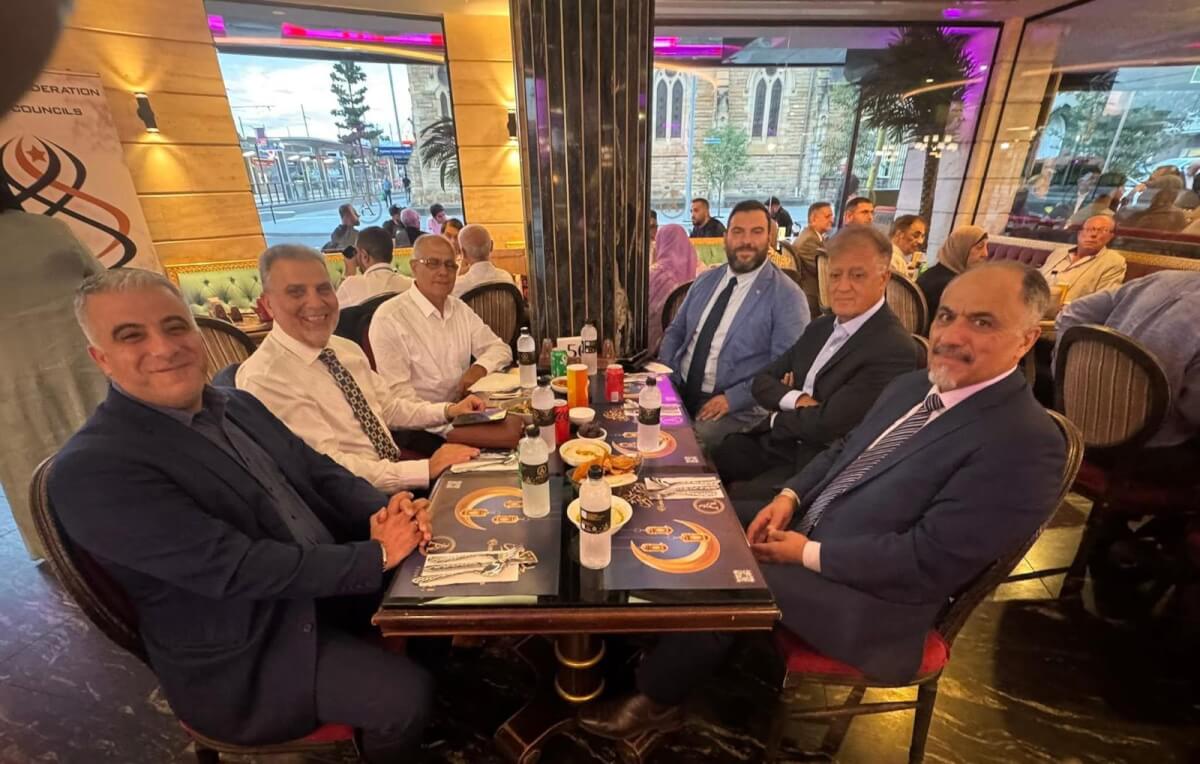
The Australian Federation of Islamic Councils (AFIC) hosted a major Ramadan Iftar reception at sunset on Monday 23 February 2026 evening at Armani Restaurant in Parramatta bringing together distinguished guests from across government, faith communities, academia, law enforcement and civil society including the Bondi hero Ahmed al Ahmed.
The evening was professionally emceed by Mr Keysar Trad, Member of the AFIC Executive Board.

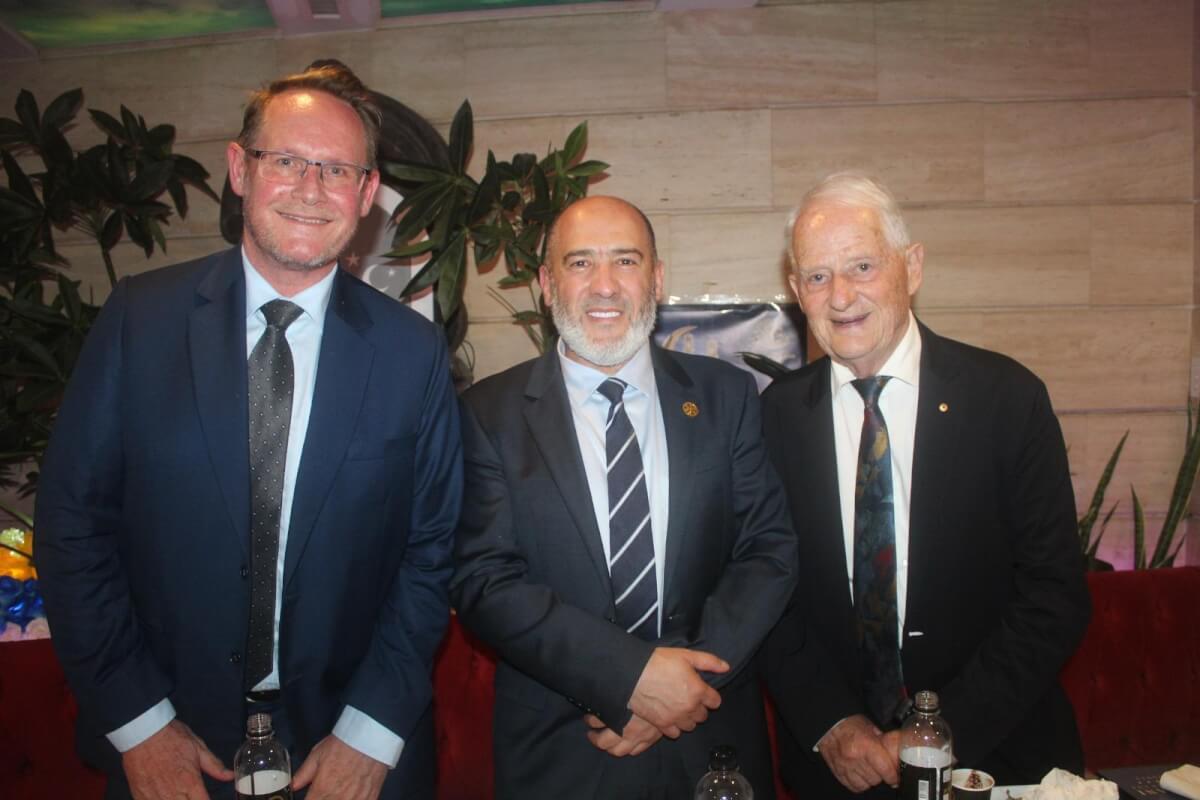
Among the distinguished attendees were Members of Parliament Donna Davis (representing Minister Stephen Kamper), Anthony D’Adam, and Julia Finn; Member of the Legislative Council Kate Faehrmann; former Minister and Member of Parliament Philip Ruddock; senior representatives of federal and state agencies; mayors and councillors; religious leaders; community representatives; academics; and members of the media.
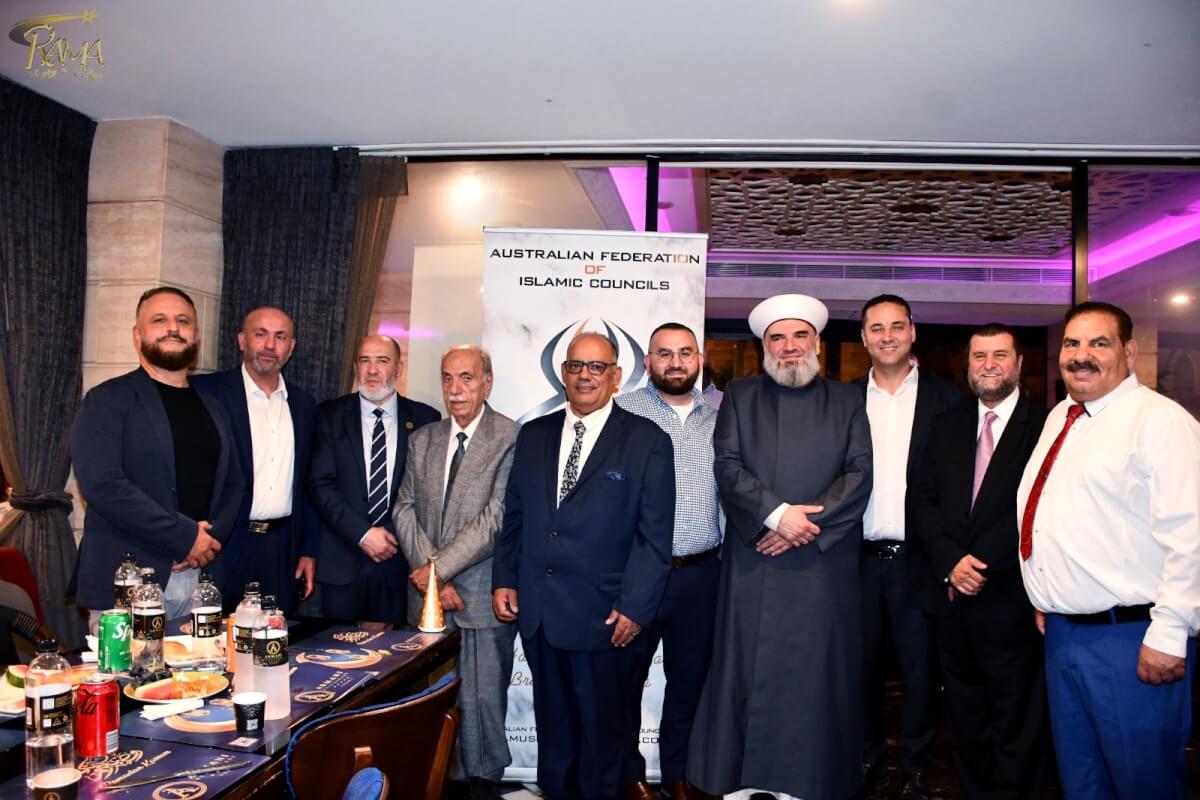
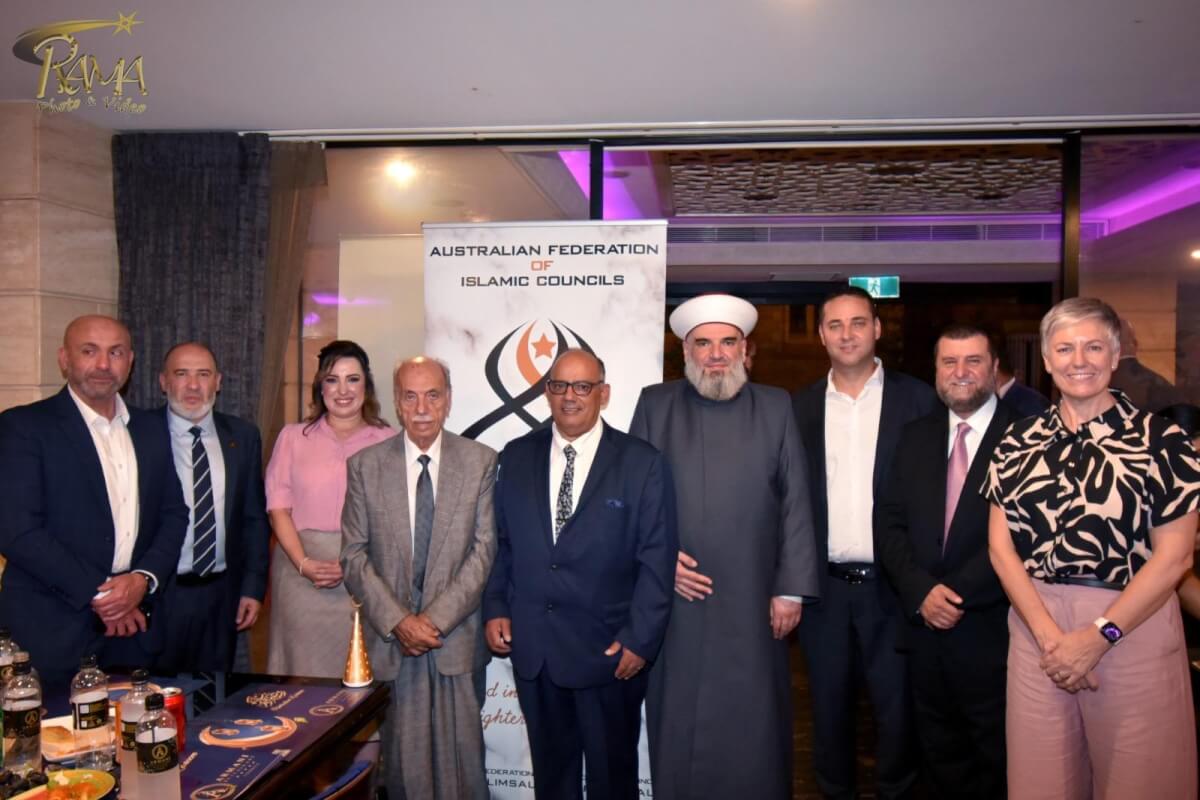
Also in attendance were the Grand Mufti of Australia, Sheikh Dr Riyad Al-Rifai; the Consul General of Pakistan, Mr Qamar Zaman; Mayor Bilal El-Hayek of Canterbury-Bankstown and Deputy Mayor Rachelle Harika; Mayor Ola Hamed of Cumberland; senior representatives of the Australian Federal Police and the Department of Home Affairs; prominent academics including Professor Razeen Sappideen and Professor Caroline Sappideen; as well as leaders of Islamic organisations and community institutions from across Australia.
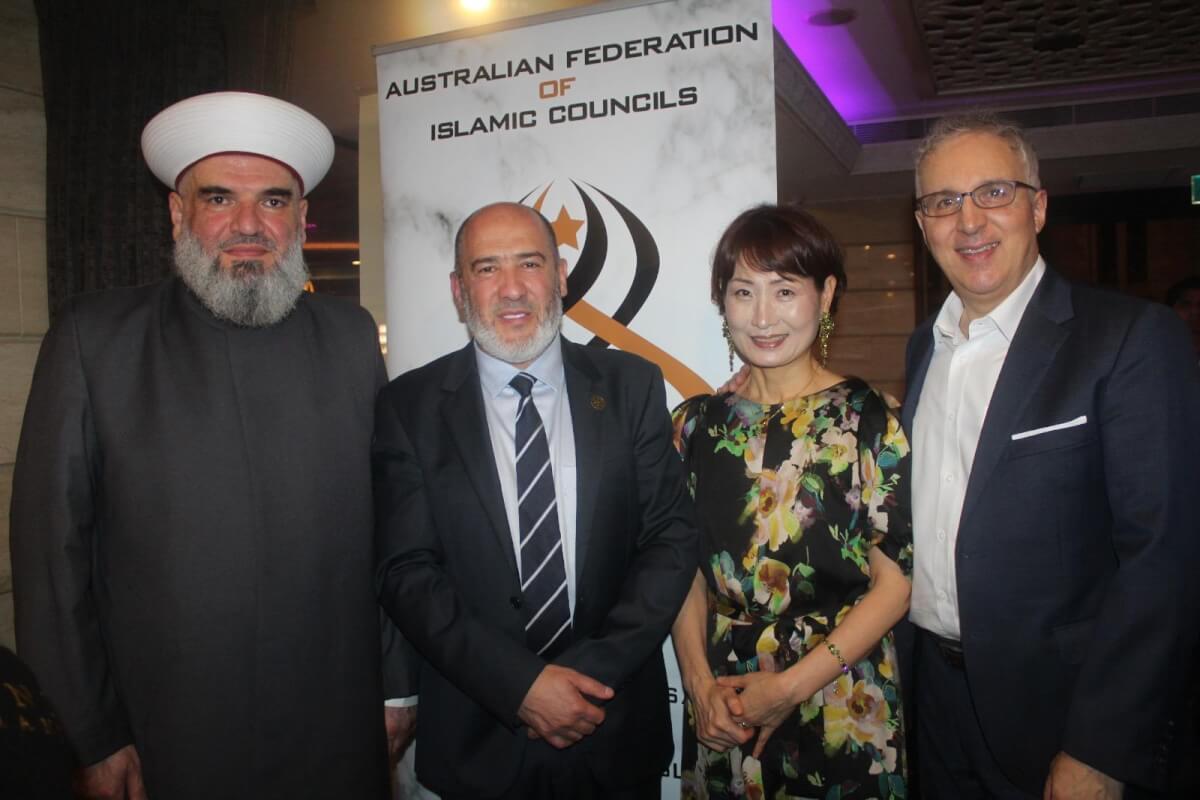
Address by the Grand Mufti of Australia
The formal proceedings commenced with an address by Sheikh Dr Riyad Al-Rifai, Grand Mufti of Australia.
In his remarks, the Mufti reflected on the spiritual significance of the blessed month of Ramadan as a time of mercy, compassion, discipline, and moral renewal. He emphasised that Ramadan is not merely a period of fasting, but a transformative spiritual school that nurtures individual character, strengthens communal bonds, and reinforces shared ethical responsibility.
He underscored that gatherings such as this Iftar extend beyond the sharing of a meal; they represent a coming together of hearts, values, and collective responsibility.
The Mufti also addressed pressing humanitarian concerns, particularly the ongoing suffering in Gaza, describing it as a moral test for the global conscience. He called for justice, compassion, and responsible leadership, while reaffirming the importance of measured public discourse and the rejection of inflammatory rhetoric that undermines social cohesion.
He concluded with prayers for peace, unity, and the well-being of all Australians.
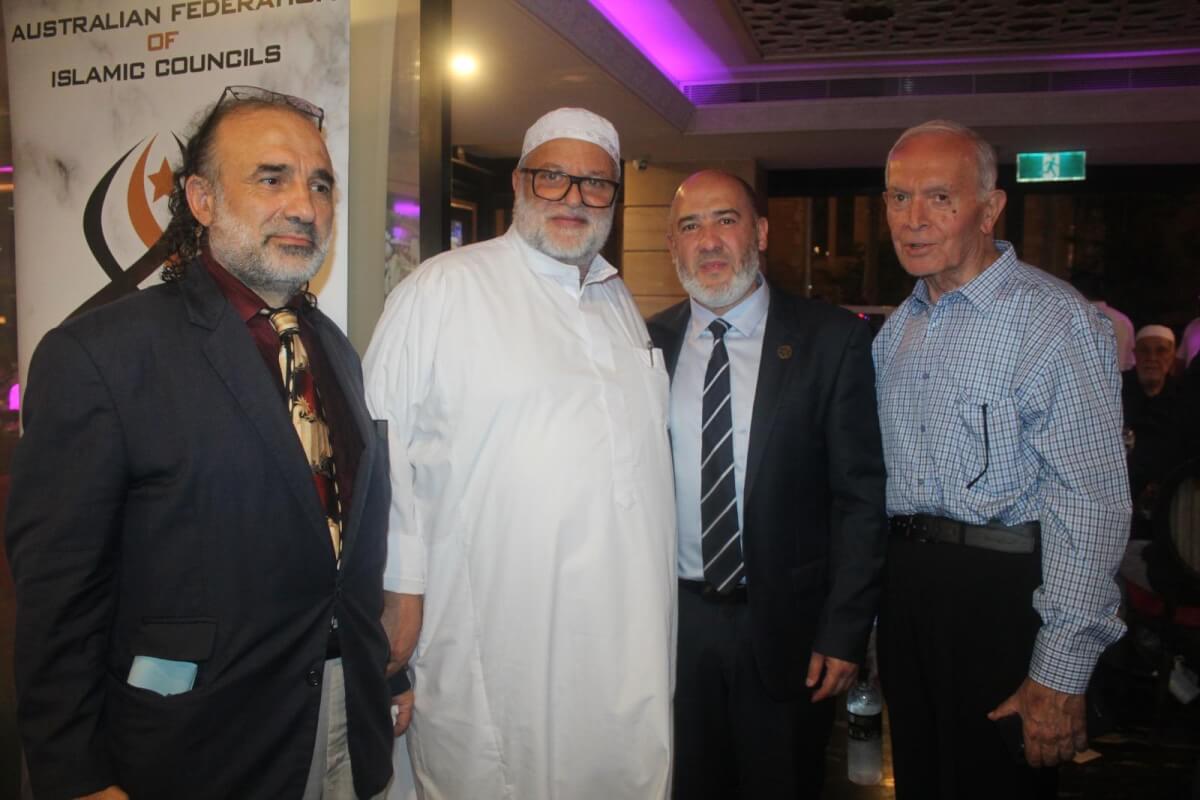
Address by Dr Rateb Jneid, President of AFIC
Dr Rateb Jneid, President of the Australian Federation of Islamic Councils, then delivered the keynote address.
He began by welcoming the Grand Mufti, Members of Parliament, mayors, councillors, government representatives, faith leaders, academics, interfaith partners, and community members. He expressed appreciation for their presence, noting that such participation reflects a shared commitment to mutual respect, cooperation, justice and social harmony.
Dr Jneid paid special tribute to Mr Ahmed Al-Ahmed, recognised for his courageous actions during the Bondi Beach incident. In confronting violence and acting to prevent further harm, Mr Ahmed demonstrated moral courage and a deep commitment to the sanctity of life. Dr Jneid noted that his presence symbolised the shared values that unite Australians across faith and cultural backgrounds.
Reflecting on Ramadan, Dr Jneid described the month as a period that cultivates discipline, patience, humility and empathy. While acknowledging global humanitarian concerns, he reaffirmed the commitment of Australian Muslims to lawful, peaceful civic engagement, constructive dialogue and responsible participation in democratic processes.
Dr Jneid further highlighted AFIC’s ongoing institutional development and strengthened governance frameworks, noting that the Federation is currently supporting approximately eighteen Imams serving in regional and rural Australia. These Imams provide essential spiritual guidance, pastoral care, youth mentoring, family counselling and community leadership in areas where Muslim communities may otherwise experience isolation.
He emphasised that Islam in Australia is neither new nor foreign, but an established and contributing part of the nation’s past, present, and future. Australian Muslims continue to contribute meaningfully to education, healthcare, business, charitable work and civic life, while proudly upholding both their faith and their Australian identity.
Dr Jneid concluded by expressing hope that the spirit of Ramadan would continue to inspire unity, ethical leadership and community resilience long after the month concludes.

Recognition and presentations
During the evening, Mr Ahmed Al-Ahmed was formally presented with the AFIC Shield in recognition of his exceptional courage and humanitarian action in preventing further loss of life.
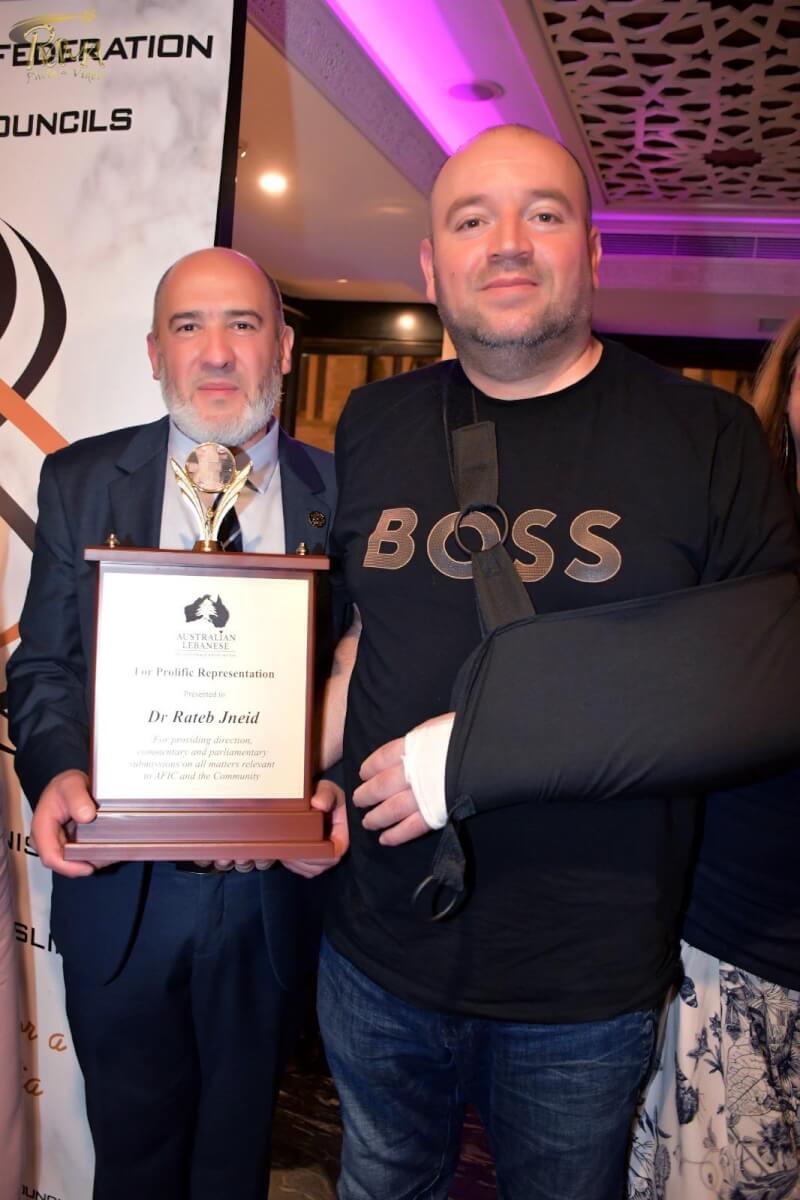
Dr Rateb Jneid was also honoured with commemorative shields from the Australian Lebanese Professionals Association, the Tripoli Al-Fayhaa Group, and the Logan City Islamic Association, in recognition of his leadership and his role in strengthening institutional unity and advancing the Federation’s standing within both the Muslim community and broader Australian society.





Comments