

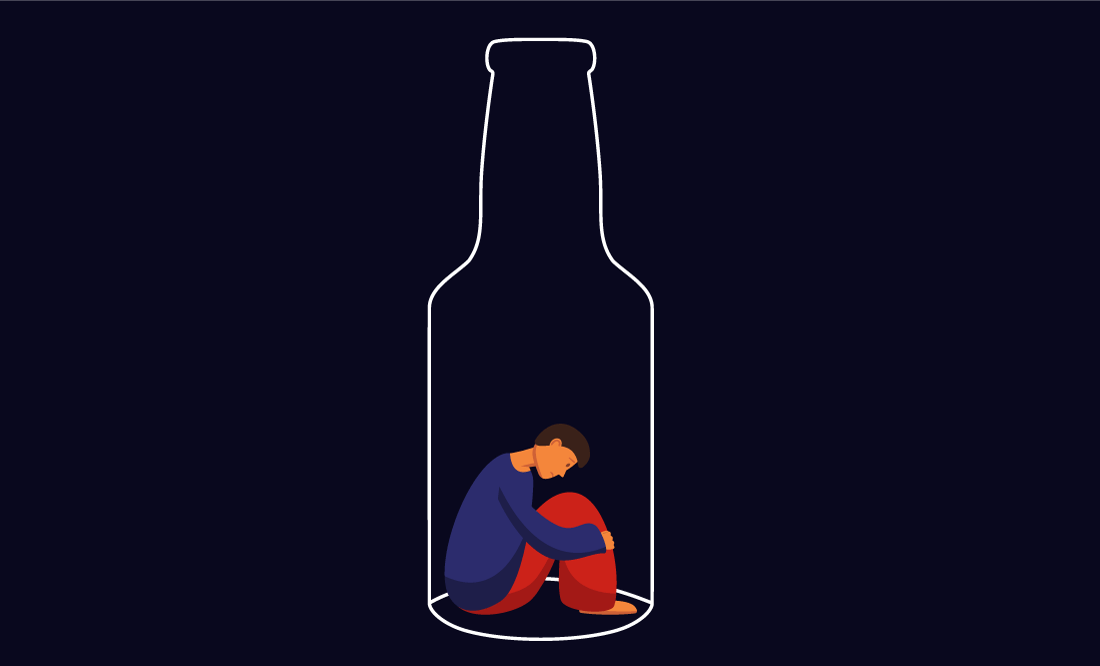
According to Australian Bureau of Statistics, 25% (some 5 million) of Australians exceeded the health guidelines of alcohol intake in 2020-21. However, a quarter reported a decreased consumption compared to previous census. This may be partly due to new immigrants and partly due to new perceptions.
Even though alcohol is an absolute taboo in Muslim societies and frowned upon in almost all Eastern religions and philosophies, its use is locally endemic – even in places like Saudi Arabia. Here, and everywhere, affluence is directly related to alcohol consumption.
Depending on their state of economy and safety nets, users of alcohol are at the mercy of their societies. Herein lies the concern: who pays the bill when pleasure becomes painful to self and the family.
Spread of alcohol
As humans settled into agrarian life, more than 7000 years back, a few realised the highs of the rotting grain: a feeling of ‘relaxation’, even though the early beer was cloudy, smelly and bitter.
Soon wine (a beer made up of grapes) was used in ceremonies and rituals – in small doses, to the select few.
When distillation was mastered in the Middle East for the making of perfume, the same process was used in Europe to concentrate more alcohol from the fermented liquids.
Now, smaller volumes of distilled alcohol (referred to as liquor, spirits, etc) made its transport easier to ever longer distances. Examples include brandy (distilled from wine), absinthe (flowers/herbs), gin (plant-based), rum (sugarcane), gin (agave plant), vodka/whisky (grains).
Away from Europe, the colonisers weaponised alcohol to control the workers, the natives and the slaves. They came willingly, and complied: “Wine and sugar were consumed at breakfast; at 11:00 and 4:00 workers broke for their ‘bitters’; cider and beer were drunk at lunch and toddies for supper and during the evening”. They lived their short lives on empty carbohydrates of alcohol.
The 18th-century industrialisation of distillation process helped spread alcohol to the middle class: they felt ‘respectable’ on par with the nobility and clergy. In 1950’s, this respectability was offered to the women; eg. in Germany ‘Frauengold’ (Women’s gold) was marketed widely as a ‘herbal drink’ to help women ‘relax’. The drink had 16.5% alcohol, equivalent to wine.
In the times of scarcity, the elite hoarded it: the spigot was opened to the few and the favoured. In the times of plenty, alcohol was taxed. The system (manufacturers, distributors, outlets) has heaved on the consumer, throughout our histories.
So what is alcohol
The workings of the human brain is dependent on harmonious relationship between various chemicals. Alcohol (a chemical compound containing carbon, oxygen and hydrogen) interferes with brain chemicals, in a way that we do not fully understand this game of the molecules.
Frustratingly, just like tobacco, we do not know which individual will be the potential victim. At the population level, we know the harm to the society is unequivocal.
Effects in the short term
In small amounts, alcohol causes changes in these chemical that leads to loss of self-restraint or inhibition. This makes us feel confident, even brave.
However, as the amount increases, lack of awareness triggers angry and aggressive response – making a person a risk to self and others. Depending on situations, one cannot predict the transition from a seeming confident state to an horrible nuisance state.
Further doses depresses the brain’s general activity – making the person very vulnerable to their environment: being robbed of material, dignity or person.
Effects in the long term
In the long term, alcohol effects nerves that control memory, balance and speech.
It also attacks heart muscle and kills liver cells – causing early heart and liver failures.
Effects during various phases of life
Pregnancy:
CDC (Centre for Disease Control) will tell you this: “There is no known safe amount of alcohol use during pregnancy or while trying to get pregnant”. Because alcohol causes a variety of baby problems called ‘fetal alcohol spectrum disorders’ (FASDs).
Childhood:
The old sages were sane enough to realise that any alcohol is harmful for children. Because of its effects on growing brain, these kids will lack coordination, skills and intellect.
Our teens:
Teens generally lack wholistic judgement. Taken alcohol, their confidence shoots to stratosphere.
In Australia, alcohol lurks in the background of many teen deaths: falling off the boats, pool drownings, carjackings and accidents, other impulsive actions that result in deaths.
Youth:
In youth, an age where one begins to acquire life’s skills, alcohol becomes an important cause of problems at work and within families. For some with mental health problems, alcohol’s ill effects may not be appreciated at all.
The Middle Age:
You think you have settled. Yes, alcohol will make you fat. Alcohol is the only food that gives you ‘empty calories’ (that has no nutritional value) which is converted by the body into fantastic fat. Six beers will give enough energy to last the day, equivalent of three meals.
Also, alcohol is addictive. Consumed over long periods, suddenly quitting can cause seizures in strong addicts.
As we become older (middle aged!), our ability to kill cancer cells decreases. Alcoholic beverage is a declared carcinogen: oral cancers are 6-times more common in drinkers: oesophagus, stomach, bowel, liver and breast are all at risk.
The old:
Most old people loses ‘the zing’ of alcohol in their old age, thank goodness.
In those still drinking, mostly for insomnia, alcohol causes balance problems, frequent falls and its complications. If not early dementia.
Why do people drink alcohol
Here are the few major reasons
Religious practice:
Some religions have incorporated alcohol into their essential religious rituals. When people have profound childhood and celebratory memories, it is hard to part with. They want this tradition to pass onto to the next generation.
After more than hundred years of Protestant agitation, the US government tried to ban alcohol in 1920’s. In the ‘Century of Atheism’ – the 20th century – they lost their battle. Many protestants don’t drink alcohol, or drink very moderately.
National pride:
Where religion does not hold ground, alcohol is propagated as some national pride. ‘Oktoberfest’ in Germany is an example.
The organisers will tell you it is not the alcohol that is the problem, it the person drinking that alcohol who is the problem. They will condemn alcoholism and drunkenness, while blessing alcohol itself. It is the contradiction they live with.
Anxiety reliever:
On an individual level, alcohol relieves anxiety and masks depression. Many will like not to be deprived of one thing that relaxes them. Where medical fraternity is oblivious to their affliction, and their acquittance are unheeding, alcohol and other drugs remains their perceived friend.
The fab thing:
Again on an individual level, alcohol consumption is something to brag about; to look fab. This is a normal human emotion.
In 1909, President Roosevelt undertook an African safari where he ‘collected’ more than a 1000 ‘specimen’, half of which were the big games (elephants, lions, rhinos, etc) – to impress European monarchs. Today this is very far from the fab: killing to impress is no fun at all.
What about Fiqhi understanding
For an individual, Quran and Hadith prohibits consumption of sedatives, alcohol being one of them. Wilful losing of sanity and health is heavily proscribed in Islam: science proves alcohol has notoriety in all phases of human life.
On a societal level, alcohol causes clear harm to most of the people and their community’s well being. Thus, governments have every right to limit its use in forms they deem fit.
However, just like tobacco, enthusiastic and proactive use of resources to monitor its use can be a strain on police, judiciary and lawmakers. A graded response remains the more productive approach to vagaries in human nature.
What is totally abhorrent
Treating any human being with contempt, coercion or chastising is abhorrent in the eyes of Islam. The harmful acts are dealt with by introspection, or the authority.
No Martinez should have to put up with any punitive treatment. A person seeking guidance is advised to see a psychologist or addictive medicine clinicians. Where a correction is needed, that treatment is the realm of the judiciary – based on the premise of lessening harm and guided by science.
Why an understanding is needed
While authorities are doing their bit, we continue gentle ‘nudge’ in the community.
Empower people
A knowledge of loss of health, stained relationships and lost assets will make people take better decisions for themselves and their families.
Know the trade-offs
The drinkers expose themselves to negotiate the trade-offs with their families. Loved ones will seek out guarantees against emotional and physical harm from their use of alcohol.
Anxiety should not be a stigma
The wider society should make an effort to understand that anxiety and depression are real, that treatment of underlying causes greatly benefits people going through uncertain and confusing times, that use of alcohol can be a reason for an undiagnosed mental health issue.
By understanding alcohol and its effects on human body, any society can become resilient to its harmful effects.





Comments