


This September, more than 30 mosques and Islamic centres across Australia opened their doors to teach one of the most important skills anyone can learn: how to save a life.
The Australian Islamic Medical Association (AIMA) ran its National Lifesavers Program for the sixth year, delivering free CPR and AED awareness sessions led by Muslim doctors, nurses, allied health professionals and health students.
Part of a global movement
AIMA Lifesavers forms part of the FIMA (Federation of Islamic Medical Associations) International Lifesavers initiative. This global campaign culminates in International Lifesavers Day in late September. It unites Islamic medical associations in various countries to bring bystander CPR and lifesaving skills into mosques and Islamic centres.
Why CPR matters
Every day, around 55 Australians suffer a cardiac arrest outside hospital, and fewer than 8 per cent survive. Most cardiac arrests happen away from hospital: at home, in shopping centres, in parks and even at the mosque.
An ambulance can take 9 to 15 minutes to arrive, and survival drops by about 10 per cent with every minute of delay. In those first critical minutes, the person most likely to make a difference is not a paramedic. It is a family member, a friend or a stranger standing nearby. Bystander CPR can double or triple a person’s chance of survival.
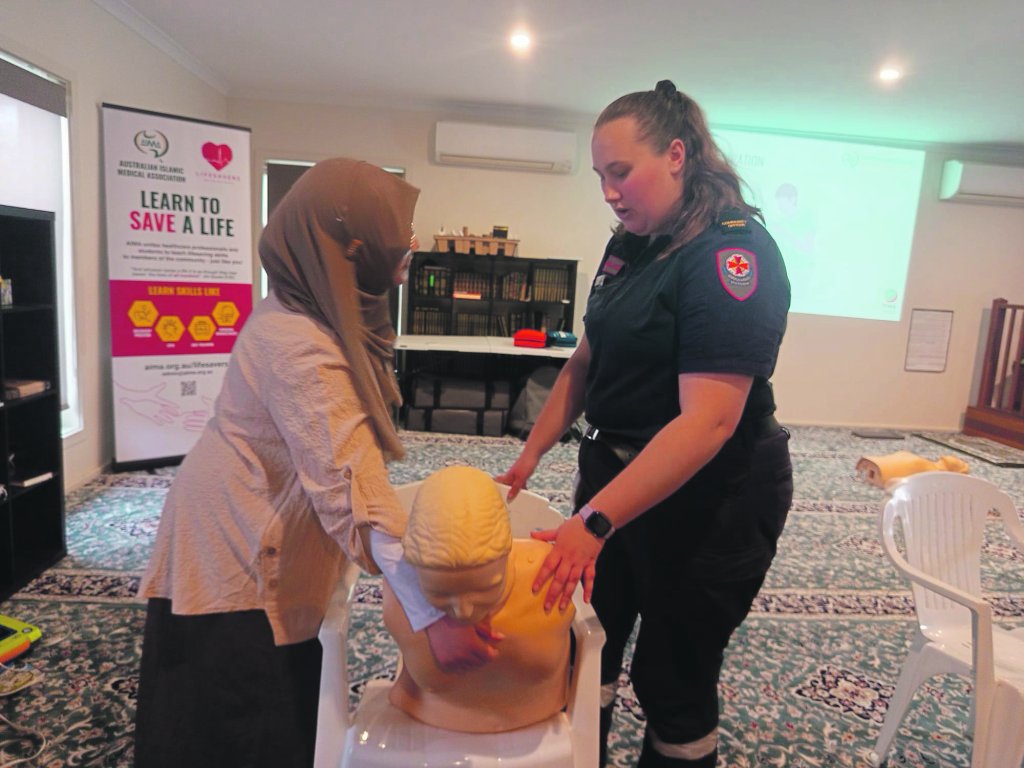
That is why AIMA believes CPR should be a skill everyone has, not just healthcare workers. Participants learned hands-only CPR, how to call for help, how to use a defibrillator and how to respond to choking. Sessions were open to men, women and children.
Dr Mustafa Majeed Omar, AIMA Lifesavers National Lead, said the program’s goal was for every family to walk away knowing they could act in an emergency. “That’s what it means to be an Everyday Hero,” he said.
All of Australia, one mission
From Mackay and Townsville in north Queensland to Launceston in Tasmania and Perth in Western Australia, Lifesavers reached every state and territory.
Sessions ran across metropolitan Sydney and Melbourne and in Brisbane, Adelaide, Canberra and Darwin. Regional communities including the Sunshine Coast, the Gold Coast, Newcastle, the Central Coast, Wagga Wagga, Shepparton and Ballarat also took part.
The sessions drew a diverse mix of men, women and children, all eager to learn and asking plenty of questions. Mosque communities also welcomed local councillors, non-Muslim healthcare workers and neighbours. This reflected the program’s commitment to serving the whole community.
Making a difference
This year, AIMA commenced a research project to measure the program’s impact on participants’ knowledge and confidence.
Before taking part, many participants had little confidence in their ability to perform CPR and limited knowledge of what to do in an emergency. After the session, they reported feeling far more confident about stepping in. They were also better able to recognise when CPR is needed and understood how to deliver effective chest compressions.
For AIMA, holding Lifesavers in mosques reflects a core Islamic teaching: “Whoever saves one life, it is as if they saved all of humanity” (Qur’an 5:32). Learning CPR is an act of sadaqah and of service to humanity. It is also a way of protecting the trust of life given by Allah.
AIMA thanks every mosque, Islamic centre, site lead, volunteer and participant who made Lifesavers 2026 possible.
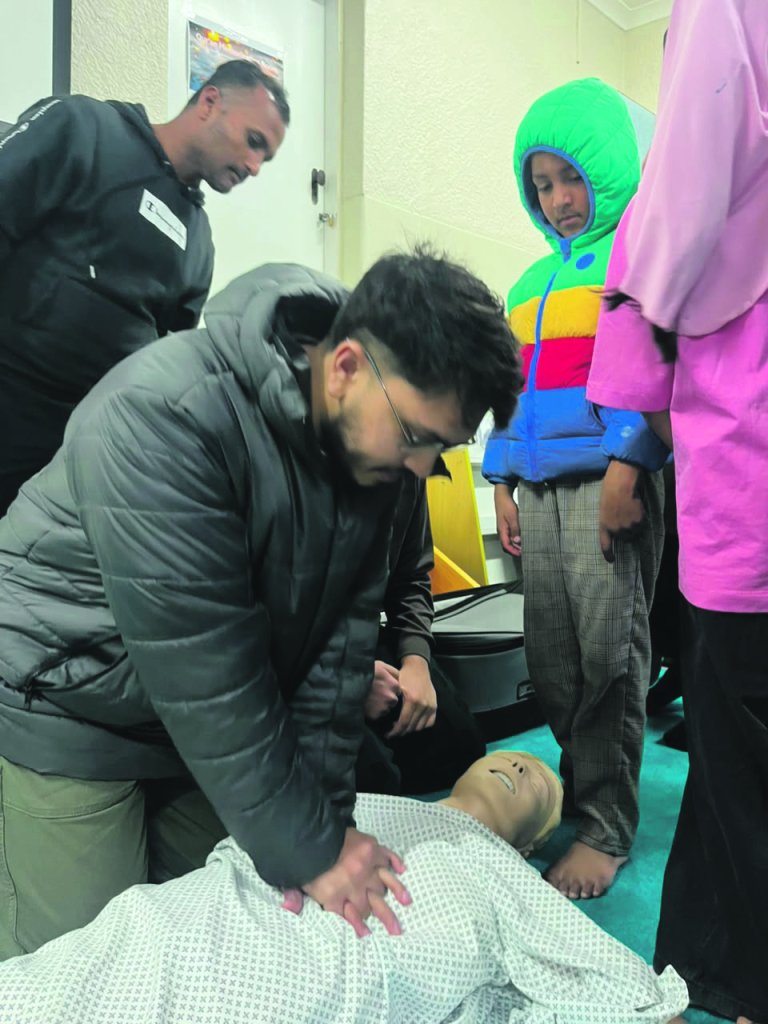
Launceston, TAS
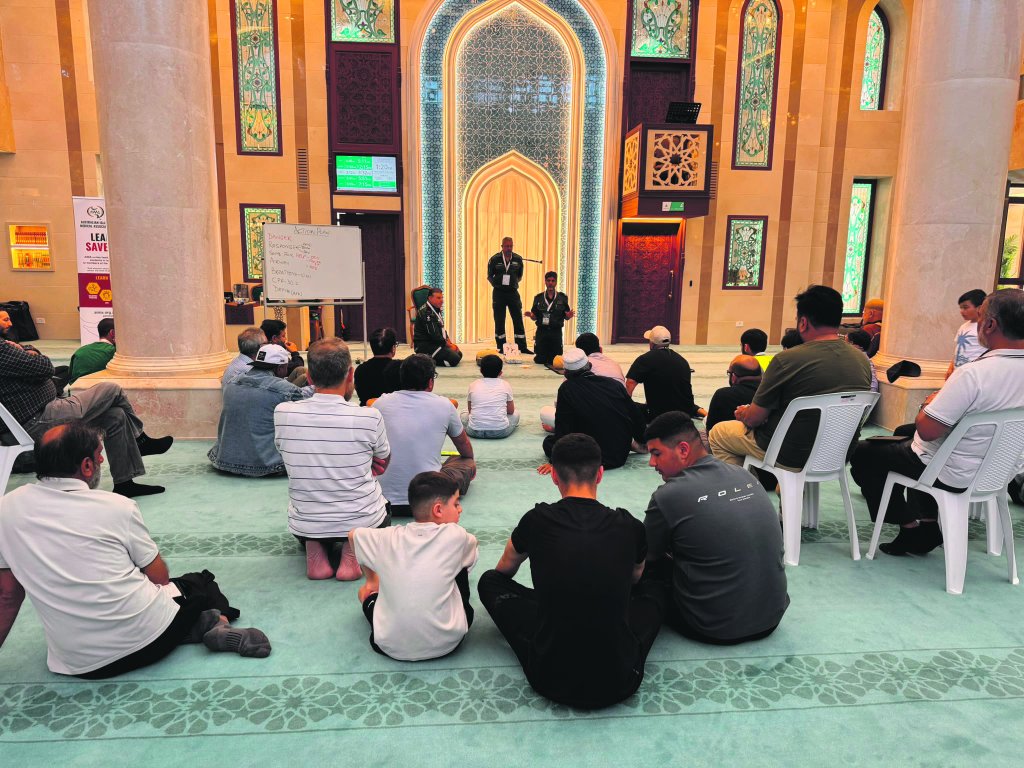
Sydney
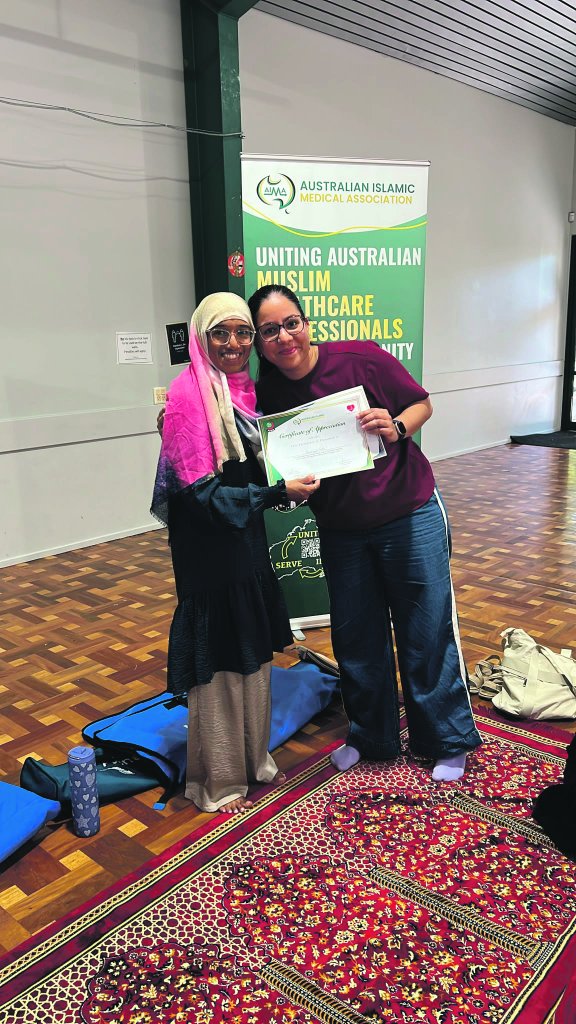
Sunshine Coast
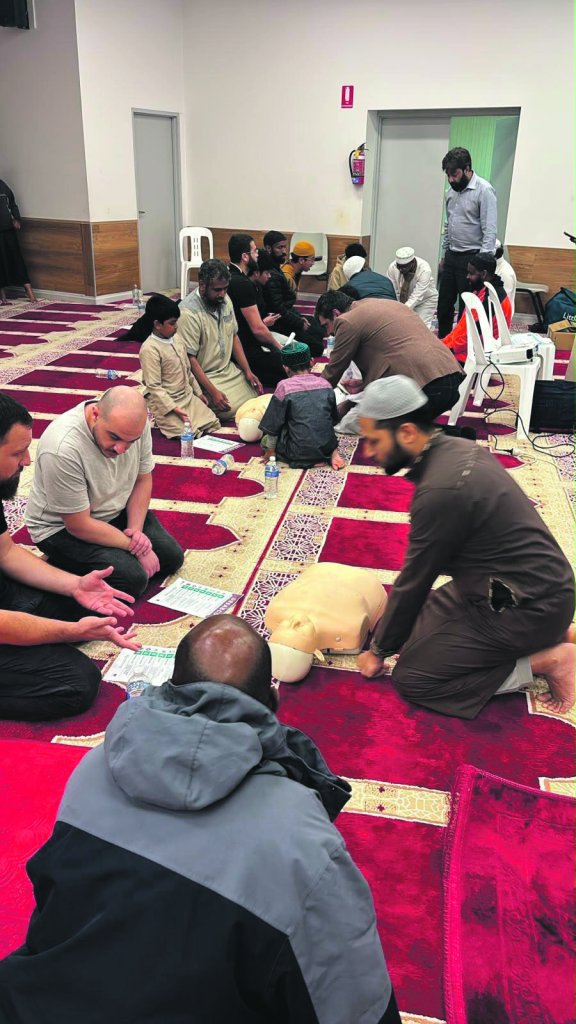
Perth
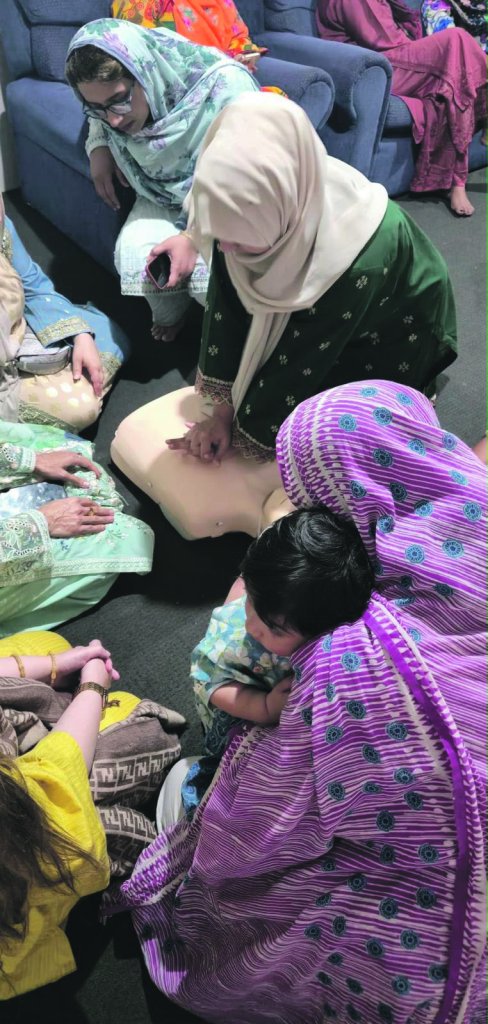
Mackay
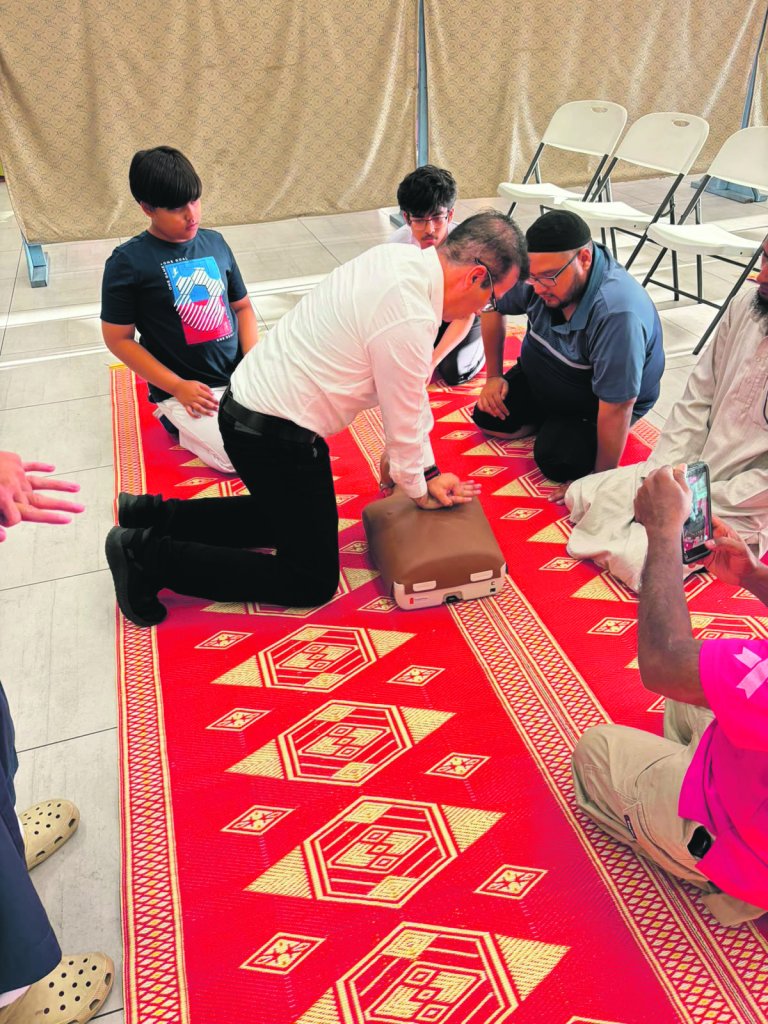
Darwin
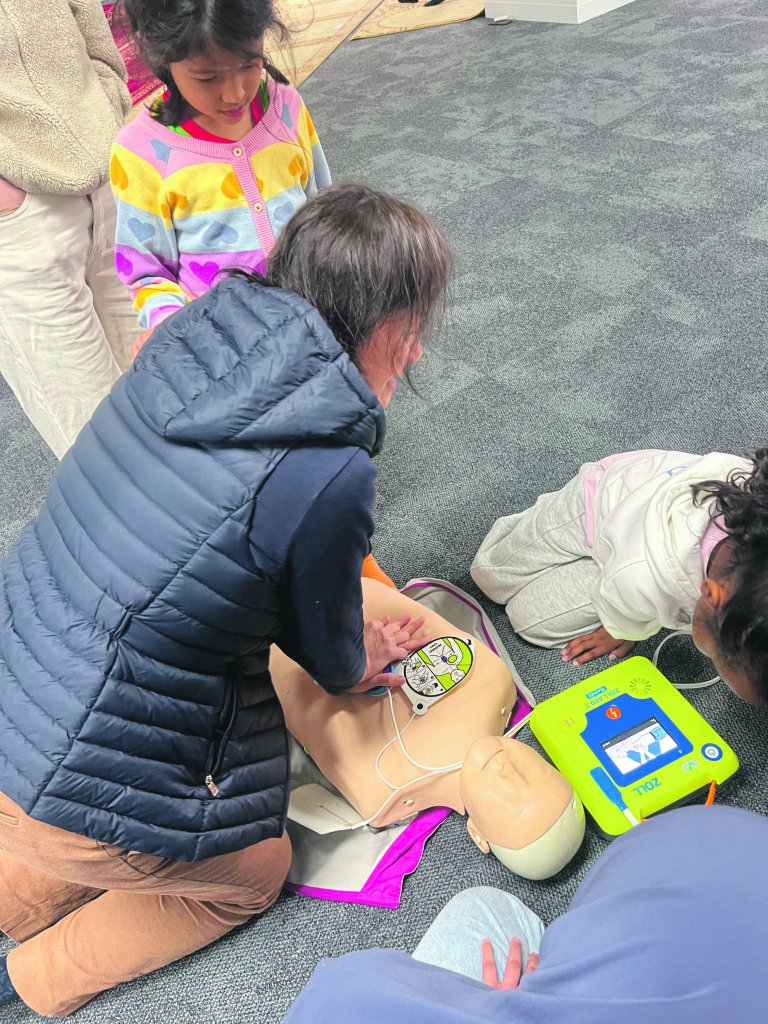
Canberra
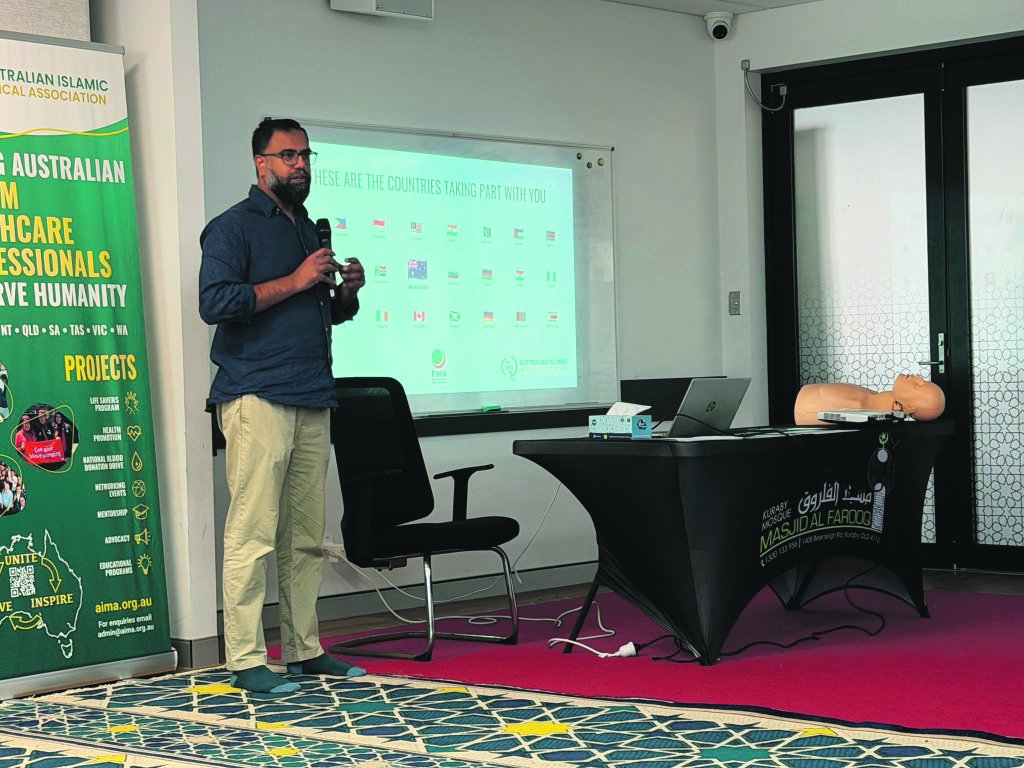
Brisbane
Ballarat, VIC




Comments