


This year marks the seventy-fifth anniversary of the Geneva Conventions, a significant milestone in international humanitarian law. For seven decades, they have shaped the way the international community addresses the horrors of warfare and safeguards basic human rights. With the rise of new forms of warfare and new conflicts, including the tragedy in Gaza, we must ensure they remain effective and relevant.
Following the atrocities of the Second World War, the international community recognised the need for a more comprehensive legal framework to protect human dignity during armed conflict. The four Geneva Conventions of 1949 addressed the protection of the wounded and sick in armed forces, prisoners of war and civilians. They have been ratified by nearly every country in the world, a testament to their universal acceptance and importance.
One of the most significant achievements of the Geneva Conventions is the establishment of Common Article 3, which extends the protections to civil wars and internal strife. Before its adoption, there was a reluctance to apply international law to internal conflicts, as they were seen as domestic issues. Article 3 recognises that the suffering of civilians and combatants in internal conflicts is no less severe.
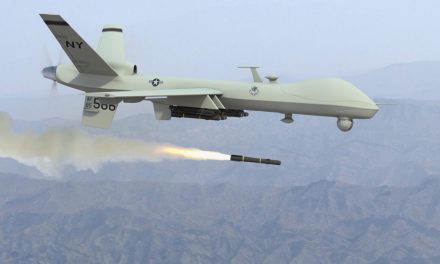
The Geneva Conventions have also laid the foundation for additional protocols and treaties, including the 1977 Additional Protocols, which further enhanced civilian protections and expanded the legal framework to address modern warfare. However, as the nature of warfare evolves—with the advent of cyberwarfare, autonomous weapons, and other technological advancements—so to must international humanitarian law.
The principles of the Geneva Conventions must be upheld and updated to ensure that they continue protecting those who suffer the most in modern conflicts. That includes clarifying the application of existing laws to new technologies and ensuring that all parties are held accountable for violations.
The Occupied Palestinian Territory has seen repeated breaches of international humanitarian law over many years. Ongoing illegal settlements, military operations in densely populated areas and the blockade affect the lives of millions and are potentially in breach of the Geneva Conventions. Breaches against Palestinian civilians have only escalated since the horrific attacks on Israel by Hamas on 7 October.
Just this month, an Israeli air strike on a school resulted in over 100 Palestinians killed, including many children. The school was sheltering displaced families at the time of the strike. Equally disturbing are the allegations of torture and sexual abuse of Palestinian detainees at Israeli military facilities. These acts have shocked the international community with the United States labelling them as “horrific”.
The protection of civilians, particularly children, the humane treatment of detainees and the provision of humanitarian aid are not negotiable. They are fundamental rights that must be upheld.
As we mark this important anniversary, we must redouble our efforts to ensure that all states adhere to international law and that the principles of the Geneva Conventions are respected in every single corner of the world.
This opinion piece is based on a speech delivered to NSW Parliament on 13 August 2024.





Comments