

I recently participated in this program between 11-15 July in Padang, West Sumatra hosted by Wanita Islam, the Peak Islamic Women’s organisation in Indonesia in conjunction with Regional Islamic Daw’ah Council of Southeast Asia and the Pacific (RISEAP).
The theme of the program was to empower Muslim women to lead sustainable change in their communities through enhancing Islamic Values on conservation and management of our natural environment that is deteriorating because of our inconsideration and abuse over a long period of time.
The training focussed on Islamic eco-consciousness and transformative conversations through women’s activities in sustainability efforts.
Islam has a rich tradition of highlighting the importance of environmental protection and conservation of natural resources. According to Islamic law, the basic elements of nature – land, water, fire, forest, and light – belong to all living things, not just human beings.
“And the earth, He has assigned it to all living creatures.” (Quran 55:10)
The privilege to use natural resources is given to the mankind on a guardianship basis, which implies the right to use another person’s property on the promise that it will not be damaged or destroyed.
The Holy Quran commands human beings to avoid doing mischief and wasting resources as these acts cause degradation of the environment.
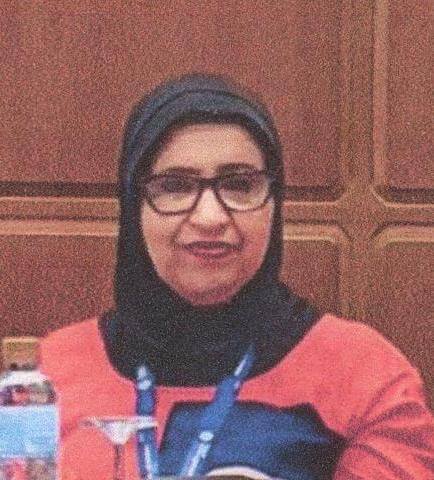
The keynote speaker – Deputy Minister of Economy of Malaysia and Chairperson of the Regional Dawah Council of Southeast Asia and the Pacific (RISEAP)- Dato Hajjah Hanifah Hajar Taib, emphatically told the participants from 12 member countries in the Southeast Asia region, the importance of eco sustainability in our world today.
In this regard, Dato Taib advised the role each one of us can play towards the 17 United Nations Sustainable Development Goals (UNSDG) which the Malaysian Government espouses, includes no poverty – no one is hungry, good health and wellbeing, clean water and sanitation, responsible consumption and production, sustainable cities and communities, care for life on land and below water, affordable clean energy, decent work and economic growth, reduced inequalities, peace, justice and strong institutions and climate action.
The UNSDG’s sustainability development goals are simplified as five Ps’ – People, Prosperity, Peac, Partnership, Planet are shown in the diagram below:





Comments