


On 26 July, the World Health Organisation (WHO) Director-General Tedros Adhanom Ghebreyesus announced plans to administer polio vaccines to children in Gaza in the coming weeks, to prevent an outbreak of the infectious disease.
This decision follows the discovery of the poliovirus in sewage samples in Khan Younis and Deir al-Balah. Although no cases of polio have been recorded, it is feared that without immediate action, the WHO says it is “just a matter of time before it reaches the thousands of children who have been left unprotected”.
Sanitation in Gaza
The enduring conflict has created dire sanitation conditions in the Gaza Strip. A recent report by the United Nations Relief and Works Agency for Palestine Refugees in the Near East (UNRWA) highlighted that approximately 70% of the population is consuming salinised and contaminated water, leading to a sharp rise in waterborne diseases.
For instance, late last year cases of diarrhea among children under five in Gaza surged dramatically from 48,000 to 71,000 in just one week, highlighting the rapid deterioration of child health in the region and the urgency for intervention.
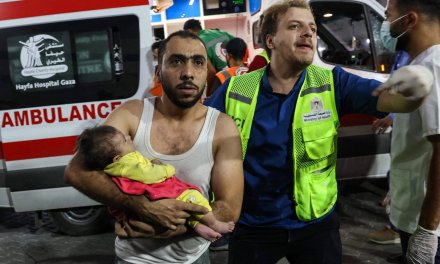
Nearly ten months of conflict and relentless Israeli bombardment have decimated the healthcare infrastructure in Gaza, disrupting routine vaccinations and leaving children vulnerable to preventable diseases like polio.
This comes as the Israel Defense Force announced that it would start offering polio vaccine to soldiers and reserves.
Global Efforts to Eradicate Polio
The potential outbreak of polio in Gaza threatens to undo significant international progress in combating the disease, especially as countries like Pakistan and Afghanistan continue to face endemic challenges.
Polio, or poliomyelitis, is a highly infectious disease that invades the nervous system, potentially causing severe muscle weakness or paralysis. It primarily spreads through the faecal-oral route, often via contaminated water or food.

Illustration: A woman attends a health clinic with a baby in the Gaza Strip. Source: UNRWA.
This disease is not to be underestimated. Polio can spread rapidly among populations, especially those without access to proper sanitation or clean water.
Even after recovering from polio, a person may still experience post-polio syndrome, a condition characterised by the gradual onset of muscle weakness similar to what they experienced during the initial infectious period.
The best defence against Polio is prevention through vaccination. Christian Lindmeier, a WHO spokesperson, emphasised that a ceasefire would be essential for facilitating safe access to medical supplies. Without it, vaccines may remain stalled at border checkpoints, as is currently the case with many aid relief trucks.
“Otherwise, the vaccines would be sitting as many other trucks are across the border, either on the Rafah side or at the other checkpoints either inside…or outside Gaza,” explained Mr Lindmeier.
The war has exacerbated the already dire situation of sewage and sanitation in Gaza, leading to a public health emergency. The international community needs to urgently address this crisis to prevent further suffering and disease outbreaks.
Injustice anywhere is a threat to justice everywhere
The overwhelming suffering endured by the people of Gaza daily for months on end is undoubtedly taking a profound toll on mental health. It serves as a stark reminder of the grave injustices present in our world.
Even the United Nations’ highest court has declared Israel’s occupation of the Gaza Strip and the West Bank, including East Jerusalem, as “unlawful,” yet this war persists unchecked.
In the well-known hadith (saying) of the Prophet Muhammad (s), he stated: “Whosoever of you sees an evil, let him change it with his hand [physically prevent the evil]; and if he is not able to do so, then [speak against it] with his tongue; and if he is not able to do so, then [detest it] with his heart — and that is the weakest of faith.’”
Indeed, Palestinians have an irrefutable right to life. Amidst incontrovertible evidence of war crimes, it is in every plea for peace, every unimpeded aid truck, every protest and every voice raised in advocacy that reminds us that Palestinians are still alive. So, let us continue to speak for a just world where safety, security and health are fundamental human rights, not privileges.




Comments